


CUPERTINO, Calif. — Apple is set to unveil its latest iPhone lineup on Wednesday, putting new chief executive John Ternus in the spotlight as he makes his first major public product presentation since succeeding Tim Cook.
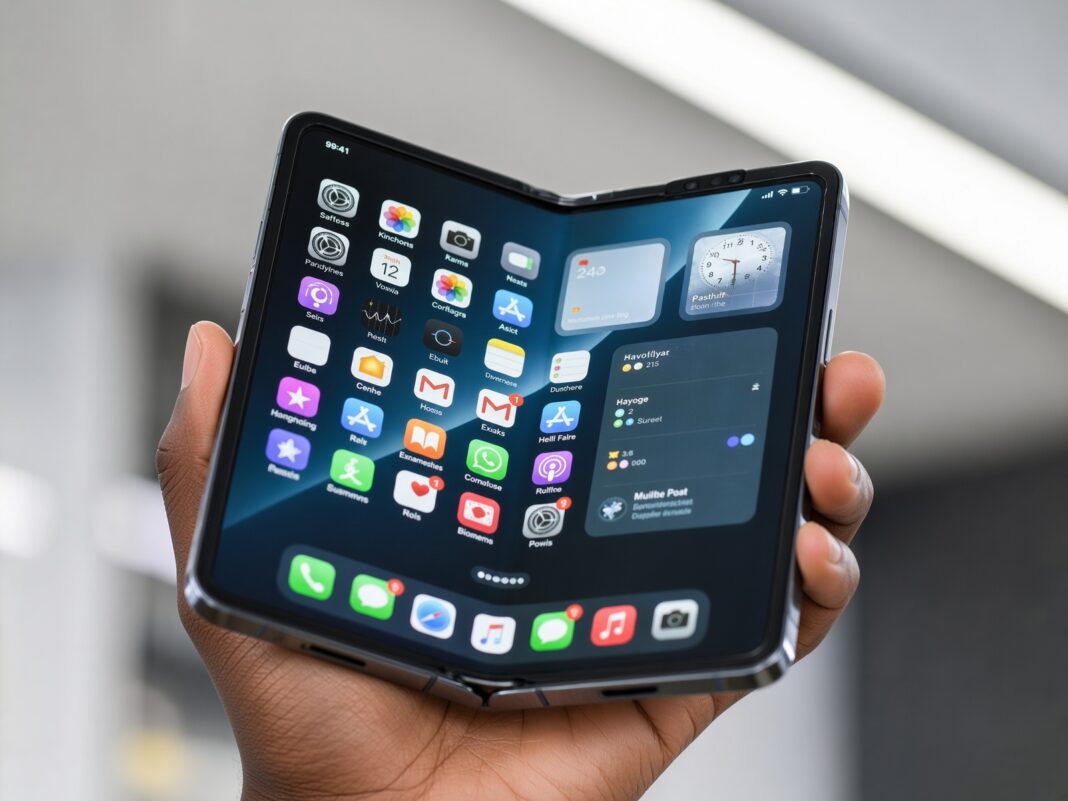
The event is expected to feature the iPhone 18, with Apple widely anticipated to introduce its first foldable smartphone as the company seeks to enter a market already occupied by rivals including Samsung, Motorola and Google.
Ternus took over as Apple’s CEO on September 1 after Cook’s 15-year tenure at the helm of the technology giant. His debut keynote will therefore carry significance beyond the products themselves, offering investors and consumers an early indication of how he intends to lead Apple into its next phase.
The Associated Press reported that Apple has taken its time entering the foldable-phone market, following its established approach of allowing emerging technologies to mature before attempting to redefine them.
Forrester analyst Dipanjan Chatterjee described the expected foldable launch as consistent with Apple’s strategy of waiting for a technology to mature before entering the market and attempting to shape the category. He cautioned, however, that foldable phones still represent only a small portion of the overall smartphone market.
The challenge for Apple will therefore be whether it can transform foldable devices from a niche premium product into a meaningful new category.
A critical first test for Ternus
The event will also provide an important early test of Ternus’ ability to maintain Apple’s extraordinary commercial momentum while preparing the company for a technology landscape that is changing rapidly.
Chatterjee told the AP that Ternus inherits one of the most successful consumer technology companies in modern history, but also faces the difficult task of sustaining the scale, execution and monetisation model established under Cook.
Apple’s longer-term challenge may extend beyond improving the iPhone itself.
The company must prepare for a future in which smartphones could eventually become less central to how consumers interact with technology, creating pressure to develop new computing platforms and products before existing markets mature.
That makes the foldable iPhone potentially significant not simply as another handset, but as an indication of Apple’s willingness to reshape one of its most important product categories.
Higher prices expected
Consumers could also face higher prices for the new iPhone generation.
The AP reported that the iPhone 18 is expected to cost more than previous generations, partly because of a global shortage of memory chips. The iPhone 17 lineup ranged from $799 to $1,999 depending on the model.
Higher component costs could put additional pressure on Apple’s pricing strategy, particularly as consumers remain sensitive to the cost of premium smartphones.
Apple will therefore have to balance higher production costs against the need to preserve demand for its flagship devices.
AI remains another major battleground
Beyond hardware, artificial intelligence will remain an important part of Apple’s competitive strategy.
The company has been expanding AI capabilities across its products, including upgrades to Siri, while emphasising privacy and practical applications.
Apple has faced increasing pressure from competitors as Google and other technology companies accelerate their deployment of generative AI and AI-powered consumer services.
The company’s challenge is to integrate AI into the Apple ecosystem without compromising the privacy-focused positioning that has differentiated it from some competitors.
The iPhone is likely to remain the principal platform through which Apple delivers those capabilities to hundreds of millions of users.
Apple enters the foldable market cautiously
Apple’s decision to enter the foldable market several years after competitors illustrates the company’s preference for refinement over being first.
Samsung, Motorola and Google have already established foldable products, giving Apple the opportunity to study consumer behaviour, hardware reliability and software design before committing to the category.
The strategy could allow Apple to enter the market with a more mature product rather than competing on novelty alone.
But it also means the company faces a different challenge from its competitors: convincing existing iPhone customers that a foldable device represents a sufficiently meaningful improvement to justify a premium price.
The iPhone remains Apple’s economic engine
The stakes remain high because the iPhone continues to sit at the centre of Apple’s hardware and services ecosystem.
Last year’s iPhone 17 lineup, which included the ultra-thin Air model, reportedly performed strongly, giving Apple a solid platform from which to launch the next generation.
The company must now persuade consumers to upgrade while simultaneously using the new generation of devices to strengthen its broader ecosystem of services, applications and AI products.
For Ternus, Wednesday’s presentation is therefore more than a conventional product launch.
It is his first opportunity to demonstrate that Apple can continue to innovate while preserving the operational discipline and commercial scale that made the Cook era so successful.
As Chatterjee told the AP, Ternus must sustain Apple’s momentum while positioning the company to eventually disrupt its own dependence on the smartphone as the primary gateway to consumer technology.
The iPhone 18 launch will offer the first significant glimpse of how he intends to do that.



