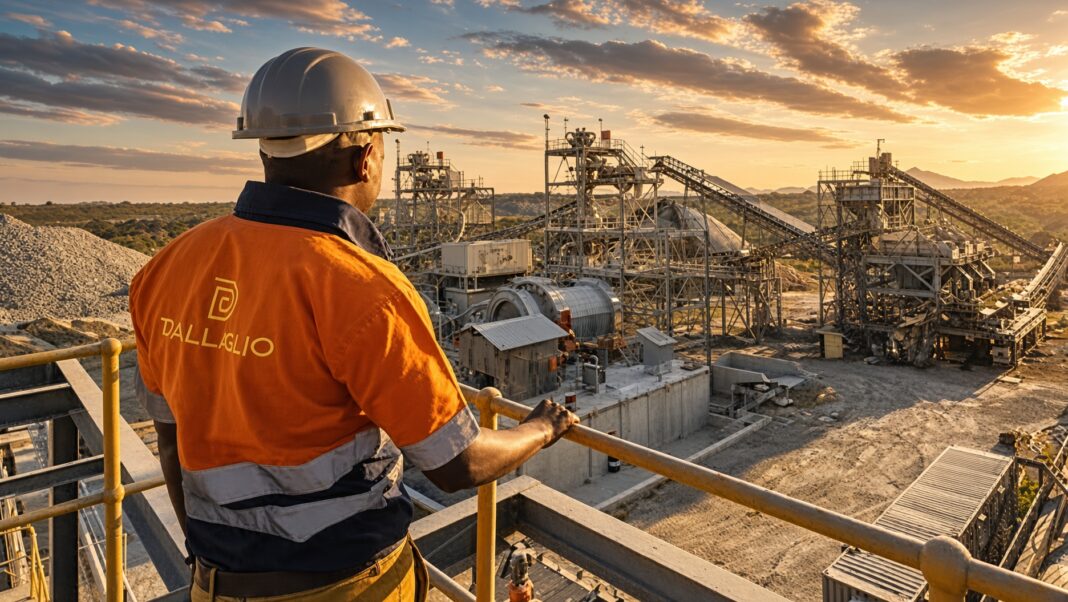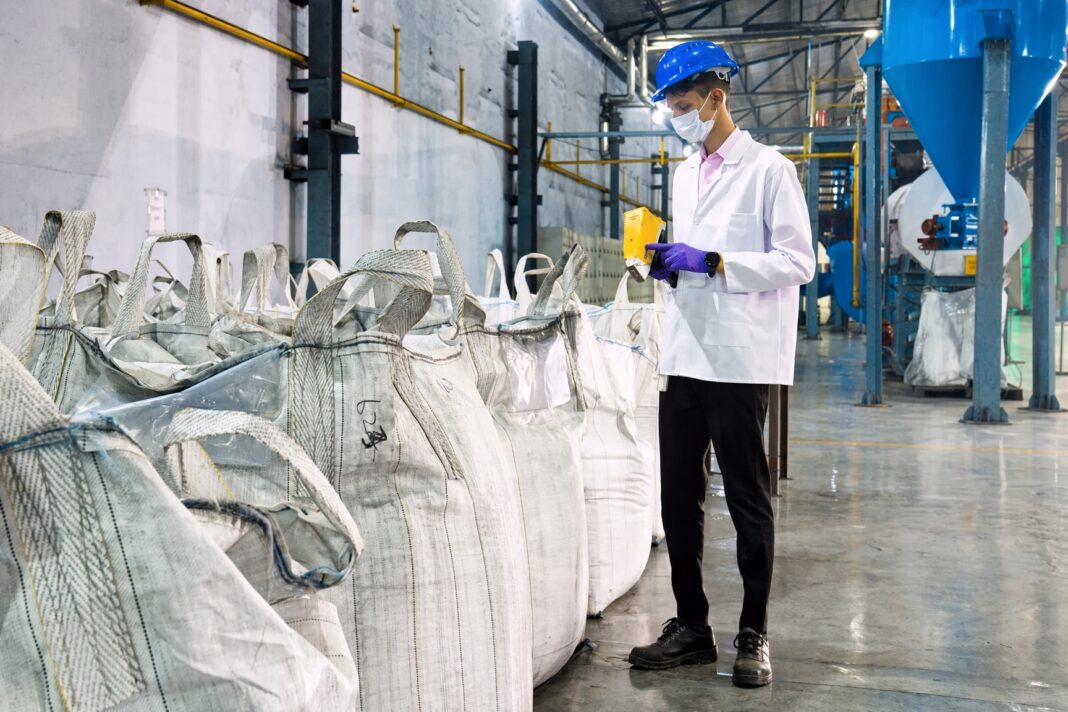
HARARE — India’s Lohum has begun commercial lithium mining operations in Zimbabwe’s Matabeleland South province, dispatching its first shipment of ore from a newly established portfolio that could become a significant source of battery minerals for India’s expanding electric-vehicle and energy-storage industries.
The first dispatch marks Lohum’s move upstream from lithium recycling, refining and advanced materials into primary mineral production. The company says it has secured rights to 10 spodumene-bearing mining blocks covering about 1,100 hectares, with estimated resources of 30 million to 40 million tonnes of ore.
Lohum estimates the initial assets could support approximately 300,000 tonnes of lithium carbonate equivalent (LCE) over their operating lives, while the company has an option to acquire as many as 90 additional adjacent blocks.
The development adds another international investor to Zimbabwe’s increasingly important lithium industry at a time when the country is attempting to move away from the export of minimally processed minerals and capture more value domestically.
An analyst who spoke to The Zimbabwe Financial Mail said the significance of the project goes beyond the first shipment.
“The first dispatch is important because it moves the project from an exploration and investment story into an operating one. For Zimbabwe, however, the bigger test will be whether Lohum develops processing capacity locally and creates a meaningful domestic value chain rather than simply becoming another exporter of mineral feedstock.”
India secures upstream lithium supply
Lohum’s investment reflects the increasingly strategic nature of lithium for India, where manufacturers are seeking more secure supplies of minerals required for batteries, electric vehicles and energy-storage systems.
The company has said securing lithium at source should help reduce supply-chain costs and strengthen India’s battery and electric-vehicle ecosystem. Its Zimbabwe operation also complements existing activities in refining, advanced manufacturing and battery recycling.
The move therefore gives Lohum greater control over the upstream end of its supply chain while providing Zimbabwe with another potential long-term investor in its critical-minerals sector.
Lohum is targeting annual production of around 30,000 tonnes of lithium carbonate within two to three years, according to comments by chief executive Rajat Verma reported by Business Standard.
For Zimbabwe, that ambition matters because the economic value of lithium increasingly lies beyond simply extracting spodumene-bearing rock.
A second analyst told The Zimbabwe Financial Mail: “Zimbabwe has the geological resource, but the strategic question is what percentage of the eventual battery-material value is captured inside the country. Mining, concentration, chemical conversion and eventually battery-material manufacturing generate very different economic multipliers.”
Beneficiation becomes central to the project
Lohum says it intends to establish processing capabilities in Zimbabwe rather than rely permanently on exporting raw ore.
That approach fits Zimbabwe’s broader mineral-beneficiation policy, which has sought to encourage mining companies to process minerals domestically before export. The country has already developed a lithium-processing industry around spodumene and petalite resources, while policy has increasingly focused on moving further up the value chain.
The company is expected initially to make use of existing processing infrastructure close to its mining assets while developing its own concentration capacity in Zimbabwe.
The distinction is economically important.
An unprocessed tonne of ore creates relatively limited domestic value through employment, taxation, transport and associated services. Concentration and chemical conversion introduce additional industrial activity, technical employment, power demand, logistics and supplier opportunities.
For Zimbabwe’s economy, the objective is therefore not merely to increase tonnes mined but to increase value retained per tonne.
“Local processing is where the Zimbabwean economic proposition becomes much more interesting,” another analyst said. “If Lohum establishes concentration and progressively moves towards chemical processing, the project can contribute to industrialisation rather than simply adding another mineral export stream.”
A potential US$7 billion resource — but investors should remain cautious
Lohum has estimated the in-situ value of the initial deposits at approximately US$7 billion at prevailing lithium prices. However, that figure should not be confused with the project’s valuation, expected revenue or potential profit.
Lithium prices, recovery rates, mining costs, processing yields, infrastructure expenditure and the eventual scale of production will determine the project’s commercial economics.
The distinction is particularly relevant because global lithium markets have experienced substantial price volatility as battery demand has expanded alongside new supply.
The reported 300,000 tonnes of LCE is likewise a lifetime production estimate rather than an annual output figure. Lohum’s separate 30,000-tonne annual target represents a proposed future production rate.
Zimbabwe’s lithium economy enters a more mature phase
Lohum’s entry comes after Zimbabwe attracted several major investments into lithium mining and processing, including operations involving Sinomine, Huayou and other international investors.
Government data have previously identified Bikita Minerals, Sabi Star, Prospect Lithium Zimbabwe, Zulu Lithium, Sandawana and Kamativi among lithium-producing operations, with several companies establishing processing plants to produce concentrates.
The sector has consequently moved beyond the early exploration phase.
The next challenge is whether Zimbabwe can convert its geological advantage into a broader industrial ecosystem involving mining equipment, engineering services, chemicals, power infrastructure, logistics, mineral processing and eventually battery-material production.
That is particularly important for an economy seeking to expand formal foreign-currency earnings while reducing dependence on raw commodity exports.
Lithium and gold are increasingly providing Zimbabwe with an opportunity to deepen the country’s mining-led export base. But the economic benefit will depend on how much of the value chain remains inside Zimbabwe.
Option for 90 additional blocks could materially expand footprint
Lohum’s option over up to 90 additional mining blocks provides another potentially significant dimension to the project.
If exercised, the additional acreage could substantially increase the company’s resource footprint and create economies of scale around mining and processing infrastructure.
For Zimbabwe, a larger operation could mean greater demand for local contractors, transport companies, engineering services, electricity and other inputs.
But the investment case will ultimately depend on conversion of the option into developed resources and, more importantly, production.
“Zimbabwe should welcome the capital, technology and market access, but it should also be disciplined about measuring the investment against actual production, processing capacity, employment, taxes and export receipts,” the first analyst said.
“That is how the country can distinguish genuine industrial investment from a simple mineral-rights accumulation strategy.”
From lithium ore to battery materials
Lohum’s business model potentially gives the Zimbabwe project a strategic advantage because the company already operates across parts of the downstream critical-minerals value chain.
Its Zimbabwe investment therefore forms part of a broader strategy connecting primary mineral production with refining, advanced materials and battery recycling.
That integrated approach is increasingly important as countries compete to secure critical-mineral supply chains outside traditional production and refining centres.
For Zimbabwe, the opportunity is to position itself not simply as a supplier of spodumene but as part of a wider battery-materials ecosystem.
The first shipment is therefore modest in physical terms but significant in strategic terms.
Lohum has moved from holding Zimbabwean mineral rights to actually moving ore, while its plans for local processing could provide the next test of whether the investment contributes to Zimbabwe’s industrialisation ambitions.
The commercial question for Zimbabwe is no longer whether lithium can be mined. It is whether the country can capture progressively more of the economic value created after the rock leaves the ground.