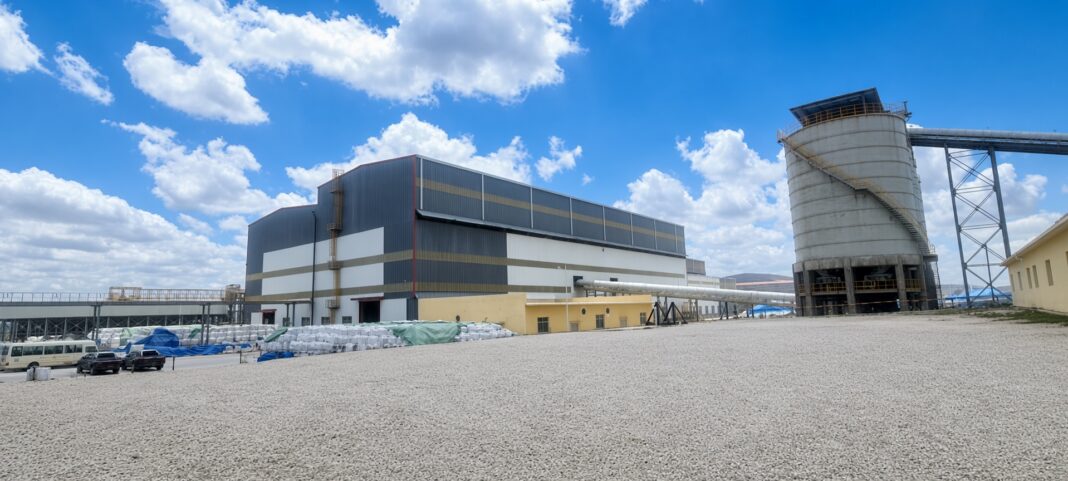
HARARE – Bikita Minerals has asked the Zimbabwean government to extend the January 1, 2027, deadline for local lithium beneficiation, warning that its planned US$400 million lithium sulphate processing plant will not be ready for commissioning until July next year.
The appeal highlights the challenges facing Zimbabwe’s drive to increase domestic mineral processing as mining companies navigate volatile commodity prices, rising investment costs and a changing export regime.
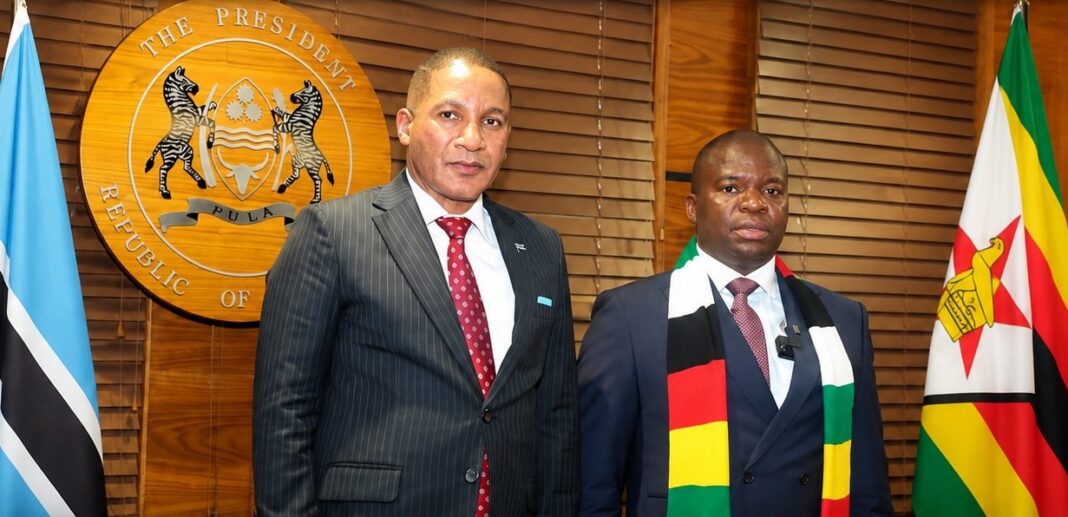
Bikita Minerals assistant general manager Thomas Mupfumi said the company was making progress on construction but would require additional time to complete the facility. He was speaking during a media tour of the mine on Thursday, organised by the Minerals Marketing Corporation of Zimbabwe and the Zimbabwe Environmental Law Organisation.
“We need government support. The challenges we have been facing is that the lithium industry has not reached the stage of maturity where we have sustainable market projections, consistent pricing and consistent demand,” Mupfumi said.
Sources who spoke to The Zimbabwe Financial Mail said the timing of beneficiation requirements is becoming an important consideration for capital-intensive mining projects, where construction schedules, international equipment procurement and commodity-price cycles can affect investment decisions. The implications for individual producers, however, depend on the specific requirements imposed by the government.
Bikita, owned by China’s Sinomine Resource Group, is seeking both an extension to the processing deadline and a review of its tax obligations, including royalties and export-related taxes. The company argues that the current fiscal burden needs to be assessed against the lithium industry’s price volatility and the substantial capital required to establish local processing capacity.
“In all earnest, we implore the government to give us an opportunity to complete the plant as per plan,” Mupfumi said, adding that construction was progressing alongside procurement, logistics and final design work.
US$900 million investment programme
The proposed lithium sulphate facility forms part of a wider investment programme through which Sinomine expects total investment in Bikita to reach approximately US$900 million by the end of 2027.
The programme includes additional mineral-processing infrastructure and power-generation projects intended to strengthen the mine’s operational capacity and increase the proportion of value captured within Zimbabwe.
Sinomine acquired Bikita Minerals in 2022 for a reported US$180 million. Since then, the company has expanded its processing operations and increased investment in lithium beneficiation, as Zimbabwe seeks to establish a more substantial role in the global battery-material supply chain.
Bikita said Sinomine had invested more than US$320 million in lithium beneficiation, alongside expenditure on facilities processing caesium-bearing minerals and tantalite.
The company’s expansion has also transformed its employment footprint. Its direct workforce has grown from approximately 300 employees before the latest investment programme to around 1,400, with contractors taking the number of people supported by its operations to more than 2,000.
Bikita reported that its measured lithium-bearing mineral resources had increased from approximately 29 million tonnes when Sinomine acquired the operation to more than 218 million tonnes by 2023, supporting a projected mine life exceeding 15 years.
Lithium prices complicate investment planning
Mupfumi said fluctuations in lithium prices and demand made it difficult for producers to plan expenditure and maintain predictable cash flows, particularly when substantial investment commitments coincide with uncertain market conditions.
“You realise that sometimes the prices are high and sometimes low,” he said.
Bikita reported tax contributions of approximately US$80 million in the current quarter, according to its presentation, attributing part of the performance to improved prices during 2026. The company said its contribution to government revenue had fluctuated with market prices and production levels.
Mupfumi said a review of the fiscal framework could help release working capital for continuing operations and planned investment.
“The investment is there, and the investment is real,” he said, reiterating the company’s call for engagement with the government over existing tax obligations.
The appeal presents policymakers with a balancing act: maintaining pressure on mining companies to invest in local processing while ensuring that fiscal and export policies accommodate the long lead times associated with major industrial projects.
For Zimbabwe, the central policy question is how to secure domestic value addition without undermining the investment needed to build processing capacity. For producers, the challenge is to finance that transition while remaining commercially viable through commodity-price cycles.
Zimbabwe pushes for local mineral beneficiation
Zimbabwe has been encouraging lithium miners to process more of their output domestically rather than rely predominantly on exports of unprocessed concentrates. Restrictions on exports of lithium concentrates and the January 2027 beneficiation deadline form part of that broader policy direction.
Bikita currently exports spodumene, which is used principally in battery supply chains, and petalite, which serves glass and ceramics manufacturers. Its planned lithium sulphate facility is expected to expand local processing into an intermediate product used in the lithium chemicals supply chain.
The company has also raised concerns about stocks of mined material accumulating because of limited storage capacity following the introduction of export quotas. Mupfumi said some of this material was losing value while awaiting further processing or export.
Beyond lithium processing, Bikita is developing additional mineral-processing capacity and a 50-megawatt power station, while investing in a 20-megawatt solar plant to support its operations.
Lithium has become a major contributor to Zimbabwe’s mineral export earnings, with Bikita’s presentation putting its share at 45% of revenues and describing it as having overtaken platinum group metals. The figure reflects the company’s presentation and should be assessed against the relevant export-revenue period and classification.
The government’s response to Bikita’s request could provide an indication of how authorities intend to manage the transition from mineral-concentrate exports towards more advanced domestic processing.
An extension would give the company additional time to complete its investment, while maintaining the deadline would reinforce the government’s push for faster beneficiation. Any change to the timetable or fiscal regime would need to be confirmed by the relevant authorities.