

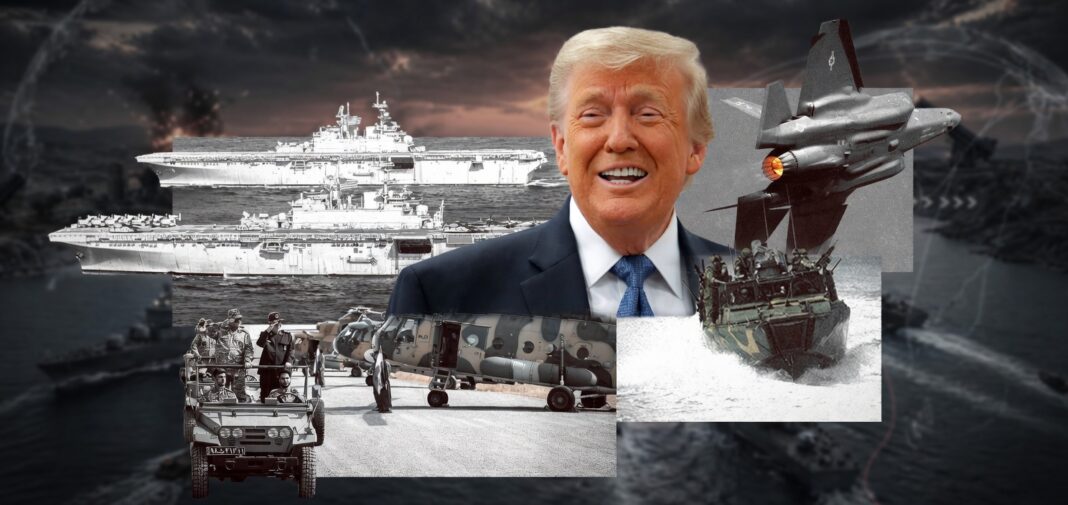
WASHINGTON — The United States administration is exploring the possibility of declaring a unilateral end to its conflict with Iran, as officials assess both the geopolitical and domestic political consequences of such a move, according to a report by Reuters.
Citing multiple sources familiar with internal deliberations, the report states that the US intelligence community has been tasked by the White House with analysing how Iran might respond if President Donald Trump were to declare a unilateral victory and effectively bring the conflict to a close.
The assessment is part of broader efforts to evaluate the implications of a potential de-escalation, particularly as the administration faces mounting political pressure ahead of the upcoming US midterm elections scheduled for November.
Political Calculations at Play
According to the report, concerns are growing within the administration that the ongoing conflict could weigh heavily on the ruling Republican Party’s electoral prospects. Rising fuel prices and public dissatisfaction with the military campaign have contributed to declining support, prompting some officials and advisers to consider a strategic withdrawal.
A senior White House official described the domestic pressure on the president to end the war as “enormous,” underscoring the political stakes involved.
No Final Decision
Despite these discussions, no formal decision has been made. Sources indicate that the administration continues to weigh multiple options, including the possibility of intensifying military operations against Iran. However, a swift de-escalation could ease political strain on the president, even as analysts warn it may embolden Tehran by allowing it time to rebuild its military capabilities, including nuclear and missile programmes.
Military Options Narrowing
The report notes that while Washington still maintains a range of military options — including targeted strikes on Iranian leadership and command structures — more expansive strategies, such as a ground invasion, are now considered less likely than in previous weeks.
This shift reflects both strategic recalibration and changing conditions on the ground. During the current ceasefire, Iran is believed to have recovered significant military assets, including drones and missile launchers, from previously targeted sites. As a result, the cost and risk of resuming large-scale military operations are now assessed to be higher than at the outset of the truce, which began on April 8.
Limited Official Comment
The Central Intelligence Agency declined to comment directly on the reported assessments. A spokesperson indicated the agency was not familiar with the specific analysis cited. Meanwhile, the Office of the Director of National Intelligence, led by Tulsi Gabbard, also declined to comment on the matter.
Strategic Crossroads
The deliberations highlight a critical juncture for US foreign policy, balancing military objectives in the Middle East with domestic political realities. Whether the administration opts for escalation or a declared end to hostilities is likely to shape both regional stability and the political landscape in Washington in the months ahead.