


COTONOU – French and Nigerian fighter jets have launched strikes on targets in Benin linked to the military officers behind Sunday’s attempted coup, as President Patrice Talon condemned the failed mutiny and vowed that the fleeing plotters would be brought to justice.
The intervention, according to regional security officials, was aimed at preventing the removal of Talon and blocking the coup faction from consolidating control after a group of soldiers briefly appeared on state television announcing the dissolution of the government. The self-styled Military Committee for Refoundation claimed to have seized power in what would have been the latest in a wave of coups across West Africa.
The attempted power grab was short-lived. Interior Minister Alassane Seidou later declared the coup “foiled,” while Talon broke his silence in a televised address on Sunday evening.
“I would also like to express my condolences to the victims of this senseless adventure, as well as to those still held by the fleeing mutineers,” Talon said. “We will do everything in our power to ensure they are found safe and sound.”
The president did not provide casualty figures or the number of hostages, but local media reported that 13 soldiers had been arrested. It remains unclear whether the alleged coup leader, Lt. Col. Pascal Tigri, is among them. Gunfire echoed across parts of Cotonou early in the day, with soldiers patrolling key sites before normalcy gradually returned.
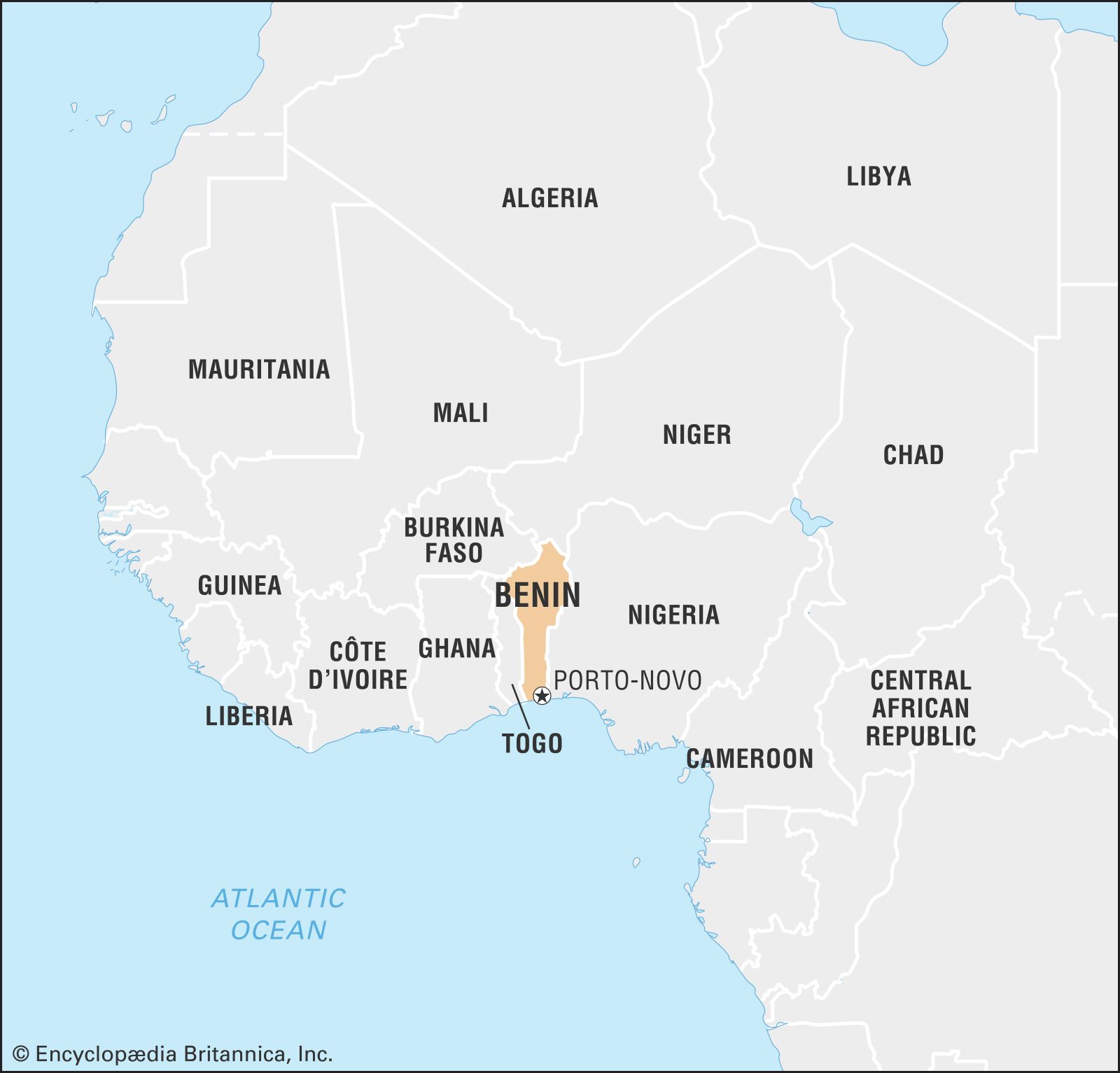
According to Seidou, the mutiny began at dawn on Sunday when “a small group of soldiers launched a plot to destabilise the state and its institutions” but were quickly confronted by loyal elements of the armed forces who “remained committed to the republic.”
The Economic Community of West African States (ECOWAS) announced that it had ordered the deployment of a regional military force—comprising personnel from Nigeria, Sierra Leone, Ivory Coast, and Ghana—to support Benin in safeguarding constitutional order and protecting its territory. The regional bloc described the attempted coup as “a subversion of the will of the people of Benin.”
The coup attempt has unsettled a nation long regarded as one of West Africa’s more stable democracies. After decades of upheaval following independence from France in 1960, Benin has enjoyed relative political stability since 1991. However, tensions have risen in recent years ahead of President Talon’s scheduled departure in April 2026.
Talon’s preferred successor, former Finance Minister Romuald Wadagni, is widely seen as the frontrunner in next year’s election. Opposition candidate Renaud Agbodjo has already been barred from contesting after failing to secure the required number of political sponsors. In addition, two of Talon’s associates were sentenced to 20 years in prison in January for an alleged 2024 plot to overthrow the government.
Last month, Benin’s parliament extended the presidential term from five to seven years, while maintaining the two-term limit—a move that critics say strengthens the ruling party ahead of the coming polls.
Sunday’s failed coup follows yet another series of military takeovers across the region, most recently in Guinea-Bissau, where former President Umaro Embaló was deposed after a disputed election.
With the signal to state television and public radio restored and security forces back in control, Benin now faces the challenge of pursuing the mutineers while reassuring citizens and international partners that the democratic order remains intact.

