HARARE, Nov 23, 2026 (The Zimbabwe Mail) – Zimbabwe’s lithium sulphate production is forecast to reach 208,000 metric tons in 2027 as new domestic processing facilities come online, though mining operators are lobbying authorities to postpone a planned January 2027 ban on lithium concentrate exports, according to an industry report cited by Mining Weekly.
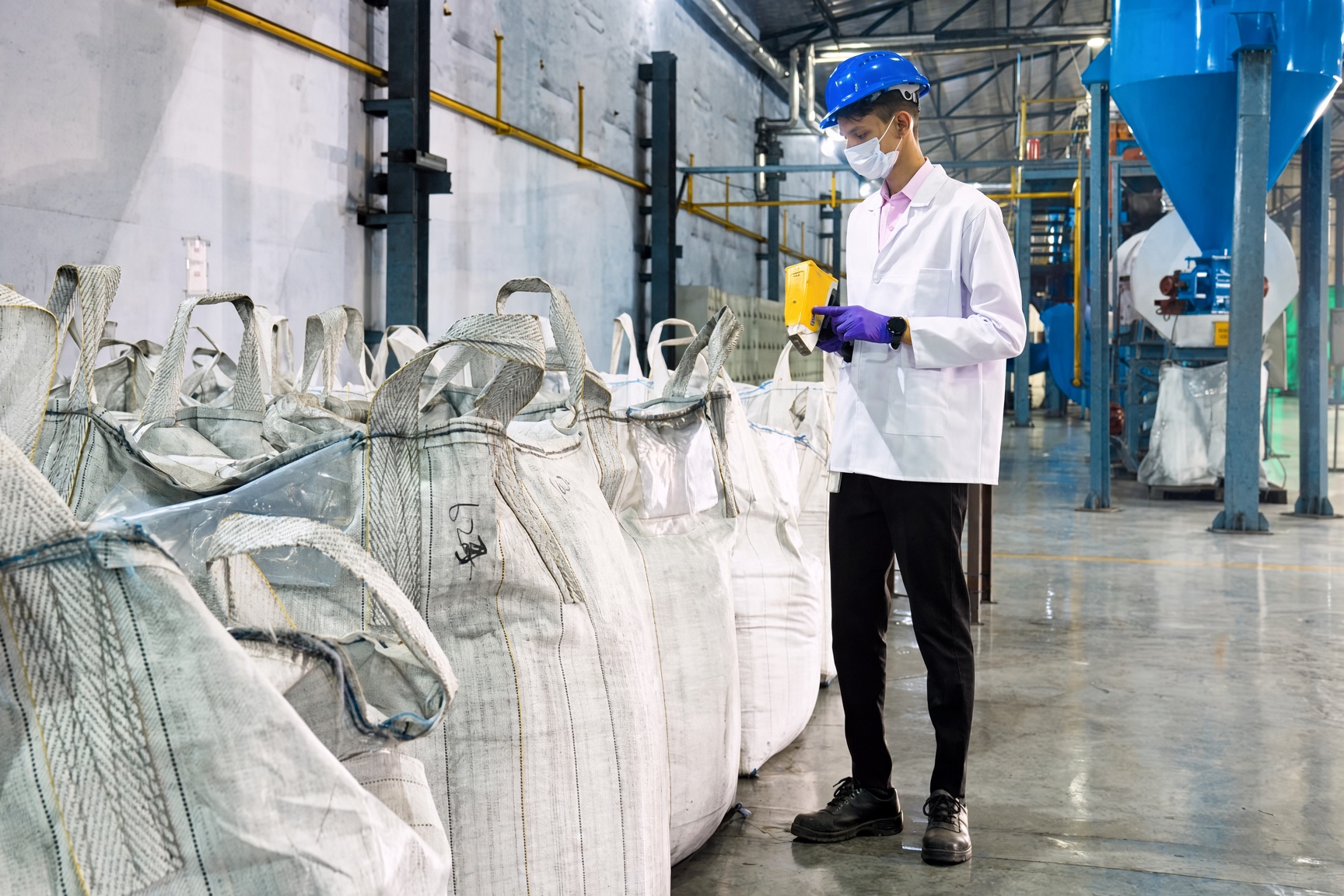
Africa’s largest producer of the battery metal commenced lithium sulphate shipments in April 2026 after the local subsidiary of China’s Zhejiang Huayou Cobalt commissioned Zimbabwe’s first lithium salt processing plant. Between April and September, the country exported 33,807 metric tons of lithium sulphate—an intermediate chemical precursor refined into battery-grade lithium hydroxide and lithium carbonate.
Processing Expansion and Export Bottlenecks
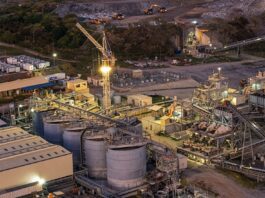
To capture greater domestic value across the electric-vehicle supply chain, Harare scheduled a full prohibition on raw lithium concentrate exports to take effect in January 2027. Major Chinese producers operating in Zimbabwe, including Sinomine Resource Group and Sichuan Yahua Industrial Group, are currently constructing dedicated lithium sulphate conversion plants at their local mining operations ahead of the cutoff.
However, a survey commissioned by the Chamber of Mines of Zimbabwe indicates that producers are urging the government to push the export restriction back by six months to July 2027 so companies can complete plant construction and commissioning without disrupting cash flows, Mining Weekly reported.
Stockpile Risks Threaten Producers
According to the Chamber of Mines data, national lithium concentrate output is projected to climb to 2.3 million metric tons in 2027, up from an estimated 2.2 million metric tons in 2026.
Industry analysts warn that enforcing the concentrate export ban in January, before secondary processing capacity is fully operational, would leave miners holding an estimated 1.4 million metric tons of stranded concentrate stockpiles by the end of 2027—tying up working capital and straining export receipts in one of Zimbabwe’s primary foreign currency-earning sectors.