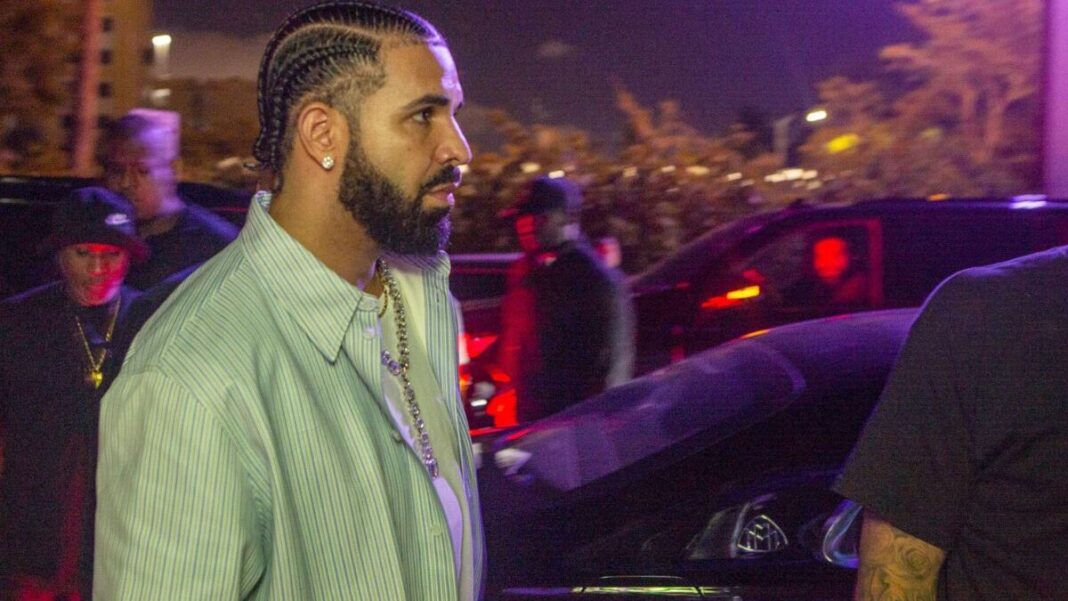
LOS ANGELES — Drake has questioned the credibility of music chart calculations after Billboard moved to give greater weight to free, advertising-supported streams, paving the way for YouTube to return to its US rankings in 2027.
The Canadian rapper, according to Allhiphop.com reacted on Instagram on November 11, sharing a screenshot of reports about the agreement and writing: “Wtf this game so cooked 😳”.
Drake did not explain what specifically prompted the criticism, leaving open whether his frustration was directed at Billboard’s revised streaming formula, YouTube’s return or the wider instability of chart rules. His post has nevertheless reignited debate over how the music industry measures popularity in an era when audiences consume music across multiple platforms.
The dispute centres on the relationship between paid subscriptions and free streaming. Under Billboard’s revised album-equivalent methodology, 1,000 paid on-demand streams will count as one album unit, while 1,500 advertising-supported streams will carry the same weight. Previously, 2,500 ad-supported streams were required to generate one album unit.
The adjustment significantly increases the chart value of free listening, although paid streams will continue to receive greater weight. Traditional album and track sales remain part of the calculations.
Why the YouTube agreement matters
YouTube stopped supplying streaming data to Billboard after January 16, 2026, arguing that the previous methodology undervalued the millions of listeners using its free, advertising-supported service.
The disagreement exposed a fundamental tension in the recorded music business: whether chart rankings should primarily reflect audience engagement or account more heavily for the commercial value generated by different types of listening.
For streaming companies, subscription plays and advertising-supported plays do not generate identical revenue. Billboard’s weighting system has historically reflected that distinction, while YouTube argued that its large free audience was being underrepresented in the rankings.
The revised formula has now brought the two sides closer. YouTube’s global head of music, Lyor Cohen, confirmed on November 9 that the platform would resume contributing data to Billboard’s US charts from 2027, saying the new methodology better reflected how fans engage with music across subscription and advertising-supported services.
The first Billboard 200 chart to incorporate the returning data is scheduled for January 16, 2027, following the first tracking week of the year.
The change could have consequences beyond individual chart positions. YouTube is a major destination for music videos, live performances and fan-driven discovery, meaning its reinstatement gives Billboard a broader measure of listening activity that had been missing from its calculations.
Artists with substantial audiences on free platforms could benefit from the increased weighting, although the precise impact will depend on their listening patterns across services. Hip-hop and Latin music have been identified by industry observers as genres that could gain greater representation because of their strong audiences on ad-supported platforms.
Drake has previously expressed frustration with chart rules. In July 2025, after his single What Did I Miss? debuted at No. 2 on the Billboard Hot 100, he posted a message referring to “rule changes” and his determination to reach the top position.
His latest reaction comes as chart rankings increasingly influence the commercial narrative surrounding artists, affecting public perceptions of success, industry recognition and promotional campaigns.
The wider issue is whether a chart system can remain credible when the platforms used to measure music consumption, and the commercial models behind them, are changing so rapidly. Billboard’s revised formula restores YouTube to the measurement system, but Drake’s response suggests that questions over the legitimacy and consistency of chart rankings remain far from settled.