

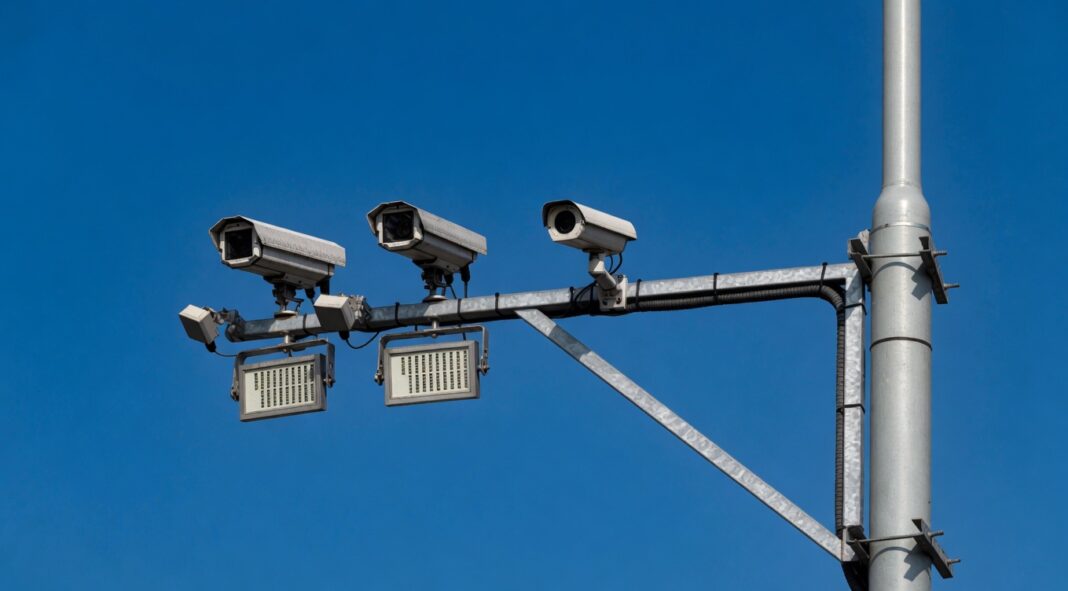
HARARE – Zimbabwe is in the final stages of installing artificial intelligence-powered traffic cameras at 20 major intersections in Harare as authorities intensify efforts to modernise road traffic management and reduce the growing number of accidents on the country’s roads.
The Smart Traffic Management System, being spearheaded by the Zimbabwe Republic Police, is expected to usher in a new era of technology-driven law enforcement through real-time surveillance, automated traffic monitoring and digital evidence gathering.
Officials say the system will use advanced AI technology capable of detecting speeding, red-light violations, reckless driving, illegal parking and other traffic offences without the need for physical police presence at intersections. The cameras are also expected to identify vehicle registration numbers instantly and relay information to a central command centre for enforcement action.
The project comes at a time when Zimbabwe continues to battle increasing road carnage, congestion and widespread disregard for traffic regulations, particularly in Harare’s central business district and major highways feeding into the capital.
Authorities believe the introduction of intelligent traffic systems will not only improve law enforcement efficiency but also reduce corruption often associated with manual roadblocks and roadside fines.
Speaking on the development, police sources indicated that the system will allow officers to monitor traffic movements in real time while generating automated violation reports and photographic evidence against offending motorists.
“The move is part of broader efforts to transform Zimbabwe into a smart and modern society where technology plays a central role in public safety and urban management,” a source familiar with the project said.
The AI-powered cameras are also expected to assist in criminal investigations by tracking suspicious vehicles, monitoring high-risk areas and improving emergency response coordination.
Government officials have increasingly pushed for digital transformation across sectors, with the transport sector emerging as one of the key focus areas amid concerns over worsening urban congestion and road indiscipline.
Harare has witnessed rapid growth in vehicle numbers over the past decade, resulting in mounting pressure on existing infrastructure. Combined with commuter omnibus violations, illegal pick-up points and reckless driving, the city has experienced frequent traffic chaos during peak hours.
Transport and urban planning experts say intelligent traffic systems could significantly improve traffic flow if integrated with proper road rehabilitation programmes, synchronised traffic lights and stronger public transport reforms.
However, some motorists and civil society groups have raised concerns over data privacy, transparency in fine collection and the possibility of the system being used primarily as a revenue-generation tool rather than a road safety initiative.
Despite the concerns, authorities insist the technology will enhance accountability and create safer roads for both motorists and pedestrians.
The first phase of the project is expected to focus on Harare’s busiest intersections before expanding to other urban centres including Bulawayo, Mutare and Gweru as part of a nationwide smart city initiative.