
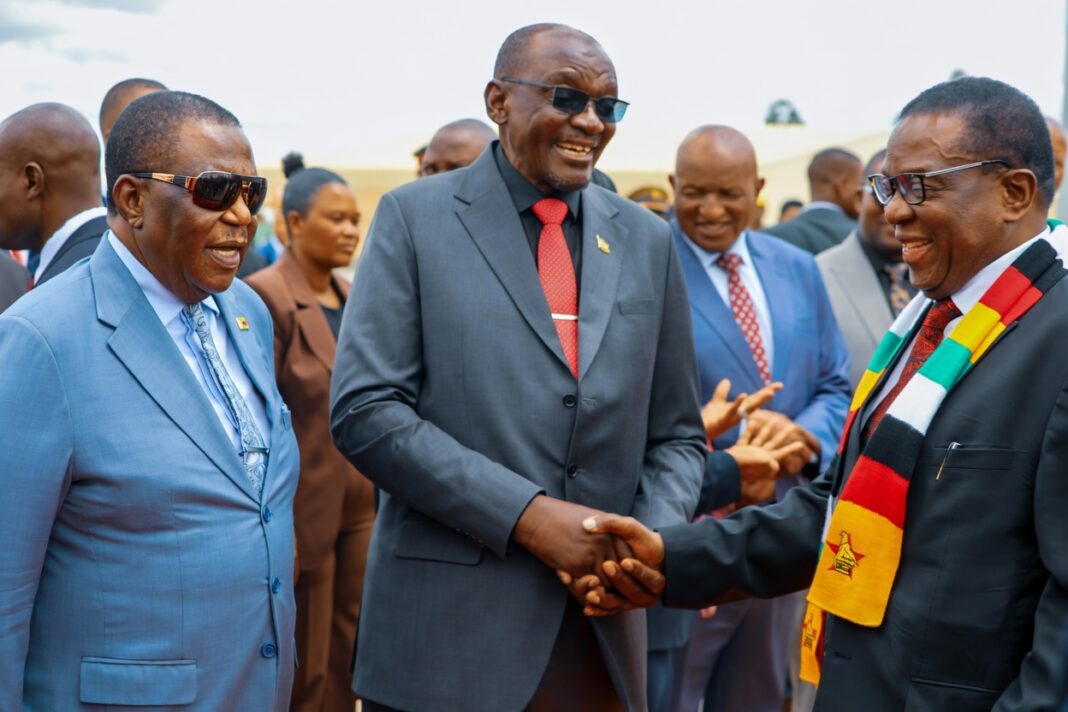
HARARE – Zimbabwe’s fragile political equilibrium is increasingly under strain amid growing indications of a high-stakes power struggle between President Emmerson Mnangagwa and his deputy, Vice President Constantino Chiwenga, with intelligence operatives reportedly monitoring the latter’s engagements with senior military figures.
Sources familiar with internal developments, according to a report, say whispers of a “move on Chiwenga” and even a so-called “third Chimurenga” are circulating within ruling party corridors, fuelling speculation of a slow-burning internal coup. While official channels project unity, mounting evidence points to widening fractures within ZANU-PF’s upper ranks.
Succession battle intensifies over constitutional changes
At the centre of the dispute lies Constitutional Amendment Bill No. 3 (CAB3), a controversial proposal widely interpreted as a vehicle to extend Mnangagwa’s rule beyond the constitutional two-term limit set to end in 2028.
Chiwenga has reportedly emerged as a key internal critic of the proposal, positioning himself as a defender of liberation-era principles. He has consistently invoked the doctrine of “one man, one vote,” arguing that any extension of presidential tenure must be subjected to a national referendum.
His stance has placed him on a collision course with Mnangagwa’s allies, who argue that the proposed changes merely adjust electoral timelines rather than abolish term limits outright. Critics, however, view this as a semantic manoeuvre designed to bypass democratic accountability.
Politburo confrontations reveal internal divisions
The tensions have repeatedly spilled into ZANU-PF’s Politburo, where insiders describe increasingly confrontational exchanges. In one reported incident, Chiwenga clashed sharply with State Security Minister Lovemore Matuke over the referendum issue.
Allies of Mnangagwa, including senior party figures such as Oppah Muchinguri and Munyaradzi Machacha, are said to have sided against the Vice President, further isolating him within the party’s decision-making structures.
Chiwenga, a former military commander who played a central role in the 2017 ousting of Robert Mugabe, is also reported to have invoked his liberation war credentials during heated exchanges—remarks widely interpreted as veiled criticism of Mnangagwa’s own historical standing.
Cabinet disagreements and ideological fault lines
The divisions extend into the Cabinet, where disagreements over proposals to shift Zimbabwe toward an indirect presidential election system have intensified.
Chiwenga is reported to have dismissed comparisons with countries such as South Africa and Botswana, rejecting arguments that the parliamentary election of a president enhances democratic participation. Instead, he has maintained that such a system risks diluting the electorate’s direct voice.
This ideological rift underscores a broader struggle over the future direction of governance in Zimbabwe—whether to consolidate executive power or preserve direct electoral accountability.
Business influence and the Tagwirei factor
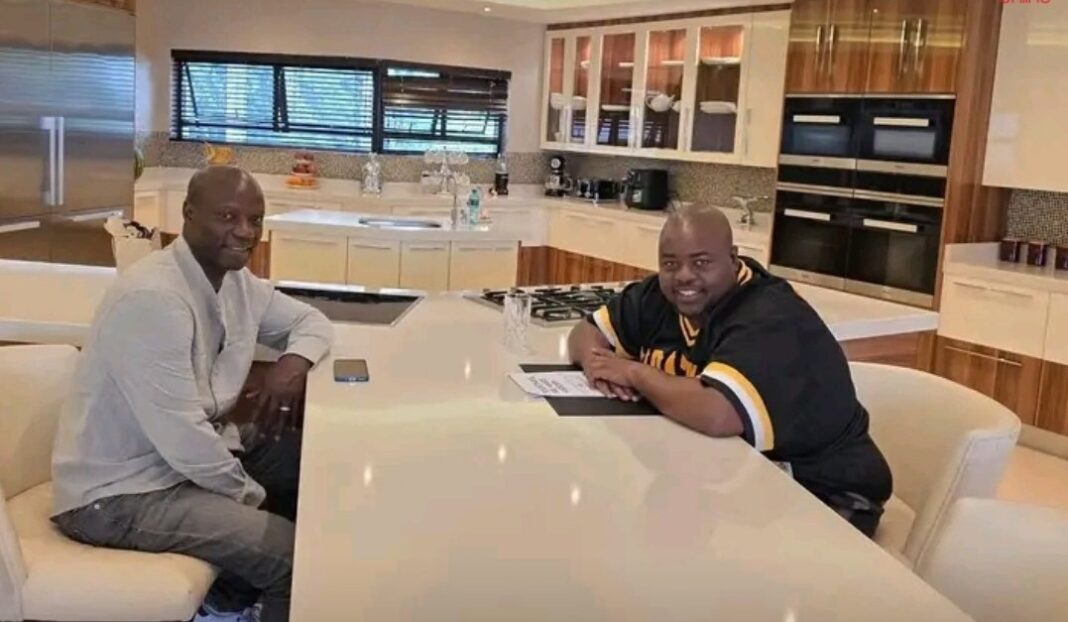
The growing influence of businessman Kudakwashe Tagwirei has added a further layer of tension. Widely seen as close to Mnangagwa, Tagwirei’s reported elevation within party structures has triggered concern among Chiwenga’s allies.
Efforts to integrate Tagwirei into ZANU-PF’s Central Committee were initially resisted by the Vice President, who reportedly warned against the encroachment of private wealth into party politics. Despite these objections, the move ultimately proceeded—seen by observers as a consolidation of Mnangagwa’s influence.
Critics argue that this development signals a shift toward a more patronage-driven political economy, raising concerns about state capture and the erosion of ideological foundations.
Security concerns and military undercurrents
Perhaps most concerning are reports that state intelligence agencies are monitoring Chiwenga’s alleged meetings with senior military officials. While details remain opaque, the development has heightened anxiety within political circles about the potential role of the armed forces.
Zimbabwe’s military has historically played a decisive role in political transitions, most notably during the 2017 intervention that brought Mnangagwa to power. Chiwenga’s enduring ties to the military establishment make him a pivotal figure in any potential realignment.
Recent changes within the Zimbabwe Defence Forces command structure have only deepened speculation about shifting loyalties.
Echoes of past political upheavals
Analysts note striking parallels between the current tensions and the events leading up to Mugabe’s removal nearly a decade ago. Strategic appointments, factional mobilisation, and public displays of unity masking internal discord all mirror patterns seen in previous power struggles.
The use of liberation war rhetoric—particularly references to a “third Chimurenga”—suggests that some factions view the current moment as a decisive battle for the soul of the ruling party.
A nation watching closely
As Zimbabwe edges closer to the 2028 electoral horizon, the stakes of this internal contest continue to rise. What began as a policy disagreement over constitutional amendments has evolved into a broader struggle over leadership, legitimacy, and the future of the state.
For many Zimbabweans, the unfolding drama raises urgent questions about democratic governance, institutional integrity, and the concentration of power.
While Mnangagwa’s camp continues to assert control, the persistence of dissent within the highest levels of government suggests that the outcome remains far from settled.
Behind the façade of unity, the cracks are no longer easy to conceal.