
BULAWAYO – Fresh allegations have emerged suggesting that a faction of the Citizens Coalition for Change (CCC), led by Sengezo Tshabangu, is engaged in behind-the-scenes negotiations aimed at joining the government of President Emmerson Mnangagwa under a proposed “Government of National Consensus” (GNC).
According to multiple sources within both the ruling ZANU-PF party and the opposition, a series of discreet meetings have reportedly been taking place in Harare, where political actors are said to be exploring arrangements that could reshape Zimbabwe’s governance structure ahead of the next electoral cycle.
Quiet negotiations and rising speculation
Insiders claim that informal consultations have been held at high-end venues in the capital, involving senior figures aligned to Tshabangu’s camp and representatives linked to the ruling party. While the meetings remain unconfirmed officially, they are widely described as strategic discussions focused on political survival and future power-sharing arrangements.
A source familiar with the talks characterised them as centred less on electoral processes and more on “the configuration of the next administration,” raising concerns about the transparency and democratic legitimacy of the process.
Constitutional Amendment Bill No. 3 at the centre
At the heart of the alleged negotiations lies Constitutional Amendment Bill No. 3 (CAB3), a contentious proposal that seeks to introduce sweeping changes to Zimbabwe’s governance system. Among its key provisions are the removal of direct presidential elections, the extension of presidential and parliamentary terms from five to seven years, and the transfer of presidential selection to Parliament.
Critics argue that these changes could fundamentally alter the country’s democratic framework by reducing direct voter influence in the selection of national leadership.
CCC interim spokesperson Nqobizitha Mlilo recently signalled openness to a national political arrangement, describing the need for what he termed a “managed political rapture” to transition Zimbabwe from prolonged conflict toward consensus-driven governance.
However, analysts say such language may mask deeper political calculations, particularly in light of ongoing divisions within the opposition.
Link between CAB3 and proposed unity government
Observers note that the proposed GNC appears closely tied to the fate of CAB3. Should the bill pass, it would create a framework in which the President is elected by Parliament—potentially enabling political actors to negotiate leadership outcomes internally rather than through a national vote.
Under this scenario, a coalition-style government could emerge, incorporating opposition figures into executive roles. Critics warn that this arrangement risks entrenching elite bargaining at the expense of public participation.
Echoes of past coalition experience
The developments have drawn comparisons to Zimbabwe’s 2009 Government of National Unity (GNU), formed following disputed elections between ZANU-PF and the then Movement for Democratic Change (MDC). While the GNU stabilised the economy temporarily, it also reshaped the opposition landscape, with some arguing it weakened its long-term political leverage.
Analysts caution that the current proposal differs significantly, as it is not driven by a clear electoral impasse but rather by internal party dynamics and legislative changes.
Internal divisions within CCC
Since Tshabangu initiated a wave of recalls targeting CCC legislators, the party has experienced significant internal turmoil. The recalls, widely contested, contributed to a leadership crisis that culminated in the departure of founding leader Nelson Chamisa.
Political commentators suggest that these internal fractures may have reduced the opposition’s electoral prospects, potentially incentivising some factions to pursue alternative pathways to political relevance.
Allegations of financial influence
Adding to the controversy are reports linking businessman Wicknell Chivayo to alleged financial inducements targeting Members of Parliament. Claims that MPs received monetary “donations” have sparked debate over whether financial incentives are being used to influence legislative outcomes, particularly regarding CAB3.
While no formal findings have been made, civil society groups have called for greater transparency and accountability in the legislative process.
Public concerns over democratic erosion
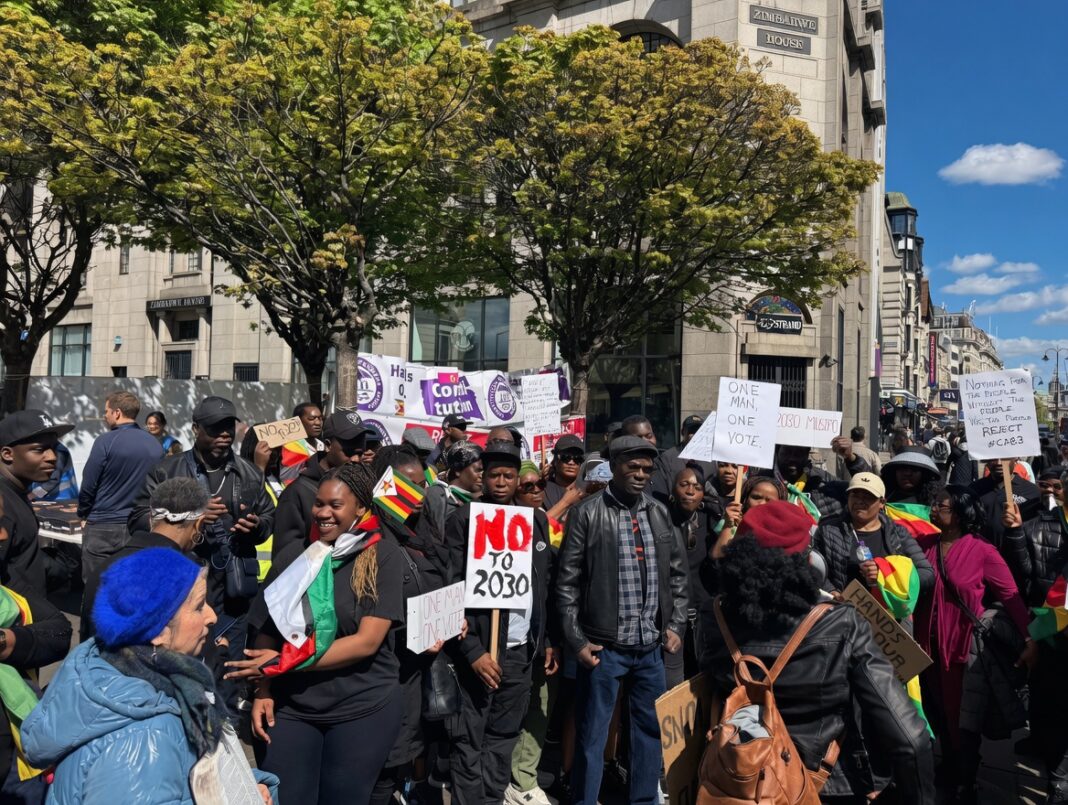
Public hearings on CAB3 have reportedly exposed deep divisions, with some sessions disrupted amid tensions between supporters and critics of the bill. Concerns have been raised that the proposed reforms could weaken electoral accountability and centralise power within a limited political elite.
Critics argue that shifting presidential elections to Parliament risks marginalising voters, while extending term limits may reduce the frequency of democratic checks on leadership.
What lies ahead
Tshabangu is reportedly expected to initiate formal discussions with ZANU-PF Chief Whip Pupurai Togarepi, signalling a possible transition from informal consultations to structured negotiations.
While proponents of the GNC frame it as a pathway to stability and national unity, sceptics warn that it could mark a significant departure from participatory democracy, consolidating power through elite consensus rather than public mandate.
A pivotal moment for Zimbabwe
As Zimbabwe navigates these political developments, the outcome of CAB3 and the proposed GNC could have far-reaching implications for the country’s political trajectory.
Whether the process leads to genuine national dialogue or reinforces perceptions of elite-driven governance remains a subject of intense debate.
For many observers, the central question persists: will these developments strengthen Zimbabwe’s democratic institutions, or redefine them in ways that diminish the role of the electorate?