UNITED NATIONS – A diplomatic confrontation between the United States and Russia at the UN Security Council has left the future of the Western Sahara peacekeeping mission uncertain, after both powers vetoed rival proposals to determine its mandate.
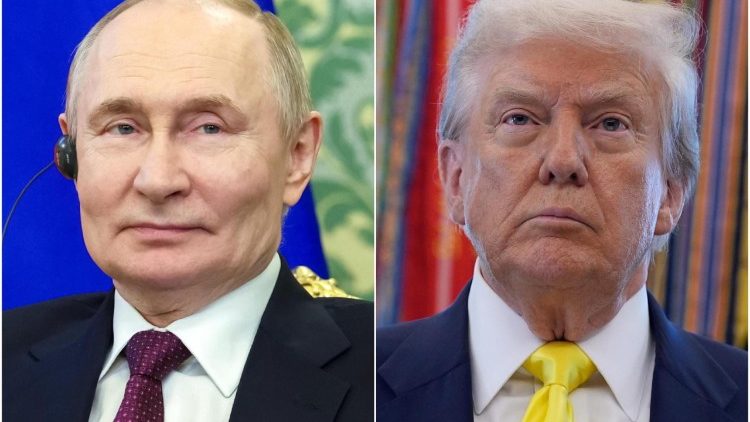
Business Insider Africa, reporting on the developments surrounding the Security Council vote, said Russia blocked a US-backed resolution on October 30 that sought to renew and restructure the UN Mission for the Referendum in Western Sahara (MINURSO). The proposal received 11 votes in favour but failed because of Moscow’s veto.
Washington subsequently vetoed Russia’s alternative draft, which sought to extend the mission’s existing mandate without changes. The Russian proposal secured only three votes in favour, while 11 council members abstained.
The US-backed resolution proposed renaming MINURSO as the United Nations Mission in Western Sahara and placing Morocco’s autonomy plan more prominently at the centre of negotiations. Washington argued that the changes reflected the realities of a peace process that has failed to deliver a referendum for decades.
Russia objected that the proposal favoured Morocco and risked prejudging the territory’s political future, insisting that the UN process must preserve the principle of self-determination.
The dispute centres on Morocco, which controls most of Western Sahara, and the Algeria-backed Polisario Front, which seeks independence. The conflict dates to 1975, following Spain’s withdrawal from the territory. A 1991 ceasefire established MINURSO and envisaged a referendum, but disagreements over voter eligibility have prevented it from taking place.
With neither resolution adopted, the mission’s mandate was due to expire on October 31, raising concerns about the future of its monitoring and de-escalation responsibilities. Oxfam warned that losing those functions could expose civilians and refugees to greater risks.
Morocco welcomed the failure to renew the mission, saying its personnel and equipment should leave the territory. A last-minute Security Council compromise remained possible, but the competing vetoes exposed deep divisions among major powers over the future of the decades-old dispute.