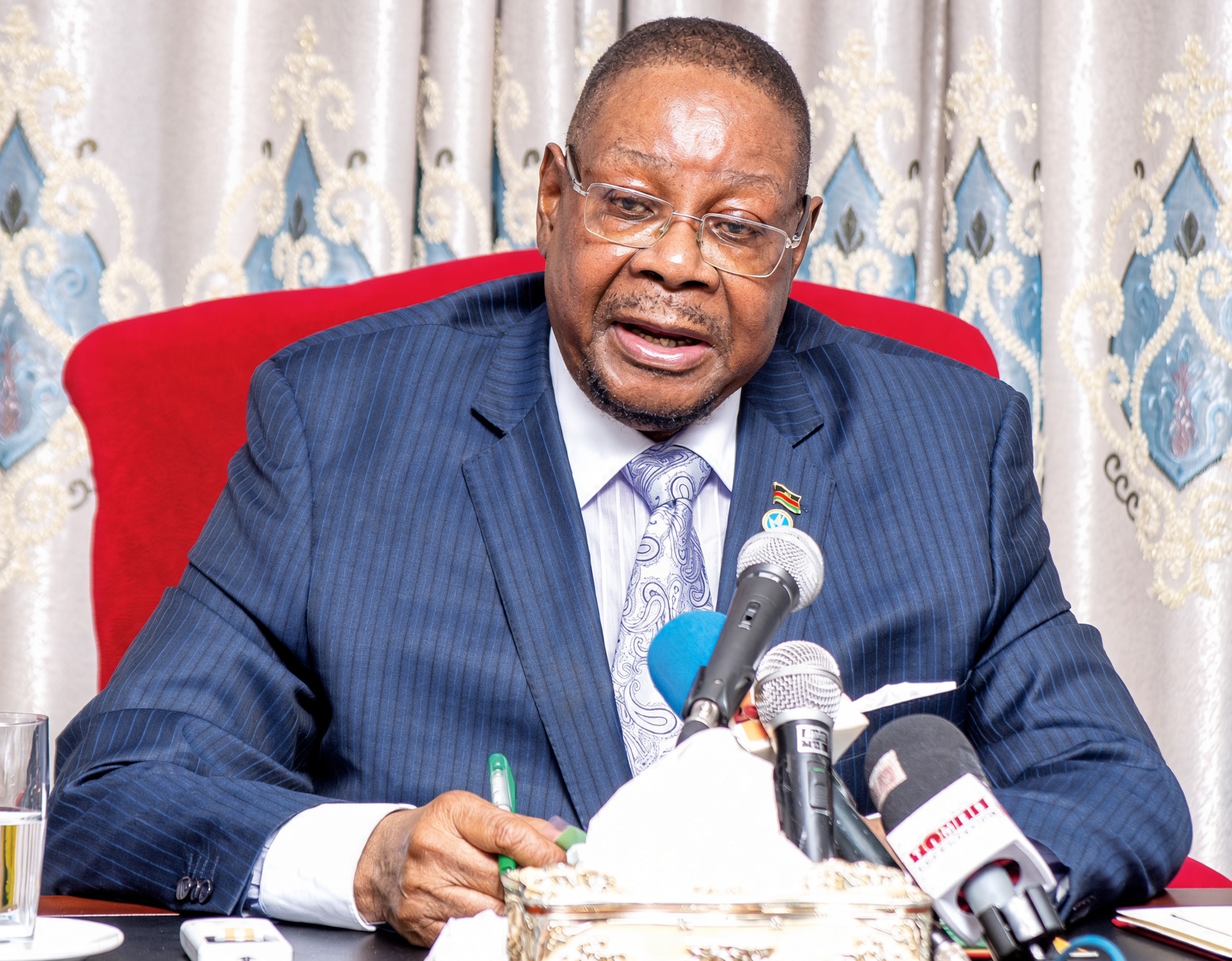
LILONGWE, Malawi – President Peter Mutharika’s prolonged stay in South Africa has exposed growing questions over transparency and executive accountability in Malawi, although senior legal practitioners maintain that his absence does not constitute a constitutional violation or justify transferring presidential powers to his deputy.
Mutharika has spent approximately three weeks outside the country in what is reportedly his fifth private visit to South Africa since returning to power following the September 2025 elections, prompting speculation about his health and ability to discharge presidential responsibilities.
However, prominent lawyers, including Senior Counsel Alan Chinula and Malawi Law Society president Davis Njobvu, have dismissed suggestions that the President’s extended absence automatically breaches the Constitution.
Malawi’s constitutional framework does not impose a maximum period during which a sitting president may remain outside the country. Nor does travelling abroad, in itself, constitute an inability to exercise executive authority.
The distinction has become central to growing demands for First Vice-President Jane Ansah to assume a more prominent role in government.
Under Malawi’s Constitution, presidential incapacity must be established through a formal procedure involving medical certification, endorsement by the First Vice-President and a majority of Cabinet, and notification of the Speaker of Parliament.
No such process has been initiated, according to the legal experts cited in the debate.
The controversy nevertheless presents a wider governance challenge for Mutharika’s administration, particularly over the distinction between constitutional compliance and public accountability.
Governance commentator Benedicto Kondowe has argued that the legality of presidential travel should not shield the government from legitimate questions about the whereabouts and availability of the country’s head of state.
His position reflects a broader concern that prolonged absences, particularly those described as private, require credible official communication to prevent speculation from undermining public confidence.
The ruling Democratic Progressive Party’s secretary general, Peter Mukhito, has rejected claims that Mutharika is bedridden, insisting that the President remains capable of carrying out his constitutional duties.
However, critics have questioned whether assurances from a political party official provide the same institutional accountability as a formal statement issued by the presidency or government.
Political analysts say the controversy illustrates the difficulties facing African presidential systems where executive authority is concentrated in one office and public information about presidential movements is limited.
The absence of a constitutional breach does not necessarily resolve questions about administrative transparency, particularly when citizens are uncertain about the arrangements governing presidential responsibilities during extended foreign visits.
Mutharika’s administration has not, according to the account published by Nyasa Times, provided a detailed public explanation for the latest trip.
For Malawi, the immediate issue is therefore less about presidential succession than the credibility of official communication and the government’s willingness to distinguish private presidential matters from matters of legitimate public interest.
The dispute also underscores the importance of constitutional safeguards designed to prevent political actors from invoking presidential incapacity without evidence or following established legal procedures.
While those protections preserve institutional stability, they do not remove the political obligation to maintain public confidence in the functioning of government.
With no publicly established constitutional grounds for transferring presidential authority, Mutharika’s absence remains primarily a question of political accountability rather than a constitutional crisis.
The longer the government leaves questions unanswered, however, the greater the risk that an otherwise lawful presidential absence becomes a distraction for an administration seeking to consolidate its authority after returning to office.