
PRETORIA, South Africa – South African President Cyril Ramaphosa has publicly distanced his government from a growing trend of civilian-led immigration enforcement, warning that only authorised state institutions have the legal authority to police immigration violations.
The President’s remarks come amid mounting concerns over the emergence of self-appointed groups conducting identity checks in public spaces, targeting suspected undocumented migrants in what rights groups have described as a dangerous escalation of xenophobic vigilantism.
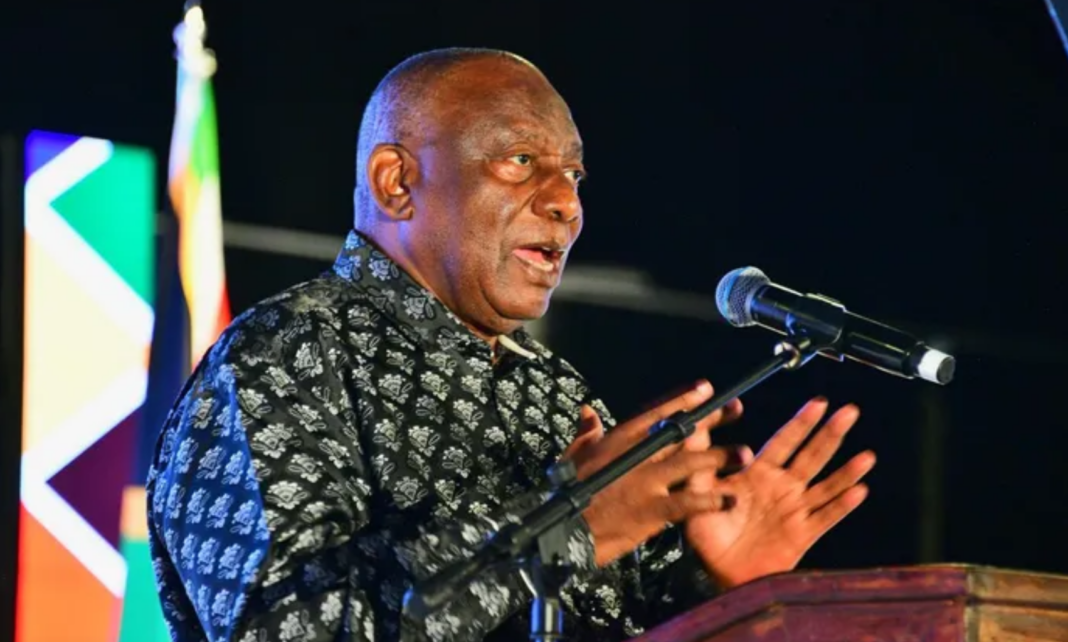
In a statement posted on social media platform X, Ramaphosa stressed that immigration enforcement remains exclusively the responsibility of the state and warned citizens against taking the law into their own hands.
“I must make it clear that only authorised government officials may act against violations of the law, including violations of our immigration laws. No other person is allowed, for example, to confront someone in the street to demand proof of nationality,” Ramaphosa said.
The intervention follows reports of increasing incidents in which groups of residents have allegedly stopped individuals in townships and urban centres, demanding identification documents and proof of citizenship. In some cases, those targeted have reportedly faced intimidation, detention, and physical assault.
Xenophobia Returns to the National Spotlight
South Africa has long struggled with periodic outbreaks of xenophobic violence, particularly against migrants from other African countries. Foreign nationals from countries such as Zimbabwe, Nigeria, Mozambique, Ghana, and Ethiopia have frequently borne the brunt of attacks during periods of social and economic strain.
Analysts note that high unemployment, deep economic inequality, pressure on public services, and competition within the informal sector have created fertile ground for anti-immigrant sentiment. South Africa’s unemployment rate remains among the highest in the world, with many communities facing severe economic hardship.
In recent years, frustrations over illegal immigration and perceptions that foreign nationals are competing for jobs, housing, and business opportunities have increasingly become political flashpoints. Several activist groups have emerged advocating stricter immigration controls, while critics argue that some movements have fuelled xenophobic rhetoric and vigilantism.
Human rights organisations have warned that the rise of street-level immigration checks risks legitimising discrimination and undermining constitutional protections.
Government Promises Tougher Immigration Controls
While rejecting vigilantism, Ramaphosa acknowledged growing public concern about illegal immigration and pledged that his administration would strengthen formal enforcement mechanisms.
Speaking on the country’s immigration challenges, the President outlined plans to tighten border security, crack down on violations of immigration and labour laws, combat corruption within immigration agencies, and improve the effectiveness of deportation and documentation systems.
“We will act against forces that are exploiting the concerns of our people about illegal immigration to further their political, personal or criminal agendas,” he said.
The government also intends to deepen cooperation with neighbouring African states and regional partners to address migration pressures through coordinated policy responses.
Officials argue that stronger institutional enforcement is necessary to restore public confidence while preventing the emergence of parallel systems of justice that could destabilise communities.
Regional and Diplomatic Implications
The issue has increasingly attracted attention across the continent. In previous waves of xenophobic unrest, several African governments issued travel advisories to their citizens living in South Africa, while some organised emergency evacuations following attacks on migrant-owned businesses and residential areas.
The recurring violence has periodically strained South Africa’s diplomatic relations with fellow African nations and raised questions about Pretoria’s commitment to pan-African solidarity.
Political analysts say Ramaphosa’s latest intervention reflects growing concern within government that localised incidents could escalate into a broader crisis with regional implications.
“South Africa faces a delicate balancing act,” said one political observer. “The government must demonstrate that it can effectively manage immigration while also protecting the rights and safety of all people living within its borders.”
A Test of Social Cohesion
The latest controversy highlights South Africa’s ongoing struggle to balance national security, immigration management, economic realities, and social cohesion.
As authorities move to reinforce official immigration enforcement, the broader challenge remains addressing the underlying socio-economic conditions that continue to fuel resentment toward migrants.
For Pretoria, the stakes extend beyond immigration policy. The government’s response will be closely watched both domestically and across Africa as it seeks to prevent public frustration from evolving into a new cycle of xenophobic violence and diplomatic fallout.
With tensions simmering in several communities, Ramaphosa’s message was clear: immigration enforcement belongs to the state, and any attempt by civilians to assume that role risks undermining the rule of law and deepening divisions within South African society.