

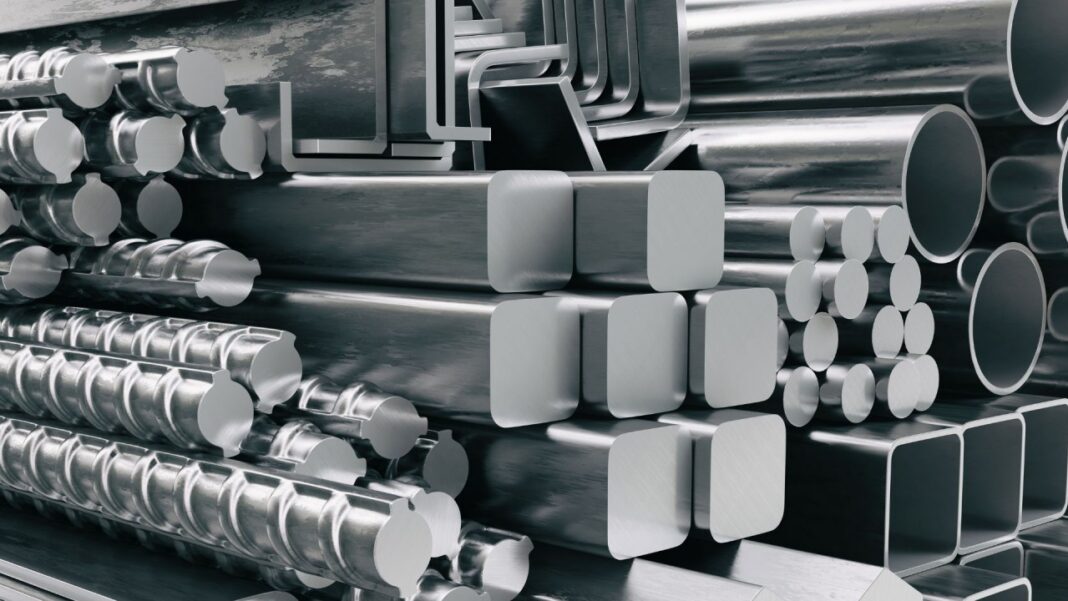
THE development of the Manhize Dinson Iron and Steel Plant presents Zimbabwe with a rare opportunity to move beyond a traditional resource-exporting economy and rebuild a modern industrial base anchored on steel manufacturing. Around the world, successful industrial economies have demonstrated that a steel plant is not merely a factory producing metal; it is the foundation of a wider ecosystem of engineering, manufacturing, innovation, skills development and technological advancement. From Tata Steel’s digitally enabled operations in India to South Korea’s steel-driven industrialisation model, the greatest economic value has come from the industries created around steel rather than steel production alone.
By Our Insights Team
For Zimbabwe, Manhize must therefore be viewed as a strategic industrial catalyst capable of supporting the growth of steel fabrication, boiler making, industrial pipe manufacturing, mining equipment production, construction engineering and advanced manufacturing. The objective should be to ensure that Zimbabwe captures the full economic value of its mineral resources by transforming iron ore into finished industrial products, creating skilled employment, reducing imports and positioning the country as a regional engineering and manufacturing hub.
The recommendations below outline how Zimbabwe can leverage Manhize to develop a globally competitive steel ecosystem that combines local capabilities, digital innovation, international partnerships and downstream industrial development.
The real value of a steel plant is not the furnace — it is the industrial ecosystem it creates
The development of the Manhize Dinson Iron and Steel Plant (DISCO) represents one of Zimbabwe’s most significant industrial opportunities since independence. However, the true economic impact of a modern steel plant will not be measured only by tonnes of steel produced or export revenues generated. The transformative value lies in whether Zimbabwe can use the plant as the foundation for building a wider industrial ecosystem of engineering, fabrication, manufacturing, skills development and technology innovation.
Global experience shows that successful steel economies do not simply operate blast furnaces and rolling mills. They create interconnected networks of companies that manufacture industrial pipes, pressure vessels, boilers, mining equipment, construction steel structures, railway components, automotive parts, machinery and engineering solutions.
The strategic question for Zimbabwe is therefore not only how much steel Manhize produces, but whether the country can replicate the industrial models of nations such as India, South Korea, Germany and China, where steel became the backbone of broader manufacturing revolutions.
Tata Steel’s lesson: Steel plants of the future are digital industrial ecosystems
The experience of Tata Steel’s Kalinganagar plant in India provides an important lesson for Zimbabwe. The plant did not achieve global recognition simply because it produced steel. Its success came from combining heavy industry with technology, data analytics, skilled employees and continuous innovation.
When Tata Steel built Kalinganagar, management understood that future competitiveness would depend not only on physical assets but also on the ability to collect, analyse and use industrial data. Sensors were installed throughout the plant years before advanced analytics became mainstream.
Initially, the company did not have all the answers about how the data would be used. However, executives understood that industrial information would eventually become as valuable as the machines themselves.
That foresight allowed the plant to later introduce artificial intelligence and analytics systems that improved production efficiency, reduced waste, lowered energy consumption and increased output.
One example was the complex steel superheating process, where molten steel must reach a precise temperature before casting. Traditionally, operators relied heavily on experience and manual judgement. Tata Steel developed analytics models that analysed thousands of data points and provided recommendations to improve temperature accuracy.
The result was a major improvement in production efficiency, reducing costs and increasing throughput. More importantly, Tata Steel realised that technology alone was not enough. The company invested heavily in training employees in data science, engineering analytics and digital operations.
The lesson was clear: industrial transformation happens when technology and human capability develop together.
Manhize must become the centre of Zimbabwe’s industrial revival
Zimbabwe has a historic opportunity to ensure that Manhize becomes more than a steel producer. It can become the nucleus of a new industrial economy.
A modern integrated steel plant has enormous downstream potential. Steel is the foundation material for almost every industrial sector, from construction and mining to energy, transport and manufacturing.
The first priority should be developing a local steel engineering ecosystem capable of producing industrial products currently imported into Zimbabwe and the wider region.
One critical area is industrial pipe manufacturing.
Africa imports billions of dollars’ worth of steel pipes every year for water infrastructure, mining operations, oil and gas projects, irrigation schemes and energy developments. Zimbabwe currently has the opportunity to manufacture these products locally using steel produced at Manhize.
A domestic pipe industry could supply Zimbabwe’s mining sector, municipalities, agricultural irrigation projects and regional markets such as Zambia, Mozambique, Botswana and the Democratic Republic of Congo.
Instead of exporting steel and importing finished products, Zimbabwe can capture more value by moving further down the manufacturing chain.
The boiler-making opportunity: Creating an engineering manufacturing hub
Another major opportunity is the development of a world-class boiler-making and heavy engineering industry.
Boiler manufacturing requires advanced skills in welding, metallurgy, pressure engineering, fabrication and quality control. These are precisely the capabilities that a steel economy can develop.
Countries such as India transformed their steel industry into a wider engineering powerhouse by developing companies capable of manufacturing power plant equipment, industrial boilers, pressure vessels and specialised machinery.
Zimbabwe has historical foundations in this area. Companies such as National Railways of Zimbabwe, ZISCO and engineering firms in Bulawayo once created a strong industrial skills base.
The challenge is not starting from zero. The challenge is rebuilding and modernising that capability using new technology, international partnerships and a new generation of engineers.
Manhize could become the anchor around which Zimbabwe develops engineering clusters specialising in mining equipment, renewable energy structures, industrial machinery and infrastructure components.
India’s industrial model: From steel production to manufacturing power
India provides one of the strongest examples of how steel can drive industrialisation.
Companies such as Tata Steel, JSW Steel and Steel Authority of India Limited have supported the growth of downstream industries ranging from automotive manufacturing to heavy engineering.
India did not become an industrial economy by exporting raw iron ore and importing finished machinery. It built domestic capabilities around steel.
The Indian automotive sector, for example, benefited from locally available steel, engineering skills and manufacturing supply chains.
Zimbabwe can adopt a similar approach. Manhize should not operate as an isolated mining and steel project. It should become a platform for industrial localisation.
South Korea’s lesson: Steel as the foundation of an export economy
South Korea’s transformation offers another important example.
When POSCO was established, steel was viewed as the foundation for national industrial development. The strategy was not simply to produce steel but to support shipbuilding, automotive manufacturing, construction and technology industries.
Today, South Korea is home to global companies such as Hyundai Motor Company and Samsung Electronics because earlier industrial investments created the manufacturing ecosystem.
Zimbabwe’s challenge is to think beyond the immediate steel project and ask what industries Manhize can enable over the next 20 years.
The missing link: Developing industrial skills and engineering talent
The biggest risk facing Zimbabwe is assuming that infrastructure alone creates industrialisation.
Steel plants require thousands of specialised skills, including metallurgists, mechanical engineers, electrical engineers, welders, technicians, data analysts and industrial automation specialists.
Zimbabwe must therefore create a deliberate skills development pipeline linked directly to Manhize.
Universities, technical colleges and industry should collaborate to develop programmes focused on steel engineering, robotics, industrial automation, welding technology, metallurgy and digital manufacturing.
The Tata Steel example demonstrates that the workforce itself becomes a competitive advantage. Machines can be purchased, but industrial knowledge must be built.
Regional opportunity: Zimbabwe can become Southern Africa’s engineering centre
Southern Africa has significant demand for steel products but limited regional manufacturing capacity.
The Democratic Republic of Congo’s mining expansion, Zambia’s copper industry, Mozambique’s energy projects, Botswana’s infrastructure development and Zimbabwe’s own mining sector all require steel-intensive products.
A Manhize-based industrial ecosystem could supply mining equipment, pipelines, structural steel, processing plants and engineering services across the region.
Zimbabwe’s geographical position allows it to become a regional manufacturing hub rather than simply a commodity exporter.
The long-term vision: From mineral wealth to industrial wealth
Zimbabwe has historically been rich in minerals but has captured limited value beyond extraction.
Manhize provides an opportunity to change that economic model.
The objective should not only be producing steel but also creating thousands of businesses around steel. The future success of the project will be measured by the number of engineering companies created, the number of skilled workers developed, the reduction in imports and the growth of Zimbabwe’s manufacturing base.
The lesson from Tata Steel, South Korea and other industrial economies is that factories do not create industrial nations on their own. Industrial ecosystems do.
If Zimbabwe combines Manhize steel production with engineering skills, digital technology, local manufacturing policies and regional market integration, the country can transform steel from a commodity into the foundation of a new industrial era.
Recommendations for Building a Steel Engineering and Industrial Ecosystem Around Manhize Dinson Iron and Steel Plant
1. Position Manhize as an industrial ecosystem, not only a steel production facility
Zimbabwe should adopt a strategic policy approach that views the Manhize Dinson Iron and Steel Plant as the foundation of a broader industrial ecosystem rather than simply a steel manufacturing project.
The economic objective should extend beyond producing steel billets, bars and slabs towards creating downstream industries that consume steel locally. Government, industry and investors should develop a long-term industrialisation roadmap that identifies priority sectors capable of using Manhize steel, including steel pipes, engineering products, mining equipment, construction materials, railway components, boilers, pressure vessels and fabricated industrial structures.
The success of Manhize should ultimately be measured by how much domestic manufacturing capacity it creates and how effectively it reduces Zimbabwe’s dependence on imported industrial products.
2. Establish a Manhize Steel Industrial Development Zone
Zimbabwe should establish a dedicated industrial cluster around Manhize, similar to industrial models used in India, China, South Korea and Germany.
The zone should attract companies involved in steel processing, fabrication, engineering services, machinery manufacturing and industrial technology.
Rather than exporting raw or semi-processed steel, companies should be encouraged to locate near the steel plant and transform steel into higher-value products.
The industrial zone should include manufacturers of:
- Steel pipes for mining, water and energy infrastructure.
- Boilers and pressure vessels for industrial applications.
- Structural steel for construction projects.
- Mining equipment and replacement parts.
- Agricultural machinery.
- Railway infrastructure components.
- Renewable energy structures such as solar mounting systems and transmission towers.
This would create a multiplier effect where one steel plant supports hundreds of downstream businesses.
3. Develop a national steel beneficiation and downstream manufacturing policy
Zimbabwe requires a clear steel beneficiation framework that prioritises local value addition. The policy should encourage domestic consumption of Manhize steel before exporting excess production.
Government procurement policies should support locally manufactured steel products where competitive, particularly in infrastructure projects such as roads, bridges, water systems, power projects and public buildings.
A local content framework should be introduced to ensure that Zimbabwe captures greater economic value from its mineral resources.
The objective should be moving from:
Iron ore → steel production → finished industrial products → exports
rather than:
Iron ore → steel export → import finished products
4. Create a national industrial engineering skills programme linked to Manhize
Zimbabwe should establish a dedicated industrial skills development programme linked directly to the requirements of the steel industry. Universities, technical colleges and Manhize should collaborate to develop specialised programmes in:
- Metallurgy.
- Welding technology.
- Boiler making.
- Mechanical engineering.
- Industrial automation.
- Robotics.
- Computer-aided manufacturing.
- Industrial maintenance.
- Data analytics for manufacturing.
Zimbabwe previously had strong engineering capabilities through companies such as ZISCO, NRZ and industrial manufacturers in Bulawayo. The country should rebuild this knowledge base while introducing modern Fourth Industrial Revolution skills.
The objective should be creating a new generation of industrial technicians, engineers and entrepreneurs capable of supporting a modern steel economy.
5. Establish a Steel and Engineering Innovation Centre
Zimbabwe should create a national Steel and Engineering Innovation Centre linked to Manhize. The centre would support research, product development, testing and technology transfer. It could collaborate with international steel producers, engineering companies and universities to develop local capabilities in:
- Advanced welding technologies.
- Steel quality improvement.
- Industrial automation.
- Energy efficiency.
- Manufacturing processes.
- Product certification.
Countries that successfully industrialised did not only build factories; they built knowledge institutions around those factories.
6. Develop local engineering companies through supplier development programmes
Manhize should establish a supplier development programme to deliberately grow Zimbabwean engineering companies.
Local companies should be supported to provide:
- Maintenance services.
- Fabrication services.
- Engineering solutions.
- Industrial components.
- Logistics services.
- Technology support.
Large industrial projects often create stronger economies when they develop local suppliers rather than relying entirely on imported expertise.
A structured supplier development programme would ensure that economic benefits spread beyond the steel plant itself.
7. Build regional export strategies targeting Southern Africa
Zimbabwe should position Manhize as a regional steel and engineering hub.
The country should develop export strategies targeting:
- Zambia’s mining sector.
- Democratic Republic of Congo’s copper and cobalt industries.
- Mozambique’s energy infrastructure.
- Botswana’s construction sector.
- Regional infrastructure projects.
Southern Africa requires significant steel products, but many countries remain dependent on imports from outside the region.
Zimbabwe can compete by combining geographical advantage, skilled labour and locally available raw materials.
8. Encourage international strategic partnerships
Zimbabwe should attract global industrial partners with expertise in steel engineering, manufacturing and technology.
Potential partnerships should focus on knowledge transfer rather than only capital investment.
International collaboration should support:
- Advanced manufacturing.
- Industrial automation.
- Research and development.
- Workforce training.
- Export market access.
The objective should be creating Zimbabwean industrial capability, not permanent dependence on foreign expertise.
9. Create a Manhize Industrial Skills and Apprenticeship Pipeline
A structured apprenticeship programme should be established with guaranteed pathways into employment. Young Zimbabweans should receive practical training inside the steel plant and associated industries.
The programme should involve:
- Technical colleges.
- Universities.
- Engineering companies.
- International industrial partners.
Germany’s dual vocational training system provides a strong example of how industrial economies develop skilled technical workers.
10. Integrate Manhize with Zimbabwe’s mining and infrastructure strategy
The steel industry should be linked with Zimbabwe’s broader economic development plans. Mining companies should increasingly source locally manufactured steel products, including:
- Pipes.
- Processing equipment.
- Structural materials.
- Engineering services.
Infrastructure projects should also become major consumers of domestic steel.
This would create a circular industrial economy where Zimbabwe’s mineral wealth supports manufacturing, infrastructure development and employment creation.
11. Develop a long-term industrial competitiveness strategy
Zimbabwe should establish a 20-year industrial strategy centred around Manhize.
The strategy should define measurable targets, including:
- Percentage reduction in steel-related imports.
- Number of downstream manufacturing companies created.
- Engineering jobs generated.
- Export growth.
- Local supplier participation.
- Research and innovation investment.
Industrialisation requires consistency beyond political cycles. The development of countries such as South Korea and India demonstrates that industrial transformation takes decades of coordinated policy implementation.
Conclusion: Turning Manhize into Zimbabwe’s industrial engine
The greatest opportunity presented by Manhize is not the production of steel itself. The real opportunity is creating an ecosystem of engineers, manufacturers, suppliers, innovators and entrepreneurs around steel.
Zimbabwe should avoid repeating the mistakes of resource-based economies that export raw materials while importing finished products.
The strategic ambition should be for Manhize to become the foundation of a new industrial economy — one where iron ore is transformed into steel, steel is transformed into machinery and infrastructure, and industrial capability is transformed into sustainable economic growth.
A successful Manhize project should not only produce steel; it should produce an industrial nation.