

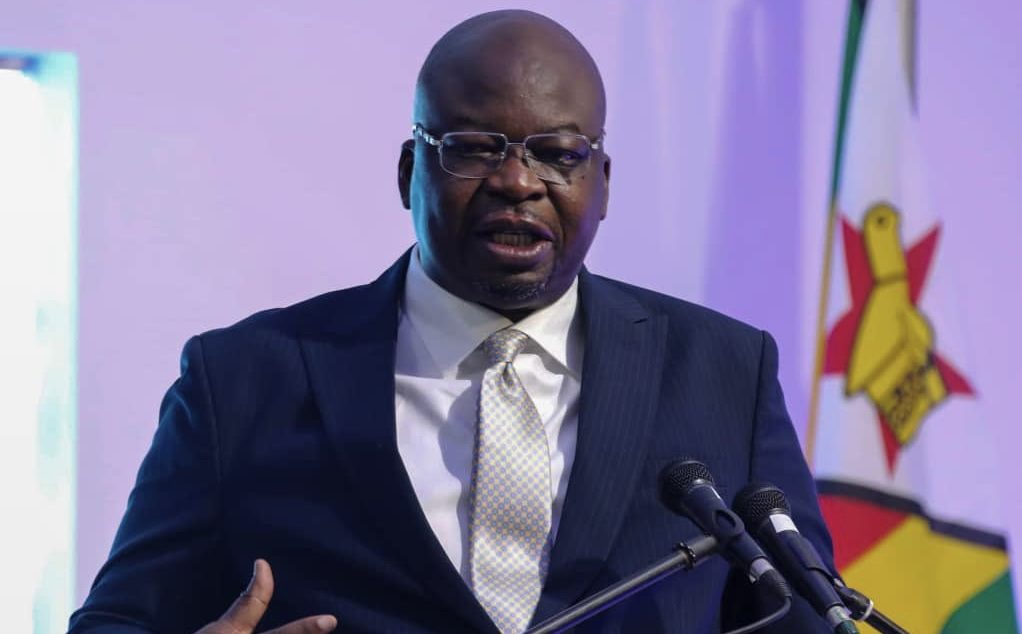
HARARE — Zimbabwe has laid the foundations for full reintegration into the international financial system after making significant progress under its arrears clearance and debt resolution programme, Finance, Economic Development and Investment Promotion Permanent Secretary George Guvamatanga said.
Guvamatanga said reforms implemented under the country’s debt resolution roadmap were beginning to deliver results and strengthening Zimbabwe’s position for renewed engagement with international creditors and financiers.
“The foundations for the country’s full reintegration into the international financial system are now in place,” Guvamatanga said in the second edition of the Structured Dialogue Platform booklet on Zimbabwe’s arrears clearance and debt resolution process.
He said the government remained committed to fiscal and monetary discipline as it implements the second phase of its National Development Strategy, known as NDS2.
“With NDS2 now under implementation, the Government remains fully committed to maintaining prudent fiscal and monetary policies for long-term macroeconomic stability and debt sustainability for Zimbabwe,” he said.
Zimbabwe’s debt resolution process is aimed at clearing long-standing arrears and restructuring its debt, a development considered critical to restoring access to concessional and long-term development finance.
Guvamatanga said the country had reached a critical stage in the process, with progress recorded across three strategic reform pillars.
“The technical milestones achieved across the three strategic reform pillars are a testament that it is no longer business as usual,” he said.
Under the Economic Growth and Stability Reforms Pillar, the government has focused on macroeconomic stabilisation, with Guvamatanga pointing to the achievement of stable single-digit inflation as a major milestone.
He also cited Zimbabwe’s successful completion of the International Monetary Fund Staff Monitored Programme (SMP) as an important step in rebuilding the country’s economic policy credentials.
“The SMP will bolster macroeconomic stability, provide a policy and reform implementation track record, and serve as a critical step towards arrears clearance and debt restructuring,” he said.
Progress has also been reported on land-related reforms, including compensation for former farm owners and investors protected under Bilateral Investment Promotion and Protection Agreements.
Guvamatanga said the government was continuing to meet its constitutional obligations, with more than US$40 million paid so far to compensate investors protected under BIPPAs and former farm owners covered by the Global Compensation Deed.
The government has also continued implementing governance reforms under the Structured Dialogue Platform, with engagement between government, civil society organisations and development partners taking place through the Governance Sector Working Group.
According to Guvamatanga, the collaborative framework has enabled stakeholders to monitor and implement governance reforms agreed under the SDP.
The Structured Dialogue Platform was established in December 2022 by President Emmerson Mnangagwa as part of efforts to build consensus among Zimbabwe, its creditors and development partners around the country’s debt resolution strategy.
Former Mozambican President Joaquim Chissano serves as the platform’s High-Level Facilitator, while former African Development Bank president Akinwumi Adesina is the process champion.
Zimbabwe’s debt overhang remains one of the principal constraints on its access to international capital. As of December 31, 2025, total public and publicly guaranteed debt stood at approximately US$21.8 billion, comprising US$11.8 billion in external debt and US$10 billion in domestic debt.
The government expects continued implementation of the arrears clearance roadmap to facilitate debt restructuring, restore debt sustainability and ultimately reopen access to affordable long-term financing.
A successful resolution would provide Zimbabwe with greater capacity to finance infrastructure, social services and productive investment under NDS2 and Vision 2030, while reducing the financial constraints created by its prolonged exclusion from conventional international development financing.