
HARARE – Zimbabwe has secured commitments from the United Kingdom and Germany to support its economic reform agenda, as authorities intensify efforts to resolve external debt arrears and re-engage international financial institutions, according to the Ministry of Finance.
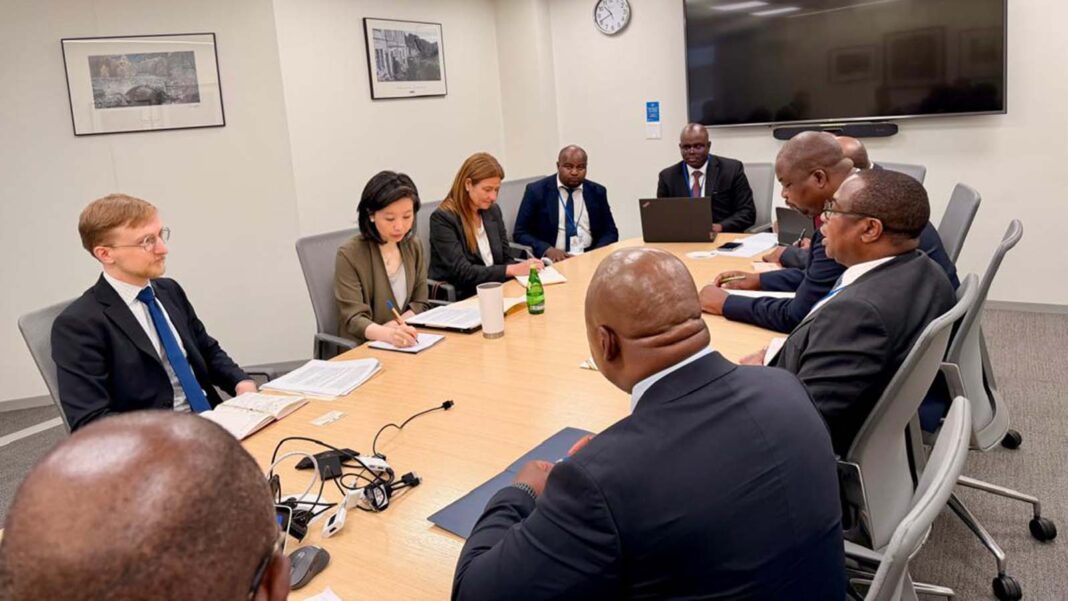
The Treasury, in an update posted on its official X (formerly Twitter) account on April 14, said the pledges followed high-level engagements on the sidelines of the 2026 Spring Meetings of the International Monetary Fund and the World Bank in Washington, DC.
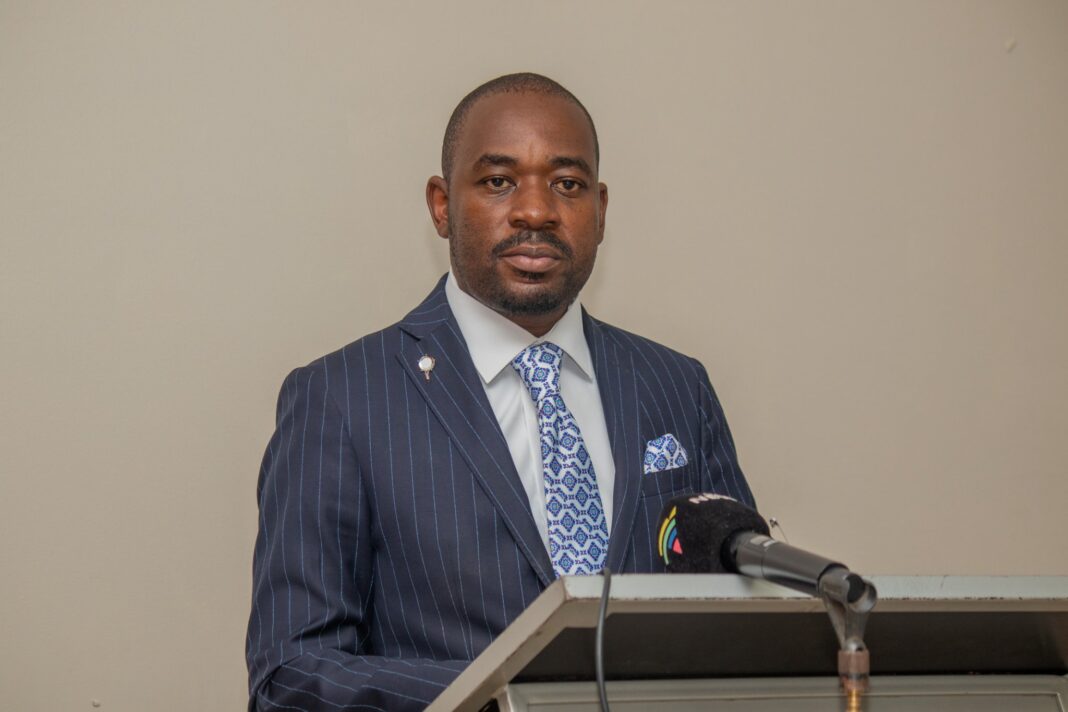
Finance Minister Mthuli Ncube and Reserve Bank Governor John Mushayavanhu are leading Zimbabwe’s delegation, which is seeking to consolidate international support for its arrears clearance strategy and broader macroeconomic reform programme.
According to state media The Herald, discussions with UK IMF Executive Director Veda Pon and adviser Will Obeney signalled growing confidence in Zimbabwe’s reform trajectory. The British delegation commended progress under the IMF Staff-Monitored Programme (SMP), describing it as a credible anchor for policy discipline and macroeconomic stabilisation.
The UK indicated it would communicate Zimbabwe’s reform progress to its capital and expressed willingness to provide technical assistance to support programme implementation, particularly in areas of fiscal management and institutional strengthening.
In parallel engagements, Zimbabwe held talks with German Executive Director Bernd Kaltenhäuser, where the focus shifted to securing an advocacy partner and a potential bridge-loan champion to facilitate arrears clearance. Germany acknowledged the SMP as a critical foundation for re-engagement but emphasised the importance of incorporating private sector participation into the process.
Berlin’s position reflects a broader shift in development finance, where public-private partnership frameworks are increasingly viewed as essential for ensuring sustainability, risk-sharing, and long-term capital mobilisation.
Zimbabwe’s delegation also engaged senior World Bank officials, including Regional Vice President for Eastern and Southern Africa Ndiame Diop, Vice President for Development Finance Dr Akihiko Nishio, and Managing Director for Operations Anna Bjerde. The World Bank commended Zimbabwe’s reform progress, highlighting key macroeconomic indicators such as the attainment of single-digit inflation—recorded at 4.1 percent in January 2026—and a sustained current account surplus over seven consecutive years.
These developments mark a notable shift in Zimbabwe’s economic positioning, as the country seeks to rebuild credibility with international lenders after years of arrears that effectively locked it out of concessional financing. The arrears clearance process, if successfully executed, could unlock access to new lines of credit, lower borrowing costs, and catalyse foreign direct investment.
Central to this effort is Zimbabwe’s Debt and Arrears Clearance Strategy, which aims to normalise relations with creditors including the Paris Club and multilateral institutions. The strategy hinges on securing both political backing from key shareholders and financial instruments such as bridge loans to clear outstanding obligations.
Economists note that while the reform momentum is encouraging, sustained policy consistency, exchange rate stability, and institutional credibility will be critical in maintaining international support. The involvement of major European economies such as the UK and Germany is seen as particularly significant, given their influence within global financial institutions and their potential role in shaping creditor consensus.
If momentum is maintained, Zimbabwe’s re-engagement process could mark a turning point—transitioning the economy from prolonged financial isolation toward renewed integration into the global financial system.