
HARARE – Zimbabwe’s mineral sector is showing renewed signs of structural transformation, with the latest performance figures from the Minerals Marketing Corporation of Zimbabwe (MMCZ) pointing to growing momentum in the country’s drive to move beyond raw mineral exports and build a value-added mining economy.
MMCZ, the government’s statutory mineral marketing agency responsible for all minerals produced in Zimbabwe except gold and silver, recorded a significant increase in export earnings during the first half of 2026, with mineral export values rising by 84% to US$2.532 billion.
The strong performance reflects a combination of favourable international commodity markets, sustained global demand for critical minerals, and the early impact of Zimbabwe’s policy push towards beneficiation and local mineral processing.
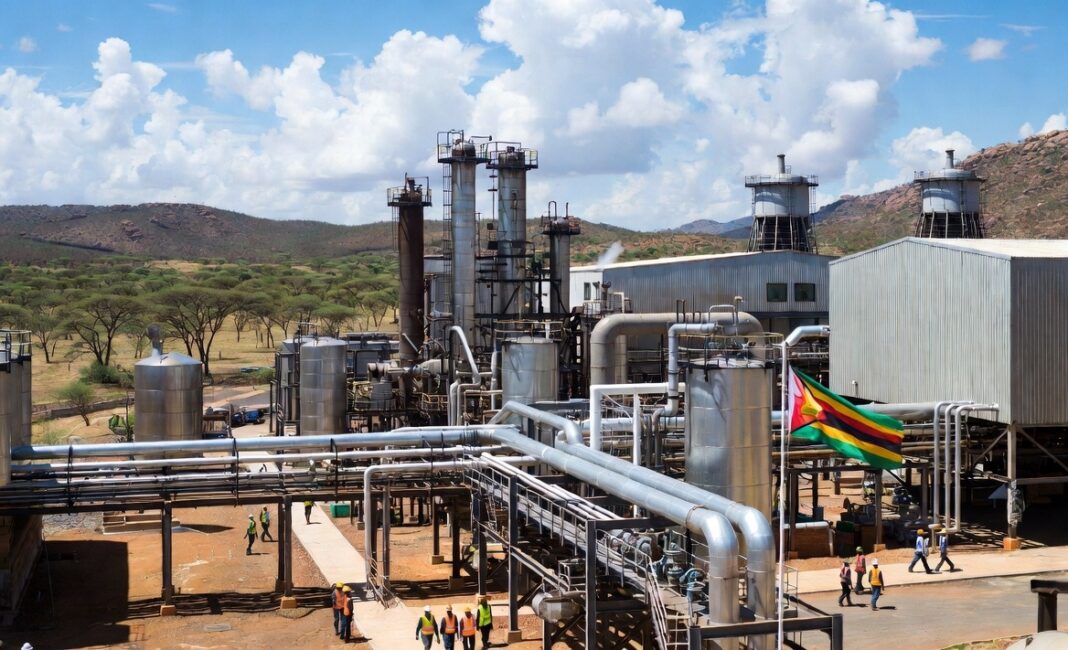
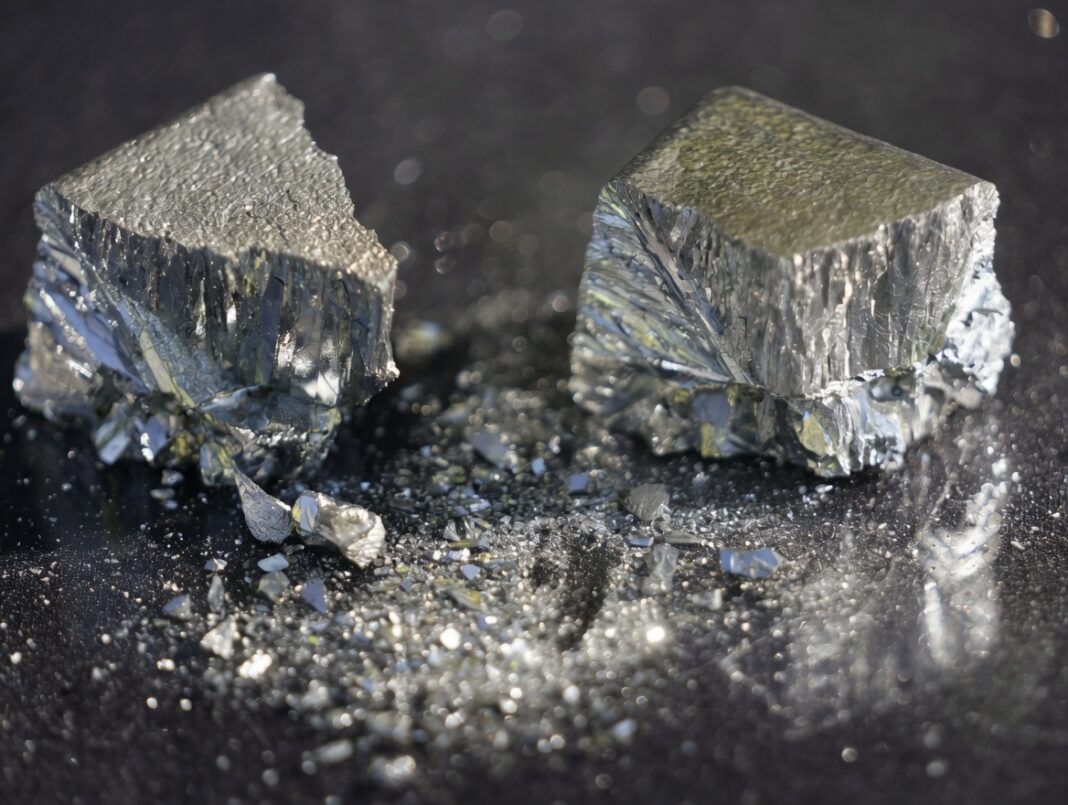
A major highlight has been the emergence of lithium sulphate exports, marking an important milestone in Zimbabwe’s ambition to become a key player in the global battery minerals supply chain. The development demonstrates a gradual shift away from the traditional model of exporting unprocessed minerals towards retaining more economic value through domestic processing and industrial development.
Zimbabwe’s progress is also being supported by increased exports of higher-value mineral products, including ferrochrome, steel products and polished granite slabs, which highlight the country’s growing capacity to process mineral resources before they reach international markets.
The shift represents a broader industrialisation strategy aimed at transforming Zimbabwe from a resource extraction economy into a mineral processing and manufacturing hub. With global demand accelerating for lithium, platinum group metals, chrome and other strategic minerals, increased beneficiation could position Zimbabwe to capture a larger share of the value chain.
Beyond export growth, MMCZ has also been strengthening the governance architecture of the mineral marketing system through investments in digital platforms, mineral valuation capabilities, contract monitoring and traceability mechanisms.
These reforms are expected to improve transparency, strengthen revenue collection, enhance accountability and provide greater confidence to both domestic and international investors operating in Zimbabwe’s mining sector.
While MMCZ’s results do not represent the full performance of the entire mining industry, they provide a strong indicator of improving trends within Zimbabwe’s mineral export ecosystem. The figures suggest that policy interventions aimed at promoting beneficiation and value addition are beginning to translate into measurable economic outcomes.
If sustained through continued investment in processing capacity, infrastructure, technology and skills development, Zimbabwe has the potential to transform its mineral wealth into a major driver of industrial growth, foreign currency generation and regional competitiveness.
The country is increasingly positioning itself not merely as a supplier of raw resources, but as an emerging centre for critical minerals processing and value-added mineral production in Africa.