

HARARE – Zimbabwe’s headline economic growth figures are being touted as a success story by the government, but economists and opposition voices warn that the numbers mask a deeper crisis of inequality, fragility, and limited real impact on ordinary citizens.
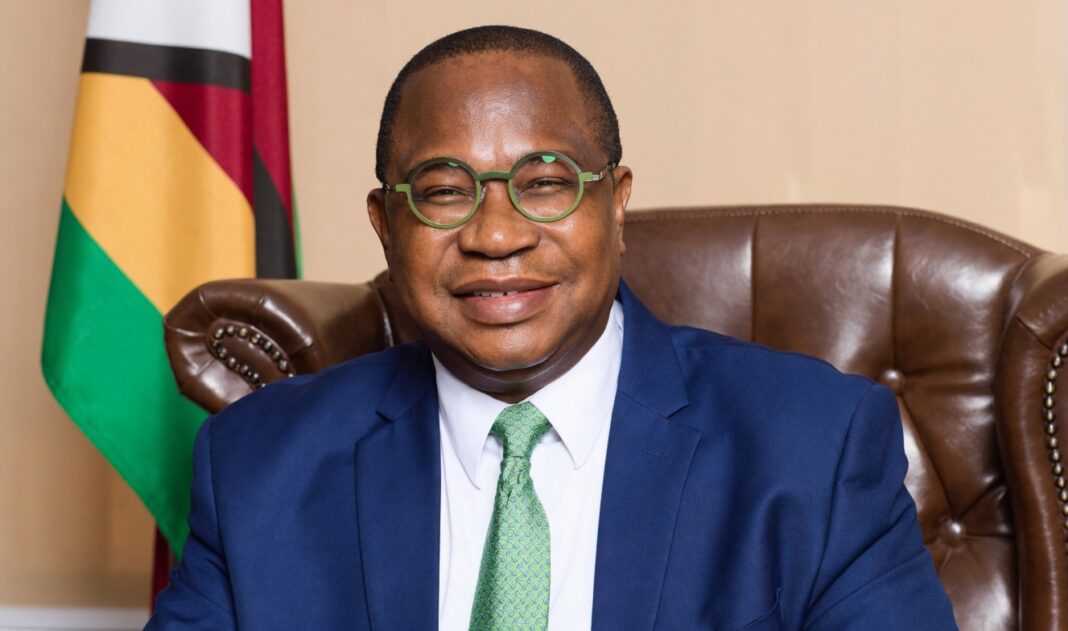
According to the International Monetary Fund (IMF), Zimbabwe’s economy expanded by an estimated 7.5 percent in 2025, surpassing the government’s initial target of 6.6 percent. Finance Minister Mthuli Ncube confirmed the stronger-than-expected performance during a briefing on the sidelines of the IMF-World Bank Spring Meetings, stating, “We did better than the 6.6 percent for sure.”
The figures, published in the IMF’s latest World Economic Outlook, have been presented by authorities as evidence of economic recovery and improved fiscal discipline. However, critics argue that the growth is narrowly concentrated in extractive sectors such as gold, platinum, and lithium—industries that generate limited employment and whose benefits rarely trickle down to the broader population.
Permanent Secretary George Guvamatanga reported that government revenues in early 2026 exceeded targets by 24 percent, attributing the increase to tighter tax enforcement, border controls, and the rollout of the Zimbabwe Revenue Authority’s digital system, TaRMS.
While officials celebrate improved revenue collection, businesses and informal traders have raised concerns over aggressive taxation in an already constrained economic environment. Analysts warn that squeezing a shrinking formal sector without broadening the productive base could undermine long-term growth.
Inflation, which has long eroded incomes, reportedly declined to 4.4 percent by March 2026, aided by tight monetary policy and improved agricultural output. Yet for many Zimbabweans, the cost of living remains stubbornly high, with wages lagging behind prices in key sectors such as food, transport, and housing.
Opposition economists argue that the reliance on the US dollar continues to limit the government’s monetary policy flexibility, restricting its ability to stimulate inclusive growth or address structural imbalances in the economy.
Despite the upbeat outlook, the IMF projects growth will slow to 5 percent in 2026 and further to 4.2 percent in 2027. Minister Ncube has dismissed concerns over global headwinds, maintaining that strong agricultural performance will continue to support broader economic activity.
However, critics caution that Zimbabwe’s economic fortunes remain highly vulnerable to commodity price fluctuations and climate shocks, particularly given the country’s dependence on mining exports and rain-fed agriculture.
Questions also persist over whether the reported fiscal gains will translate into improved public services, with ongoing challenges in healthcare, education, and infrastructure highlighting the gap between macroeconomic indicators and lived reality.
As the government seeks to leverage the positive IMF assessment to re-engage international lenders, opposition voices insist that genuine recovery must be measured not just by growth figures, but by tangible improvements in employment, incomes, and social welfare for ordinary Zimbabweans.