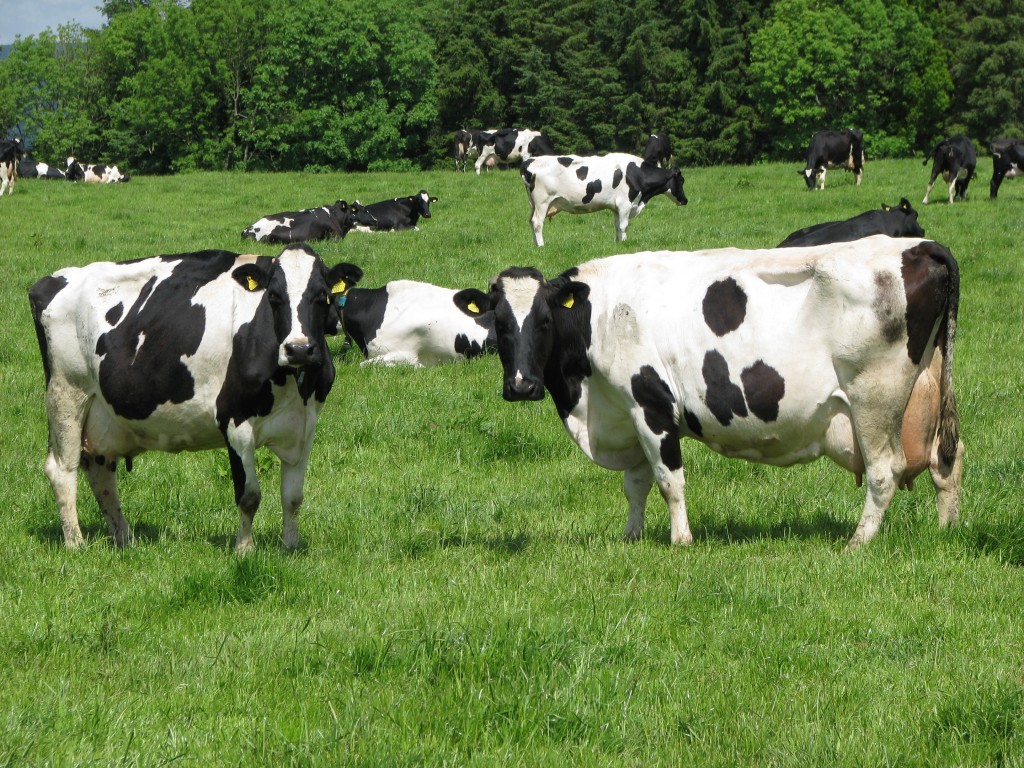
HARARE — Zimbabwe’s commercial dairy industry is extending its recovery, with raw milk production rising 7% to 83.74 million litres in the first eight months of 2026, strengthening prospects for a gradual reduction in the country’s longstanding milk supply deficit.
Data from the Ministry of Agriculture’s Dairy Services Department show that commercial milk production increased from 78.33 million litres between January and August 2025 to 83.74 million litres during the same period this year, adding 5.41 million litres to domestic supply.
The latest increase reinforces a recovery that has been gathering momentum across the dairy industry, although production remains dependent on herd expansion, feed availability, investment and access to finance.
Dairy sector rebuild gathers momentum
Zimbabwe produced 121.85 million litres of commercial raw milk in 2025, up 6.2% from 114.70 million litres in 2024.
Production has now increased by about 85% from the 66 million litres recorded in 2017, pointing to a substantial rebuilding of commercial dairy capacity over the past decade.
The recovery has also been accompanied by growth in the national dairy herd. The commercial dairy herd increased from 65,659 cattle in 2024 to 70,584 in 2025, representing a 7.5% increase.
Analysts who spoke to The Zimbabwe Financial Mail said the combination of higher production and herd growth was more significant than a single year’s increase in milk volumes because it indicated an expansion in the industry’s productive base.
“The important point is that Zimbabwe is not simply producing more milk from an unchanged base. The growth in the dairy herd suggests that producers are rebuilding productive capacity, which provides a stronger foundation for sustained output,” one agricultural economist said.
Industry targets point to narrowing supply gap
The Zimbabwe Association of Dairy Farmers has indicated a commercial milk production target of approximately 134 million litres for 2026, representing growth of about 10% from the 121.85 million litres produced in 2025.
Annual domestic milk requirements are commonly estimated at around 130 million litres. If production reaches the industry’s target, Zimbabwe could therefore move much closer to covering domestic commercial demand from local production.
That would represent an important shift for an industry that has historically struggled to meet national requirements consistently.
A second analyst told The Zimbabwe Financial Mail that the implications extend beyond farmers and processors.
“Closing the milk deficit would have benefits across the agricultural value chain. It means more demand for feed, veterinary services, transport, refrigeration, processing and packaging, while reducing the economy’s reliance on imported dairy products,” the analyst said.
Productivity remains the next challenge
The rise in milk production provides evidence of recovery, but maintaining the trajectory will require more than expanding the national herd.
Dairy farming is particularly sensitive to the cost and availability of feed, electricity, water, veterinary inputs and working capital. Producers also require reliable cold-chain infrastructure because raw milk is highly perishable.
For Zimbabwean farmers, the economics of production are therefore closely connected to the wider business environment. Higher milk volumes will only translate into sustainable profitability if producers can maintain margins while processors and retailers remain competitive.
The growth in the commercial herd nevertheless provides an important platform for productivity improvements.
“The next phase should be about productivity per animal, not simply numbers of cattle. Better genetics, feed management, animal health and irrigation-supported fodder production can allow the industry to increase output without proportionately increasing its cost base,” the agricultural economist said.
Local production could support agro-industrial recovery
The dairy industry’s recovery also fits into a broader effort to rebuild Zimbabwe’s agro-processing base.
Milk provides a domestic raw material for processors producing fresh milk, yoghurt, cheese, butter and other dairy products. A larger and more reliable local supply can therefore support investment further along the value chain.
This is particularly important in an economy where agricultural production remains one of the principal potential sources of domestic industrial inputs.
Greater local milk availability could also help processors plan production more reliably, reduce exposure to international supply disruptions and strengthen relationships between commercial farmers and food manufacturers.
Finance remains critical to expansion
Analysts cautioned that continued growth will require access to appropriately structured agricultural finance.
Dairy farming involves significant upfront capital expenditure, including livestock, milking equipment, refrigeration, irrigation, housing and feed infrastructure. The long production cycle also makes short-term and expensive finance particularly unsuitable for the sector.
“Dairy is fundamentally a capital-intensive agricultural business. If Zimbabwe wants this recovery to become permanent, financing must match the biological and investment cycles of dairy production,” the second analyst said.
That places banks, development-finance institutions and agricultural investment funds at the centre of the industry’s next phase.
Longer-term finance could allow farmers to expand herds, improve genetics and invest in productivity-enhancing infrastructure, while working-capital facilities could help manage seasonal feed and operating requirements.
From recovery to self-sufficiency
The latest production figures suggest that Zimbabwe’s dairy industry is moving from stabilisation towards a more ambitious phase of expansion.
The increase from 78.33 million litres to 83.74 million litres in the first eight months of 2026 is relatively modest in absolute terms, but it forms part of a broader trend that has seen annual production rise significantly since 2017.
The industry’s ability to reach approximately 134 million litres this year will be an important test. If achieved, Zimbabwe would be approaching the estimated level of domestic annual requirements and could begin shifting the conversation from managing shortages towards building a competitive dairy value chain.
For an economy seeking to strengthen domestic production, that distinction matters. The ultimate objective is not simply to produce more milk, but to create a commercially sustainable agricultural and industrial ecosystem capable of generating income, employment, investment and locally produced food.
Zimbabwe’s dairy recovery is therefore becoming a useful measure of whether domestic agriculture can once again provide the raw materials required to support a broader manufacturing and agro-processing revival.