

The United States District Court for the District of Columbia has delivered a significant legal victory to the von Pezold and Border Timbers claimants, granting summary judgment to enforce International Centre for Settlement of Investment Disputes (ICSID) arbitration awards against the Republic of Zimbabwe arising from land expropriations during the Fast Track Land Reform Programme.
In a memorandum opinion issued on 24 July 2026, Judge Amit P. Mehta rejected Zimbabwe’s legal arguments challenging the enforcement of the awards, ruling that the arbitration decisions are enforceable in the United States under Article 54 of the ICSID Convention and the implementing provisions of US law (22 U.S.C. §1650a).
The ruling effectively transforms the ICSID awards into enforceable judgments of a United States federal court, representing another major legal setback for Zimbabwe in its long-running international dispute over compensation for land protected under bilateral investment treaties.
The dispute dates back to arbitration proceedings initiated in 2010 by the von Pezold family and Border Timbers, who argued that Zimbabwe unlawfully expropriated their commercial farming and forestry assets without compensation. The ICSID tribunal ruled in their favour and ordered Zimbabwe either to restore the properties or pay substantially higher compensation after the government failed to return the land within the prescribed period.

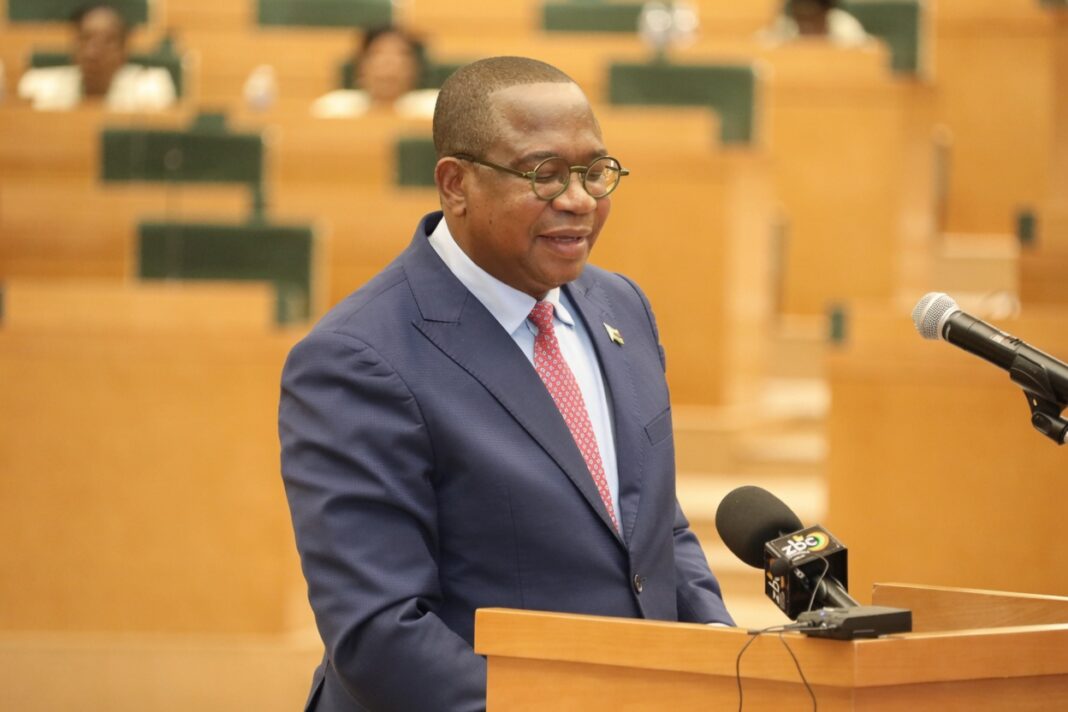
Judge Mehta (picture) dismissed Zimbabwe’s contention that its domestic State Liabilities Act prevented enforcement, making a crucial distinction between recognition of a judgment and execution against assets. The court held that Zimbabwe’s domestic legislation could not prevent a US court from recognising and enforcing an ICSID award, although questions relating to the attachment or seizure of sovereign assets would arise only during subsequent enforcement proceedings.
The court also rejected Zimbabwe’s other defences, including arguments relating to standing, set-off claims and jurisdiction. It directed both parties to submit a draft final judgment reflecting the tribunal’s damages, interest calculations and costs, with certain technical adjustments, including replacing the now-defunct USD LIBOR benchmark with the SOFR interest rate.
What happens next?
The judgment does not automatically mean Zimbabwean government assets in the United States will immediately be seized. Recognition of the award and execution against sovereign assets are separate legal processes.
However, the federal judgment gives the claimants a much stronger legal platform to pursue enforcement against commercial assets belonging to Zimbabwe that may be subject to attachment under US law and the Foreign Sovereign Immunities Act. Similar judgments may also strengthen enforcement efforts in other jurisdictions that recognise ICSID awards.
What about contempt of court?
Claims that Zimbabwe or its officials automatically face contempt proceedings if payment is not made are premature.
The memorandum opinion grants judgment in favour of the claimants but does not state that contempt proceedings will automatically follow if Zimbabwe does not pay. Contempt would generally arise only if Zimbabwe failed to comply with a specific court order after additional enforcement proceedings, and any such action would depend on future litigation.
Why this matters
This ruling carries significance well beyond the US$250 million at stake.
It reinforces the principle that ICSID arbitration awards are enforceable across jurisdictions that are parties to the ICSID Convention. For Zimbabwe, the decision underscores the continuing legal and financial consequences of unresolved bilateral investment treaty claims linked to land reform.

The judgment may also influence investor perceptions of Zimbabwe’s sovereign risk. International investors and lenders closely monitor whether governments honour arbitration awards, as compliance is widely regarded as an indicator of respect for the rule of law and the protection of foreign investment.
While the ruling does not immediately result in asset seizures or sanctions against Zimbabwean officials, it substantially strengthens the claimants’ legal position and increases the pressure on the government either to negotiate a settlement or face potentially lengthy enforcement actions in jurisdictions where Zimbabwe holds commercial assets.