
The global artificial intelligence revolution is often presented as a battle of algorithms, large language models and advanced computing capabilities. However, beneath every AI breakthrough lies a less visible but far more fundamental reality: AI is an infrastructure-intensive technology.
By Brighton Musonza
For Africa, the conversation around artificial intelligence cannot be separated from the continent’s ability to build, own and control the digital infrastructure that powers it. Data centres, fibre networks, cloud platforms, cybersecurity systems and high-performance computing facilities are no longer simply telecommunications assets. They are becoming strategic national infrastructure, similar to roads, electricity grids, ports and financial systems.
The future of African competitiveness will depend not only on how effectively the continent adopts AI, but on whether it develops the infrastructure capacity to participate meaningfully in the global digital economy.
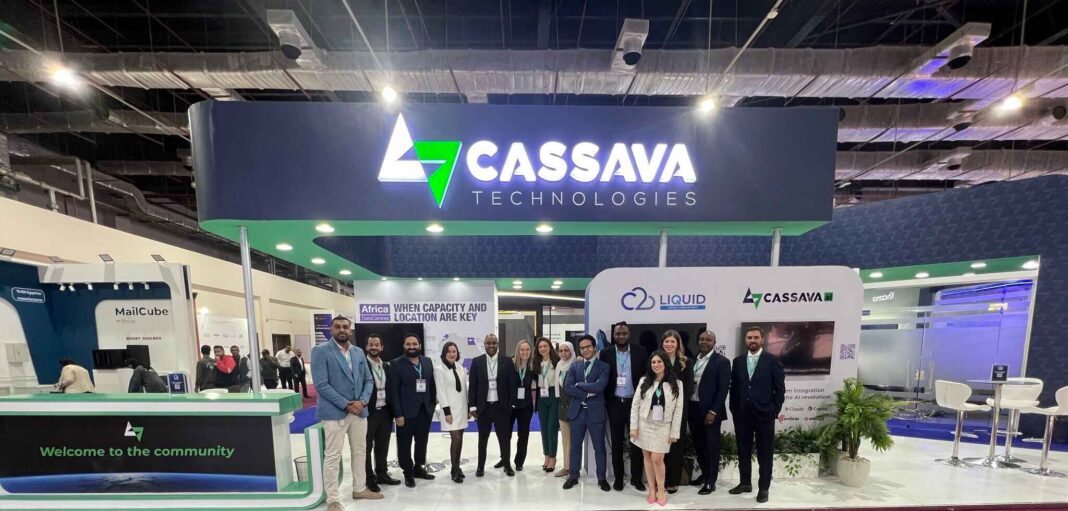
This was one of the central messages emerging from discussions at CCT Africa, where senior executives from Cassava Technologies highlighted the urgent need for Africa to rethink digital infrastructure as the foundation of economic sovereignty.
Executives including Ziaad Suleman, SVP and CEO South Africa & Botswana, Marco Gagiano, SVP Global Head of Connectivity & C2, and Vinay Hiralall, Chief Commercial Officer at Liquid Intelligent Technologies, emphasised that Africa’s digital transformation cannot be achieved through software adoption alone. It requires a physical backbone capable of supporting the next generation of computing.
AI Begins With Infrastructure, Not Algorithms
The excitement surrounding AI has created the impression that the future belongs exclusively to companies developing advanced models and applications. While algorithms remain important, AI systems ultimately depend on massive computing power, reliable electricity, high-speed connectivity and secure data storage.
A country without sufficient data centre capacity or affordable high-speed connectivity risks becoming merely a consumer of foreign AI technologies rather than a producer of indigenous solutions.
This challenge is particularly important for Africa, where many countries still depend heavily on international cloud providers and overseas data infrastructure. When African data is processed, stored and managed outside the continent, questions emerge around data sovereignty, security, regulatory control and economic value retention.
Digital sovereignty does not mean isolation from global technology networks. Rather, it means having sufficient domestic and regional capacity to make strategic decisions about how data is stored, processed and utilised.
Companies such as Cassava Technologies, through its infrastructure businesses including Liquid Technologies and Econet InfraCo, are positioning themselves at the centre of this transformation by expanding fibre networks, data centres, cloud capabilities and connectivity ecosystems across Africa.
The investment challenge is significant. AI workloads require specialised infrastructure, including advanced GPUs, high-density computing environments and reliable energy systems. Unlike traditional internet services, AI applications consume substantially more computing resources, making the availability of local processing capacity increasingly important.
From Telecommunications Companies to Digital Infrastructure Architects
Africa’s telecommunications sector has historically been viewed through the lens of mobile connectivity. The mobile revolution transformed the continent, allowing millions of people to access financial services, communication platforms and digital services without traditional banking or fixed-line infrastructure.
However, the next phase of Africa’s digital evolution requires a broader approach.
Companies like Econet InfraCo represent a shift from traditional telecom operations towards infrastructure development. The focus is no longer simply connecting customers through mobile networks but building the underlying systems that support cloud computing, artificial intelligence, enterprise technology and smart economies.
The modern digital economy depends on a layered infrastructure ecosystem. Submarine cables bring international capacity to African shores, national fibre networks distribute connectivity across countries, metropolitan networks connect businesses and communities, while data centres provide the computing environment where digital services operate.
Without each layer working together, the promise of AI-driven growth remains limited.
Liquid Technologies’ extensive fibre footprint across multiple African markets demonstrates the importance of regional connectivity. Africa’s digital future cannot be built country by country in isolation. The continent requires interconnected networks that allow businesses, governments and communities to access affordable and reliable digital services across borders.
Africa’s Digital Divide Is Now an Infrastructure Challenge
For years, the digital divide was primarily discussed in terms of internet access. Today, the challenge has become more complex.
The question is no longer only whether people can connect to the internet. The bigger question is whether they can access meaningful digital services powered by advanced technologies such as AI, cloud computing and automation.
A student in rural Zimbabwe, Kenya or Nigeria may technically have internet access, but without affordable broadband, reliable electricity and local digital platforms, the benefits of AI remain out of reach.
The missing link is often referred to as the “middle mile” — the infrastructure connecting major fibre routes and submarine cable landing stations to communities, schools, businesses and government institutions.
Africa has made progress in expanding international connectivity through investments in submarine cables such as Google Equiano and Meta 2Africa. However, the economic benefits of these investments depend on whether countries develop the terrestrial networks required to distribute this capacity inland.
A fibre cable landing on Africa’s coastline does not automatically create digital inclusion. The value comes from extending that connectivity into productive economic activities.
Regional Lessons: Countries Building Digital Infrastructure Strategies
Several African countries demonstrate how infrastructure investment can accelerate digital transformation.
Kenya has emerged as one of Africa’s leading technology ecosystems because of sustained investment in connectivity, digital payments and innovation infrastructure. The growth of Nairobi’s technology sector has been supported by improved broadband networks, data centres and a growing digital entrepreneurship ecosystem.
Rwanda has taken a deliberate approach to digital government and technology adoption, investing in connectivity and positioning Kigali as a regional technology hub. While challenges remain, the country demonstrates how coordinated policy and infrastructure planning can accelerate digital transformation.
South Africa remains the continent’s most advanced digital infrastructure market, with established data centres, financial technology companies and enterprise technology ecosystems. The country has attracted global cloud providers because of its relatively mature connectivity environment.
Nigeria, Africa’s largest economy by population, is also experiencing rapid growth in digital services, driven by fintech, cloud adoption and increasing demand for enterprise technology. However, infrastructure constraints, including power reliability and connectivity costs, remain significant challenges.
These examples show that digital competitiveness is not achieved through technology policy alone. It requires coordinated investment in infrastructure, skills, energy and regulation.
Global Examples: Digital Infrastructure as Economic Power
The importance of digital infrastructure is not unique to Africa. Around the world, countries are competing to develop computing capacity because they recognise that data and AI infrastructure are becoming strategic economic assets.
The United States has strengthened its AI ecosystem through enormous private-sector investment in data centres, semiconductor technology and cloud computing infrastructure. Companies such as Microsoft, Amazon Web Services and Google have built global cloud networks that underpin modern digital services.
China has pursued a national strategy focused on expanding computing infrastructure, artificial intelligence capability and domestic technology ecosystems. Its “East Data, West Computing” initiative seeks to optimise national computing resources by linking data centres across regions.
Europe has placed increasing emphasis on digital sovereignty, recognising the risks of excessive dependence on external technology providers. Initiatives around European cloud infrastructure and data governance reflect a broader global debate about who controls digital assets.
Africa’s challenge is therefore part of a wider global competition. The nations that control digital infrastructure will increasingly influence the direction of the future economy.
Regulation Must Move From Taxation to Digital Growth
One of the biggest barriers to Africa’s digital transformation is not technology but policy.
Governments across the continent face the temptation to view telecommunications infrastructure primarily as a source of taxation revenue. While fiscal sustainability is important, excessive taxes and regulatory burdens can increase the cost of connectivity and slow infrastructure investment.
Connectivity should increasingly be viewed as an economic multiplier rather than simply a taxable service.
A more collaborative regulatory approach between governments and private-sector infrastructure providers would accelerate investment, improve affordability and expand digital inclusion.
The countries that succeed will be those that create environments where infrastructure companies can invest confidently while governments provide clear rules around competition, data protection, cybersecurity and innovation.
The Next African Economic Revolution Will Run on Digital Infrastructure
Africa’s AI opportunity is enormous. The continent has a young population, growing entrepreneurial ecosystems, abundant renewable energy potential and significant demand for digital solutions across agriculture, healthcare, finance, education and government.
However, ambition without infrastructure will not deliver transformation.
The next generation of African economic growth will depend on whether the continent can build the digital foundations required for artificial intelligence, automation and advanced computing.
Companies such as Cassava Technologies, Econet InfraCo and Liquid Technologies represent an important evolution in Africa’s technology journey — from providing connectivity to building the infrastructure architecture of the future.
The fibre cables being laid today, the data centres being developed and the cloud platforms being expanded are not simply technology investments. They are the foundations of Africa’s future economic sovereignty.
The AI race will not only be won by those who create the smartest algorithms. It will also be won by those who build the strongest digital foundations. For Africa, the infrastructure being built today will determine whether the continent becomes a participant, a partner or merely a consumer in the next industrial revolution.