HARARE – Zimbabwe’s central bank has ruled out compulsory conversion of foreign currency deposits and existing contracts into the domestic currency, signalling that the country’s transition towards a single-currency economy will be gradual and determined by market conditions rather than administrative deadlines.
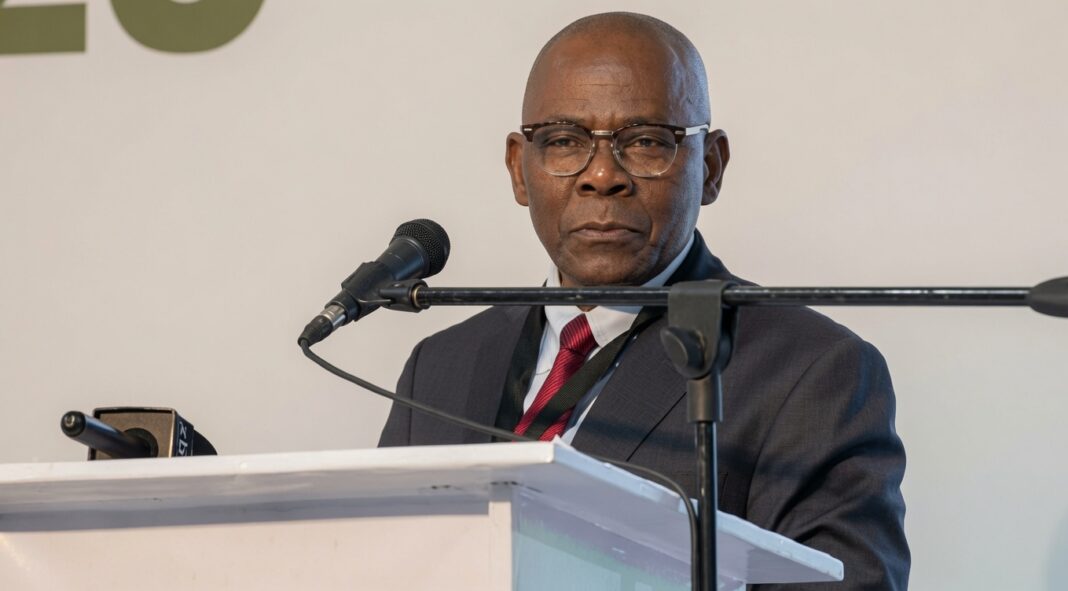
Reserve Bank of Zimbabwe (RBZ) Deputy Governor Dr Innocent Matshe said the authorities would not rush to dismantle the multicurrency system, insisting that the transition would depend on meeting eight publicly announced economic and monetary preconditions.
His remarks offer reassurance to businesses, financial institutions and investors concerned about the security of US dollar-denominated assets as Zimbabwe pursues its longer-term ambition of establishing the Zimbabwe Gold (ZiG) as the country’s sole currency.
Matshe emphasised that the central bank was continuously monitoring progress against the eight benchmarks and that the transition would proceed only when the necessary conditions had been satisfied.
The commitment to honour existing contracts and foreign currency deposits is particularly significant in an economy where the US dollar remains central to commercial transactions, savings and corporate financial planning.
Zimbabwe’s previous episodes of currency instability have made confidence in monetary policy a critical consideration for businesses deciding whether to hold local-currency assets or extend credit in ZiG.
Dr. Innocent Matshe Deputy Governor, Reserve Bank of Zimbabwe said Zimbabwe’s transition towards a mono-currency system will be gradual and market-driven, with no rush to abandon the multicurrency framework.
He emphasised that the process will be guided by eight publicly announced preconditions, which are being monitored continuously, and assured stakeholders that existing contracts and foreign currency deposits will be honoured, with no forced conversion into local currency.
— Nick Mangwana (@nickmangwana) October 28, 2026
The latest assurances suggest that the central bank recognises the importance of preserving contractual rights and maintaining depositor confidence while strengthening the domestic currency’s role in the economy.
From a monetary policy perspective, the transition presents a complex challenge. A credible single-currency system requires more than administrative restrictions on foreign currency usage; it depends on sustained macroeconomic stability, confidence in domestic financial institutions and the willingness of economic agents to transact and save in local currency.
The gradual approach also gives banks and businesses greater scope to manage currency exposures without the immediate disruption that could accompany compulsory conversion.
For investors, the central question is whether improvements in monetary stability can translate into deeper ZiG-denominated financial markets, greater demand for local-currency credit and a more predictable environment for long-term capital investment.
Matshe’s remarks indicate that the RBZ intends to make progress against its established preconditions, rather than a fixed timetable, the determining factor in the eventual transition.
The policy challenge now lies in converting those assurances into sustained market confidence, allowing the ZiG to gain wider acceptance through economic fundamentals rather than compulsion.