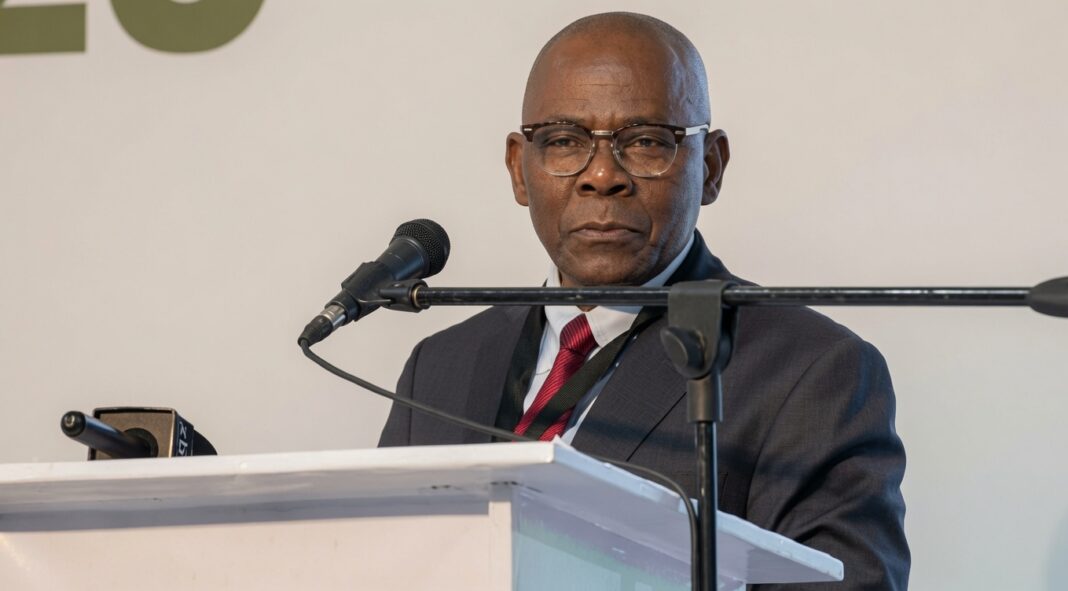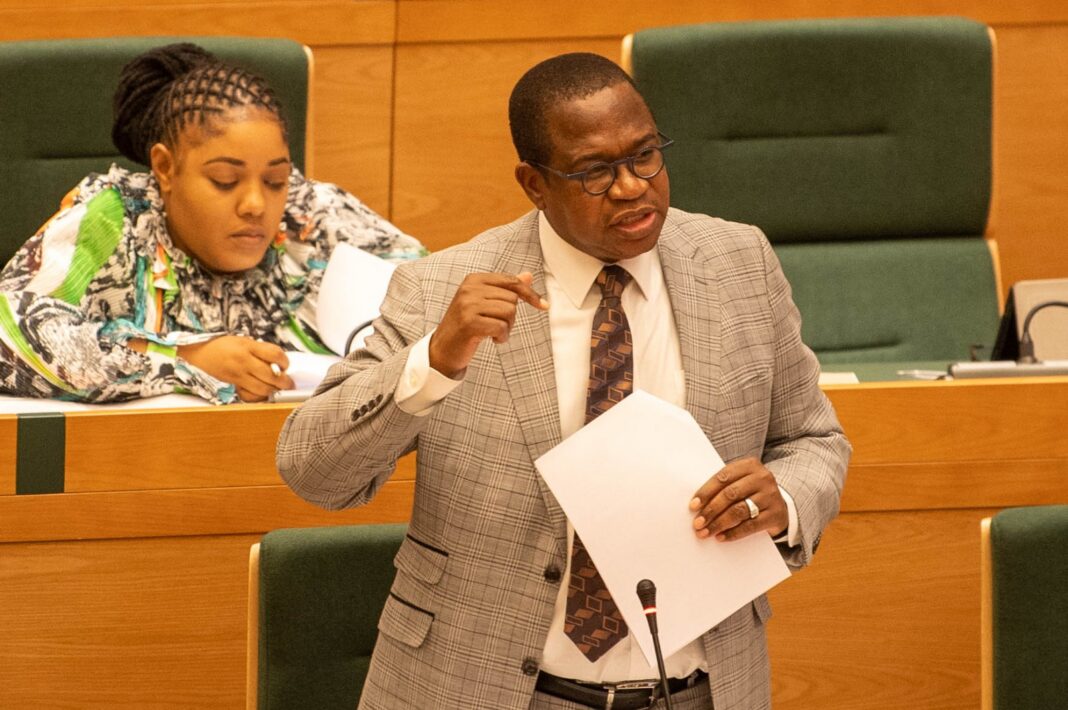
HARARE – Zimbabwe is targeting economic growth of 3.5 percent in 2027 while maintaining its budget deficit below 3 percent of gross domestic product, as Finance Minister Mthuli Ncube seeks to consolidate macroeconomic stability and accelerate investment in infrastructure, agriculture and industrial development.
Addressing the Parliament’s 2027 Pre-Budget Seminar Ncube said the 2027 National Budget would be anchored on the country’s second National Development Strategy (NDS2) and Vision 2030, with fiscal consolidation, structural transformation and inclusive economic growth forming the foundation of government spending priorities.
The growth forecast assumes continued macroeconomic stability, strong mineral exports, improvements in the business environment and an easing of geopolitical tensions affecting global trade and investment.
The government’s fiscal position has strengthened during 2026, with revenue collections exceeding expenditure over the first nine months of the year, producing a cumulative budget surplus.
Ncube expects annual revenue collections to surpass their original target, supported by stronger receipts from value-added tax, corporate income tax, Pay As You Earn, excise duties and customs revenue.
The Treasury attributes the improved performance to greater macroeconomic stability, enhanced tax administration and digitalisation initiatives undertaken by the Zimbabwe Revenue Authority (ZIMRA).
The fiscal surplus provides the government with some room to finance development programmes while limiting additional borrowing, although the sustainability of the position will depend on expenditure discipline and the strength of future revenue collections.
Economic analysts generally regard fiscal consolidation as an important component of Zimbabwe’s monetary stabilisation programme, particularly given the historical relationship between government financing requirements, monetary expansion and exchange-rate instability.
Maintaining expenditure within available resources could help reduce pressure on domestic liquidity and reinforce the Reserve Bank of Zimbabwe’s efforts to preserve confidence in the Zimbabwe Gold (ZiG) currency.
However, fiscal restraint also presents a policy dilemma for an economy requiring substantial investment in electricity generation, transport infrastructure, housing, healthcare and education.
Ncube indicated that the 2027 spending framework would prioritise infrastructure and housing development, agricultural productivity, food security and climate resilience alongside science, technology and digital transformation.
Other priorities include human capital development, employment creation, devolution, social protection, governance and national security.
The emphasis on infrastructure and productive sectors reflects the government’s ambition to shift economic growth towards investment-led expansion, reducing dependence on consumption and improving the economy’s capacity to generate exports and employment.
Strong mineral exports are expected to remain a significant contributor to growth, although reliance on commodity earnings leaves the economy exposed to fluctuations in international prices and global demand.
For businesses and investors, the credibility of the 2027 fiscal framework will depend on whether government can sustain revenue growth, contain recurrent expenditure and direct more resources towards projects capable of improving productivity.
The projected 3.5 percent expansion also raises questions about the pace of Zimbabwe’s structural transformation, particularly whether growth can translate into stronger formal employment, industrial capacity and improvements in household incomes.
While the Treasury’s revenue performance suggests improving fiscal management, the broader economic test will be whether macroeconomic stability can unlock private investment, deepen domestic credit markets and support sustained productive activity.
Ncube’s proposed budget therefore represents an attempt to balance fiscal restraint with development spending as Zimbabwe advances towards its ambition of becoming an upper-middle-income economy by 2030.
The success of that strategy will ultimately depend less on the size of government allocations than on the effectiveness of public investment, policy consistency and the private sector’s willingness to commit long-term capital.