
HARARE — Zimbabwe’s Government has signalled a decisive policy shift towards integrating the informal sector into the mainstream economy, rejecting longstanding perceptions that equate informality with illegality or economic dysfunction.
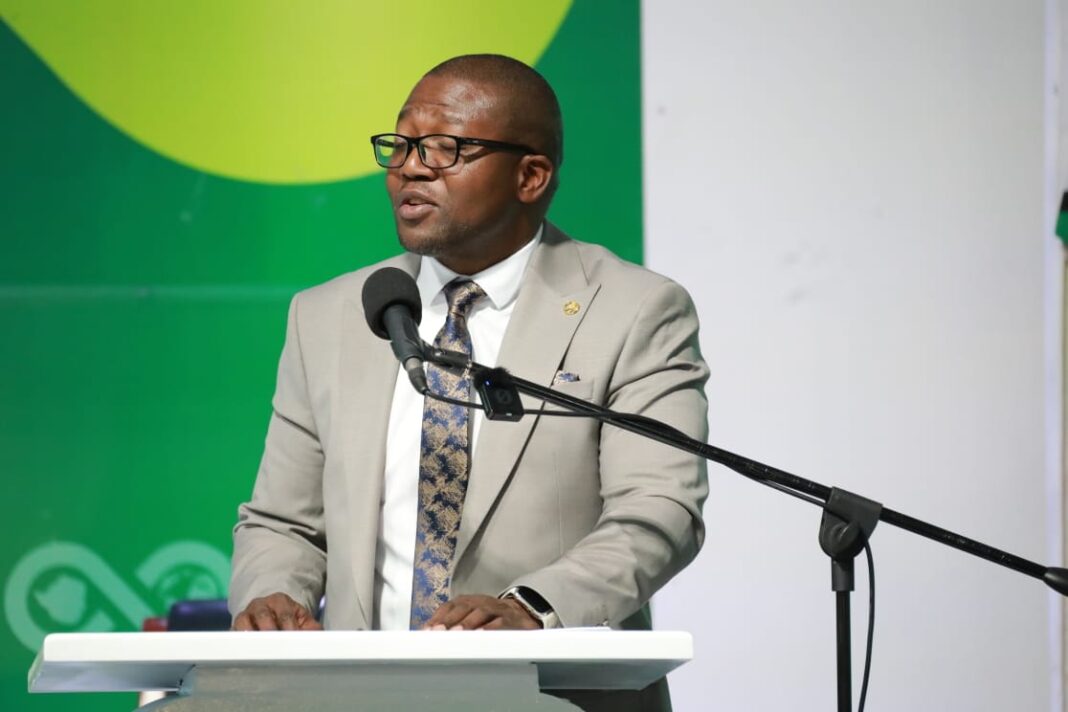
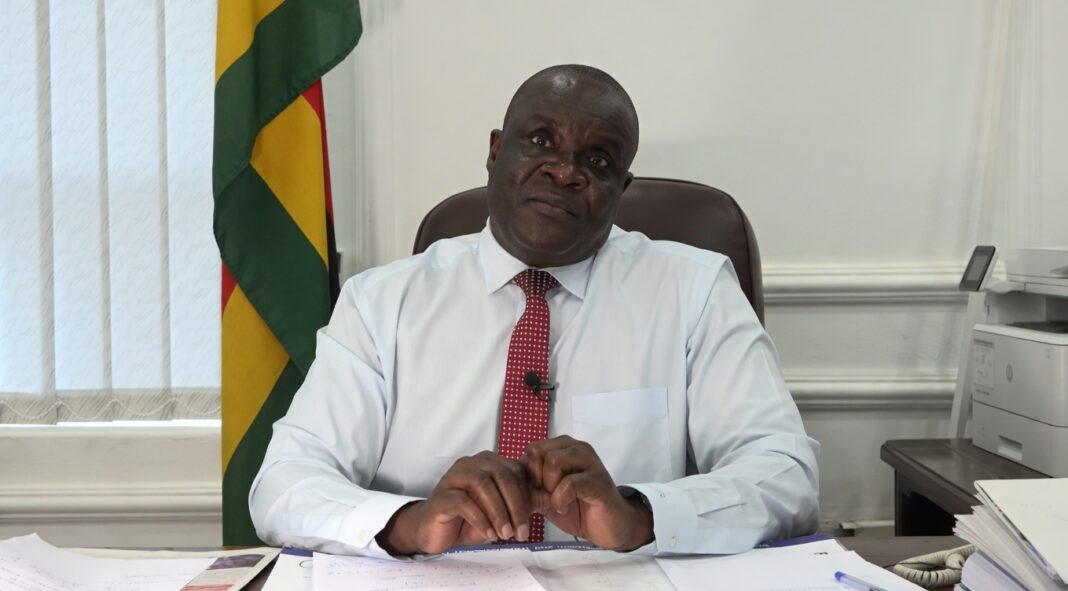
Presidential spokesperson George Charamba said newly approved policy frameworks are designed to reposition the informal economy as a legitimate and productive component of national development.
Cabinet recently adopted two key instruments—the National Formalisation Strategy and the National Employment Policy (2026–2030)—which aim to formalise informal enterprises, expand decent employment, and strengthen economic resilience in line with Vision 2030 targets.
From Criminalisation to Integration
Charamba emphasised that informality should be understood as an inherent feature of economic systems rather than a structural flaw.
“There has been a tendency to present the informal sector as a problem simply because it accounts for a significant share of economic activity,” he said. “In reality, informality exists in all economies and reflects how people respond to opportunities within their environment.”
He argued that even advanced economies such as the United Kingdom and the United States exhibit forms of informal economic activity, challenging the notion that informality is synonymous with underdevelopment.
“What is backward is not informality itself, but the failure to integrate it effectively into the broader economy,” Charamba noted.
Economic Contribution and Growth Potential
Zimbabwe’s informal sector accounts for more than half of economic activity and remains a critical source of livelihoods, particularly in retail, services, manufacturing, and small-scale production.
Authorities now view the sector as a potential driver of value creation, entrepreneurship, and inclusive growth, especially as the economy undergoes structural transformation across mining, agriculture, and manufacturing value chains.
Charamba indicated that informality often reflects rational economic choices by individuals identifying market gaps and providing goods or services outside rigid formal structures.
“You cannot criminalise innovation and survival strategies. These are economic actors responding to real demand,” he said.
Policy Focus: Linkages, Formalisation, and Taxation
The Government’s approach centres on creating linkages between the formal and informal sectors, enabling smoother integration into supply chains while improving productivity and market access.
At the same time, authorities are exploring fiscal mechanisms to bring informal businesses into the tax net without undermining their viability.
“The key challenge is to design a taxation framework that reflects how the informal sector operates,” Charamba said, adding that the absence of such mechanisms does not negate the sector’s legitimacy.
Strategic Outlook
The policy shift comes as Zimbabwe advances its National Development Strategy 2 (NDS-2), with an emphasis on industrialisation, resource beneficiation, and inclusive economic participation.
Analysts say successful integration of the informal sector could broaden the tax base, improve labour standards, and enhance overall economic efficiency.
With informal activity expected to expand alongside industrial growth, policymakers face the task of ensuring that the sector evolves from a parallel economy into a fully recognised engine of national development.