HARARE – Zimbabwe’s annual inflation rate for goods and services priced in United States dollars slowed to 3.22% in October 2026, down from 3.46% in September, offering further evidence of easing price pressures in an economy where the US dollar remains central to commercial transactions.
Figures published by the Reserve Bank of Zimbabwe (RBZ) show that monthly US dollar inflation declined to 0.11% in October from 0.28% in September, reflecting a moderation in the pace at which consumer prices are increasing.
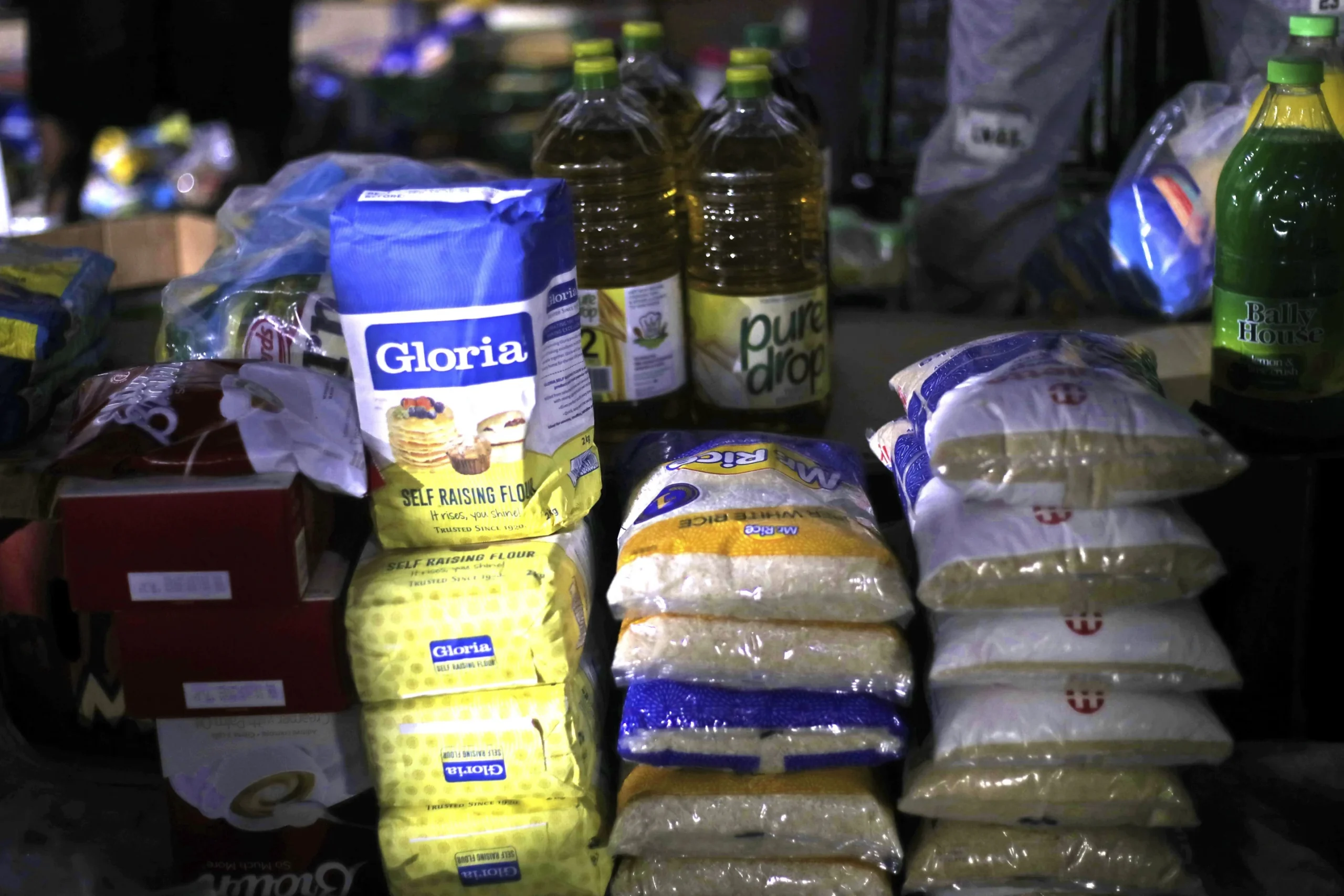
The latest data also show that food prices fell marginally during the month, helping to contain overall inflation despite continued increases in non-food costs.
According to the central bank’s published statistics, the US dollar Consumer Price Index (CPI) stood at 126.11 in October, while annual food inflation was recorded at 2.60%.
Food prices declined by 0.12% month on month, contrasting with a 0.10% increase in non-food prices. Annual non-food inflation remained comparatively higher at 3.51%.
The figures suggest that Zimbabwe’s US dollar-denominated consumer market is experiencing relatively subdued price increases, although inflation remains positive and the cost of living continues to place pressure on household purchasing power.
Food Prices Provide Relief as Inflation Moderates
The decline in monthly food prices is particularly significant for households because food expenditure accounts for a substantial share of disposable income, especially among lower-income consumers.
From an economic perspective, falling monthly food prices can moderate headline inflation even when other consumer goods and services continue to become more expensive.
However, the October figures do not necessarily indicate a sustained decline in the overall cost of living. Annual food inflation of 2.60% means that food prices, taken together, remain higher than they were a year earlier.
For businesses, the moderation in inflation could improve short-term planning by reducing uncertainty surrounding procurement costs, inventory management and consumer pricing.
Retailers and manufacturers operating in the US dollar economy may benefit from more predictable pricing conditions, although their profitability will continue to depend on electricity costs, transport expenses, financing conditions and consumer demand.
Inflation Figures Strengthen the Monetary Stability Debate
Zimbabwe’s latest inflation figures also provide an important reference point for policymakers seeking to consolidate monetary stability while gradually strengthening confidence in the Zimbabwe Gold currency, commonly known as ZiG.
The RBZ’s published September statistics placed annual ZiG inflation at 3.70%, with monthly inflation at 0.54%.
The September figures therefore showed relatively low annual inflation in both the domestic and US dollar pricing systems, although the two currencies continued to experience different monthly price movements.
The October US dollar inflation reading adds to evidence of moderating price pressures, but it cannot, on its own, establish that the same trend continued in ZiG-denominated prices during October.
Economic analysis of the figures suggests that the next challenge for monetary authorities will be maintaining price stability while encouraging productive investment, improving credit availability and strengthening the domestic currency’s usefulness in everyday transactions.
A sustained period of low inflation could help businesses make longer-term investment decisions, particularly where pricing uncertainty has historically discouraged capital expenditure.
Nevertheless, price stability alone cannot resolve Zimbabwe’s wider structural challenges, including limited access to affordable finance, infrastructure constraints and the need to expand domestic production.
Businesses Look Beyond Inflation to Demand and Financing
For Zimbabwean companies, lower inflation is generally welcome, but its commercial significance depends on whether households experience corresponding improvements in real incomes and spending power.
A slower increase in consumer prices does not automatically translate into stronger sales volumes.
Businesses must also contend with the availability and cost of credit, working capital requirements and the competitive pressures associated with imported goods.
From a financial-market perspective, sustained monetary stability could support investor confidence by improving the predictability of operating costs and future cash flows.
It could also strengthen the environment for longer-term lending, although actual borrowing costs will remain influenced by monetary policy, banking-sector liquidity, credit risk and Zimbabwe’s wider sovereign-risk profile.
RBZ Maintains Focus on Financial Innovation
Separately, the Reserve Bank has reiterated its commitment to monitoring financial technology developments as innovation transforms Zimbabwe’s financial services sector.
The central bank says emerging technologies are creating new business models and opportunities while introducing risks that could affect financial stability and monetary policy.
It is consequently pursuing an interagency approach to assessing fintech developments and encouraging responsible experimentation within controlled regulatory environments.
The policy direction reflects the growing importance of digital financial services in supporting payments, financial inclusion and commercial activity.
For Zimbabwe, the longer-term test will be whether monetary stability, financial innovation and improved access to credit can translate into stronger productivity, private-sector investment and sustainable economic growth.
The October inflation figures offer encouraging evidence of easing US dollar price pressures. Whether that stability translates into meaningful economic gains will depend increasingly on developments beyond the consumer price index.