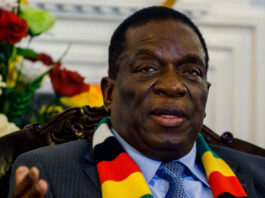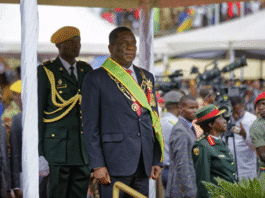
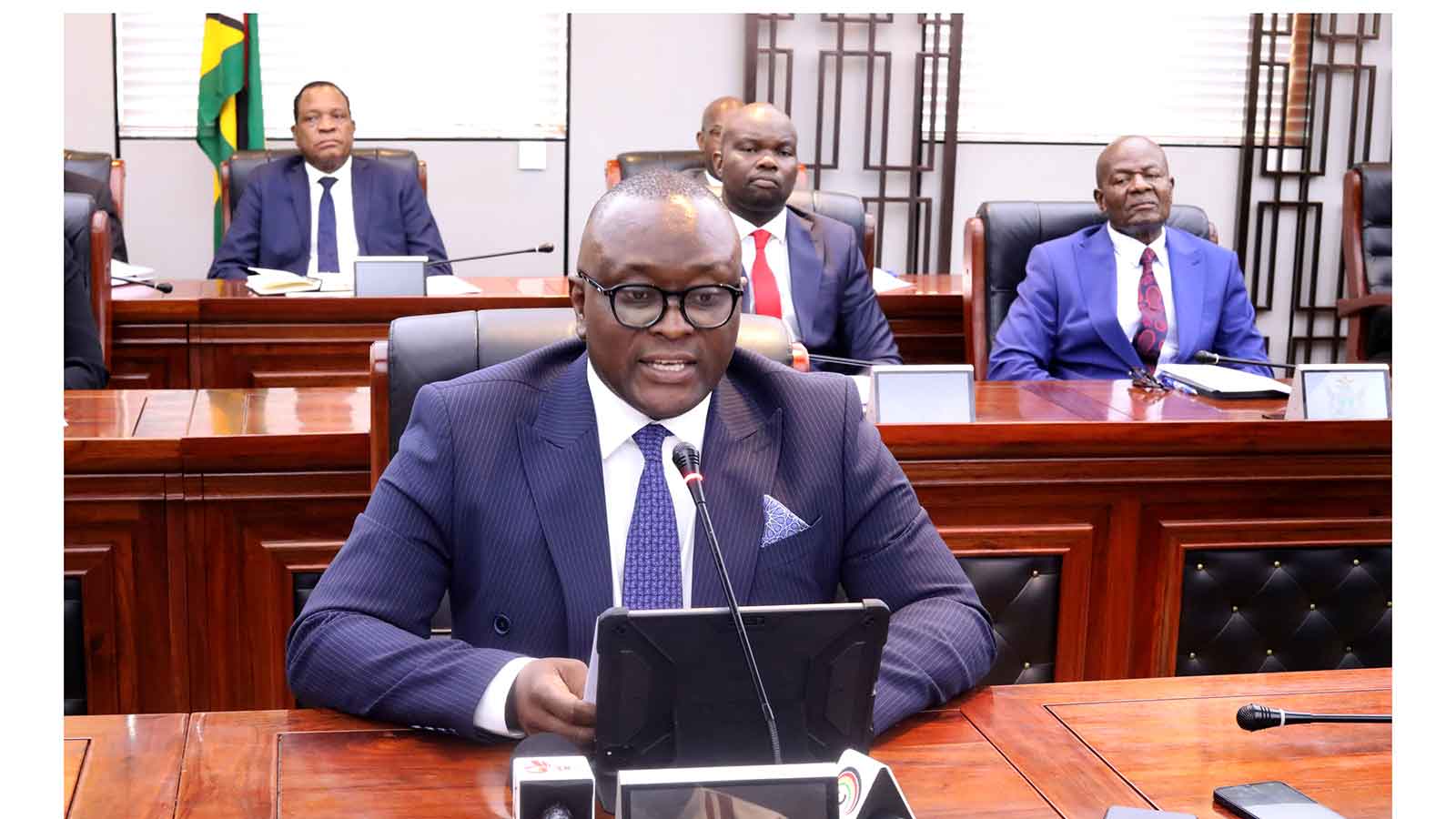
HARARE — President Emmerson Mnangagwa’s latest cabinet reshuffle is more than a routine administrative adjustment—it is a calculated political manoeuvre designed to tighten control over key ministries and secure loyalty within ZANU-PF as Zimbabwe navigates economic strain and growing public scrutiny.
Dr. Jenfan Muswere has been appointed Minister of Skills Audit and Development, placing him at the centre of workforce planning and national skills enhancement initiatives. Prof. Paul Mavima takes over the politically sensitive Ministry of National Housing and Social Amenities, charged with tackling Zimbabwe’s chronic housing shortages and overseeing social infrastructure projects, a portfolio long linked to public perception of government efficiency.
Meanwhile, Dr. Zhemu Soda assumes the Ministry of Information, Publicity and Broadcasting Services, controlling state communications and media narratives—a role critical for managing both domestic opinion and Zimbabwe’s international image.
Legal analysts note the reshuffle, enacted under Section 104(1) of the Constitution, gives the president constitutional cover while allowing him to strategically install trusted allies in positions that directly influence policy delivery and public sentiment. Observers say these appointments are indicative of Mnangagwa’s awareness of factional tensions within ZANU-PF and his intent to consolidate power by placing loyalists in ministries that serve as levers of both governance and political optics.
“This is not just about performance; it’s about control,” one political analyst said. “Housing, media, and skills development are all portfolios that touch citizens’ daily lives and the party’s image. By repositioning key figures, Mnangagwa is shoring up influence ahead of the next political cycle.”
The move also comes amid mounting economic pressures, public dissatisfaction with service delivery, and the government’s ongoing efforts to project stability to foreign investors. The reshuffle is therefore seen as both a preemptive measure against internal party rivalries and a signal of the administration’s prioritisation of loyalty, visibility, and narrative control.
The newly appointed ministers are expected to assume office immediately, with all eyes on how swiftly and effectively they can implement policies in line with Mnangagwa’s developmental and political agenda.