JOHANNESBURG – African governments risk surrendering billions of dollars in potential economic value to foreign technology providers unless they accelerate investment in locally controlled artificial intelligence infrastructure, a senior Cassava Technologies executive has warned.
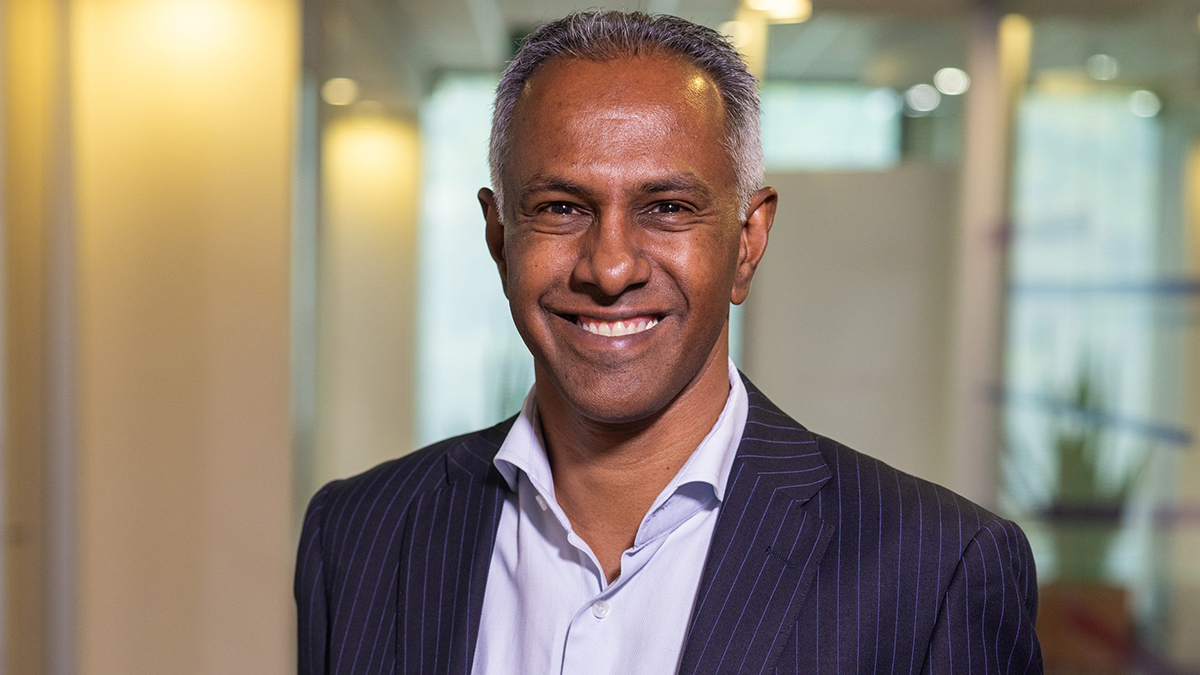
Ziaad Suleman, Senior Vice President at Cassava Technologies and Chief Executive Officer for South Africa and Botswana, said the continent must move beyond consuming imported digital services and develop the computing capacity needed to process sensitive information, train AI models and retain more of the economic benefits generated by its data.
African governments produce substantial volumes of information through healthcare systems, tax administration, education, land registries and public services. However, much of the infrastructure used to process and analyse that information is located outside the continent.
The growing adoption of artificial intelligence could deepen this dependence as governments and businesses increasingly rely on foreign cloud platforms for advanced computing services.
Research firm Gartner forecasts that 35 percent of countries will be locked into region-specific AI platforms using proprietary data by 2027, compared with 5 percent at the time of its forecast, highlighting the growing importance of national control over digital infrastructure.
For African economies, the shift presents both a commercial opportunity and a strategic risk.
Suleman argues that countries investing in domestic computing infrastructure could capture more value from AI development while reducing their dependence on overseas technology providers.
“Data sovereignty is far more than a cyber security or technology capability issue; it’s about ensuring that models trained on African data don’t transfer economic value out of the continent,” Suleman said in a commentary on Africa’s digital future.
The argument reflects a broader debate over whether African countries can develop competitive AI industries without owning or controlling the infrastructure on which increasingly valuable digital services operate.
Building such infrastructure requires substantial investment in data centres, high-performance computing, reliable electricity and specialised technical skills.
Suleman said partnerships between governments and private technology companies could help bridge the financing and expertise gap, allowing public institutions to access advanced computing resources while maintaining regulatory oversight.
He also advocated commercial arrangements denominated in local currencies to reduce exposure to exchange-rate volatility, a significant consideration for African governments purchasing technology services priced in US dollars.
Beyond data protection, locally hosted AI systems could improve public administration by enabling faster processing of applications, automated record management and more responsive citizen services.
Potential applications include healthcare administration, education, municipal permits and social grant processing.
South Africa’s MomConnect maternal health programme demonstrates how digital technology can expand access to public services, although it is not itself evidence that sovereign AI infrastructure will deliver comparable results.
The economic case also extends to employment and skills development.
Suleman warned that limited access to advanced computing resources could encourage African AI researchers and engineers to seek opportunities overseas, weakening the continent’s ability to develop its own technology industry.
Greater investment in domestic infrastructure could provide universities, startups and research institutions with the computing capacity required to develop locally relevant applications.
Language accessibility represents another challenge. AI systems designed primarily for English-speaking users risk excluding large sections of Africa’s population, particularly in rural communities where local languages dominate everyday communication.
Suleman called for digital public services that support African languages and remain accessible through technologies including SMS, voice and USSD, rather than relying exclusively on smartphones and internet-based applications.
However, the development of sovereign AI infrastructure will not automatically guarantee economic independence.
African governments will still need to address high capital costs, electricity reliability, procurement transparency, cyber security and the risk of replacing dependence on foreign platforms with expensive domestic monopolies.
The financial sustainability of large computing facilities will also depend on whether sufficient commercial demand emerges to justify investment.
For Cassava Technologies, which operates telecommunications, cloud and digital infrastructure businesses across Africa, the push towards sovereign AI represents a potential growth market as governments reassess their dependence on international technology platforms.
Suleman believes the continent must take a more assertive role in determining how its data is processed and how the resulting economic value is distributed.
Africa’s challenge is no longer simply connecting more people to the digital economy, but ensuring that the infrastructure supporting its next phase of growth creates investment, skills and commercial opportunities within the continent.
As governments accelerate AI adoption, decisions over who owns and operates computing infrastructure could become as consequential as earlier investments in telecommunications networks.