HARARE – Cottco Holdings Limited has proposed voluntarily delisting from the Zimbabwe Stock Exchange (ZSE) as part of a corporate rescue strategy aimed at restructuring its debt, attracting fresh capital and restoring the financial stability of one of the country’s most important cotton businesses.
In a circular issued to shareholders on November 5, the company’s joint corporate rescue practitioners, Farai Chibisa and Ian Mtetwa of Grant Thornton, said the proposed exit would give them greater flexibility to negotiate with creditors, engage prospective investors and reorganise the business without the costs and reporting obligations associated with maintaining a stock exchange listing.
The proposal will be put to shareholders at an extraordinary general meeting on November 26. Approval requires at least 75% of votes cast by shareholders present or represented by proxy, excluding any controlling shareholder, its associates and parties acting in concert. The delisting would still require the necessary corporate rescue and regulatory approvals.
Cottco’s shares have been suspended from trading since November 2014, leaving investors without an exchange-based route to sell their holdings for almost twelve years. The company entered voluntary corporate rescue on May 12, 2026, following financial distress, legacy indebtedness and a sharp reduction in cotton intake after the 2024 El Niño-induced drought.
The financial disclosure position remains a significant concern. Cottco said its latest audited financial statements were for the 2024 financial year, with the 2025 audit still outstanding. The ZSE granted a waiver allowing the circular to be issued without audited financial statements and a reporting accountant’s report, limiting shareholders’ ability to assess the company’s current financial position.
The proposed delisting does not involve an offer to buy out shareholders. If implemented, investors will continue to hold shares in an unlisted public company, with their membership rights preserved, subject to the corporate rescue proceedings and any approved rescue plan. Any future relisting would require a fresh application and cannot be guaranteed.
Mutapa Investment Fund is Cottco’s largest shareholder, with a 37.12% stake, according to the circular. The five largest shareholders collectively hold 69.04% of the issued shares.
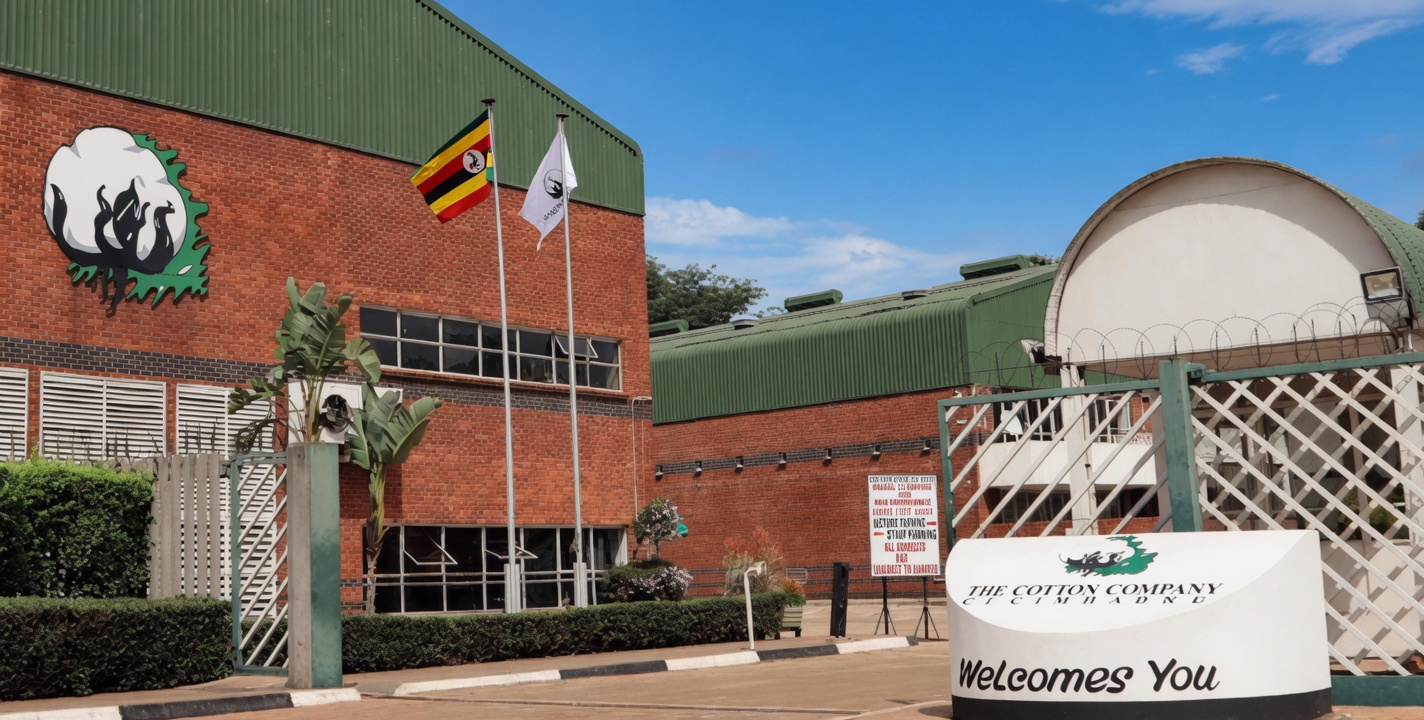
Beyond the stock exchange, the restructuring carries wider implications for Zimbabwe’s agricultural economy. Cottco wholly owns the Cotton Company of Zimbabwe, the country’s largest cotton ginner and marketer, with operations spanning Chiredzi, Chinhoyi, Gokwe, Sanyati, Kadoma and Muzarabani. Its business supports smallholder growers through input provision, agronomic advice, cotton purchasing and ginning, while supplying lint to local and export markets and cotton seed to oil processors and stockfeed producers.
The rescue practitioners say the immediate priority is securing the company’s ability to finance and pay for grower deliveries during the 2027 season. That makes the outcome of creditor negotiations and efforts to attract new investment particularly important for rural incomes, agricultural production and the wider cotton value chain.
The Zimbabwe Mail’s assessment is that delisting may remove an administrative burden and give the rescue team room to negotiate a turnaround, but it is not, in itself, a recovery strategy. The real test will be whether Cottco can secure working capital, restore reliable payments to farmers, rebuild its balance sheet and regain the confidence of commercial lenders and investors.
For Zimbabwe’s cotton industry, the stakes extend beyond one company’s listing status. A sustainable Cottco recovery could help preserve a national network of growers, ginneries, processors and export relationships. Failure to secure the funding needed for the next crop cycle, however, would risk prolonging uncertainty across a value chain that remains important to rural employment and agricultural exports.