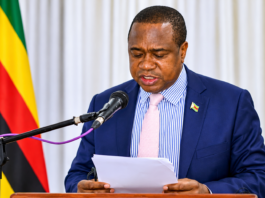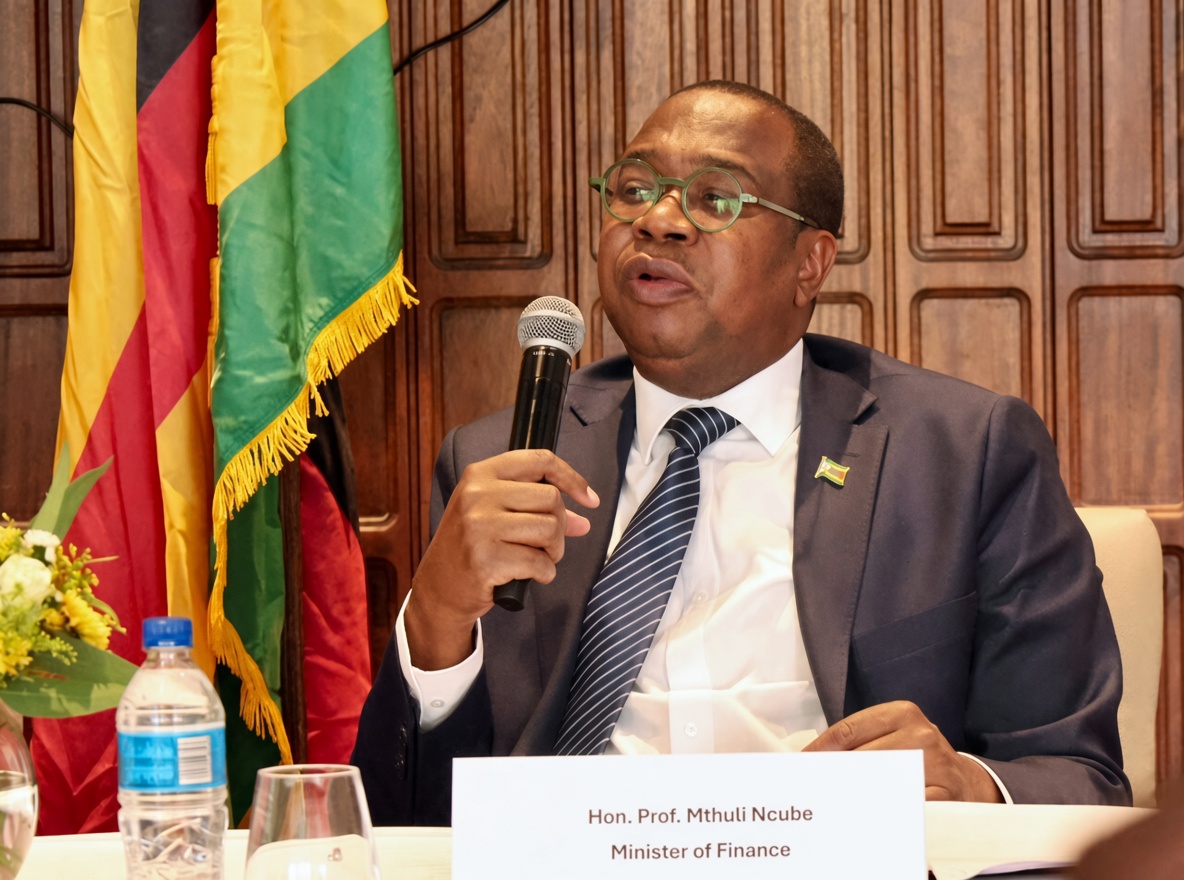
HARARE – Zimbabwe is seeking to deepen trade and investment ties with the United States as Finance Minister Mthuli Ncube urges American businesses to take advantage of opportunities in energy, mining, manufacturing, agriculture and digital services.
The call was made at a Zimbabwe–US trade and investment dialogue convened by the Ministry of Finance in partnership with the American Chamber of Commerce in Zimbabwe and the US Embassy. The engagement also provided a platform for businesses to present their views on priorities for the 2027 National Budget.
Speaking at the forum, Ncube said Zimbabwe had recorded cumulative economic growth of 33.6% between 2021 and 2025, including an expansion of 8.7% in 2025. He said the Government remained focused on maintaining macroeconomic stability and improving the investment environment.
The Minister identified private-sector investment as an important source of capital for expanding productive capacity, creating employment, increasing exports and supporting the country’s Vision 2030 ambitions.
As preparations for the 2027 Budget gather momentum, the Government is prioritising infrastructure development, food security, digitalisation, inclusive growth and structural transformation. Ncube also emphasised fiscal discipline and greater value addition in mining and agro-processing, sectors considered important to Zimbabwe’s export earnings and industrial development.
Infrastructure financing featured prominently in the discussions, with the Minister calling for greater private-sector participation through public-private partnerships, infrastructure bonds and other financing arrangements.
Among the opportunities identified was the proposed 2,500-megawatt Batoka Gorge Hydroelectric Power Project, alongside renewable energy developments, road construction, water infrastructure and logistics. Such projects could provide investment opportunities for international companies while addressing infrastructure constraints affecting business operations.
The Government is also pursuing reforms aimed at reducing the cost and complexity of doing business. These include reviewing licensing fees, removing bureaucratic obstacles, harmonising charges and improving tax competitiveness.
Ncube highlighted further opportunities in mining, manufacturing, agriculture and information and communications technology, as well as emerging areas such as artificial intelligence, data centres, business process outsourcing and knowledge process outsourcing.
For American investors, the dialogue comes as Zimbabwe seeks to broaden its sources of foreign investment and strengthen commercial relationships beyond traditional markets. However, converting expressions of interest into actual investment will depend on policy predictability, currency stability, efficient regulation and confidence in the operating environment.
According to an analyst who spoke to The Zimbabwe Mail on the sidelines, the dialogue provides an opportunity to move Zimbabwe–US economic engagement beyond diplomatic exchanges towards practical commercial partnerships.
“The proposed infrastructure projects and digital economy opportunities could attract capital, technology and expertise, but investors will require clear project structures, transparent procurement processes and credible returns,” he said.
The Minister urged the business community to submit practical proposals for the 2027 Budget, signalling the Government’s intention to incorporate private-sector perspectives into its economic policy priorities.
The effectiveness of the engagement will ultimately be measured by investment commitments, new productive capacity, export growth and jobs created, rather than the number of opportunities identified at the meeting.