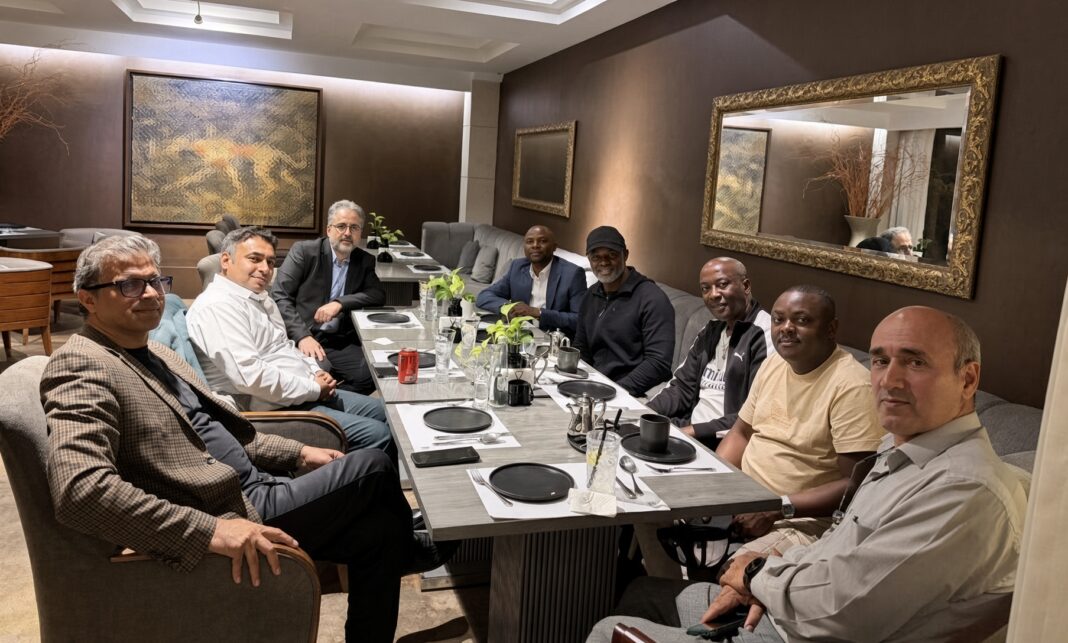
HARARE,— A reported business delegation to Iran led by former Zimbabwean legislator Temba Mliswa has raised questions over potential sanctions exposure and diplomatic repercussions for President Emmerson Mnangagwa’s administration, as Harare attempts to rebuild relations with Western governments while expanding trade with countries facing international restrictions.
The controversy comes amid heightened military tensions involving Iran, the United States and Israel, placing Zimbabwe’s commercial engagement with Tehran under scrutiny because of Washington’s restrictions on Iranian energy, banking and defence-related activities.
Mliswa whose is President Mnangagwa’s close ally has publicly defended closer economic cooperation between Zimbabwe and Iran, arguing that both countries could benefit from industrial development, technology transfer and alternative trading arrangements.
In remarks published on his social media account, Mliswa said Tehran could offer Zimbabwe expertise in agricultural machinery, pharmaceuticals, mineral processing and manufacturing developed under decades of Western sanctions.
“Iran needs Zimbabwe’s strategic minerals for its battery and defence industry,” Mliswa wrote, describing the relationship as an opportunity to develop alternatives to Western-dominated financial and industrial systems.
His comments have brought particular attention to Zimbabwe’s mineral resources and the potential implications of commercial arrangements involving strategically sensitive commodities.
Zimbabwe possesses uranium occurrences as well as substantial deposits of lithium, gold and platinum-group metals. However, there is no independently verified evidence that Mliswa’s reported delegation has negotiated uranium supplies, nuclear cooperation or transactions involving Iranian military organisations.
The distinction is important because US sanctions can expose foreign companies to penalties in specified circumstances, but do not automatically prohibit every commercial relationship between Iran and third countries.
Political commentator and anti-sanctions campaigner Rutendo Matinyarare has previously argued that Zimbabwe should resist excessive dependence on Western financial institutions and develop greater economic self-reliance.
Following Washington’s restructuring of its Zimbabwe sanctions programme in 2024, Matinyarare said the removal of broader restrictions created opportunities for domestic economic development.
“The real sanctions are gone now, so no more excuses. Let’s build the country now,” he said in comments reported by Al Jazeera.
Matinyarare has also publicly questioned Mnangagwa’s economic management and cited Iran’s industrial development under sanctions as an example of the importance of domestic productive capacity. His previously published remarks do not, however, establish his position on Mliswa’s latest reported mission.
The debate has been complicated by Mliswa’s political associations and the recent appointment of businessman Kudakwashe Tagwirei as Minister of Economic Development and Investment Promotion.
Tagwirei, who has substantial interests in Zimbabwe’s business sector, has been subject to US sanctions, raising questions about the practical challenges of attracting Western capital while politically exposed or designated individuals occupy influential economic positions.
There is no verified evidence that Tagwirei organised or authorised Mliswa’s reported delegation.
The Zimbabwe Mail has also been unable to substantiate an allegation circulating in political commentary that Mliswa has been identified by Western security agencies as a person potentially linked to Iranian terrorist organisations. No official designation, security document or independently corroborated evidence has been established to support that claim.
The controversy nevertheless illustrates the sensitivity of Zimbabwe’s commercial diplomacy at a time when Washington is closely scrutinising financial transactions involving Iranian entities.
The US Treasury’s Office of Foreign Assets Control maintains sanctions against designated Iranian institutions and individuals, including restrictions that can affect foreign financial intermediaries involved in certain transactions.
For Zimbabwean businesses, potential exposure could complicate access to dollar clearing, international correspondent banking and foreign credit facilities.
Such risks are especially significant for a government seeking to improve its sovereign credit standing, resolve external debt problems and attract investment into mining, manufacturing and infrastructure.
Zimbabwe’s diplomatic balancing act has become more difficult as Washington reassesses relationships with Southern African governments over their international political alignments.
Proposals in the US Congress to review relations with South Africa have demonstrated how foreign-policy disagreements can become intertwined with economic and financial diplomacy, although they do not establish that Zimbabwe faces comparable measures.
The debate also intersects with domestic political tensions surrounding proposals to extend Mnangagwa’s presidency to 2030.
Critics fear that poorly coordinated commercial initiatives involving politically connected individuals could complicate the administration’s international relationships. There is, however, no established evidence that Mliswa’s reported engagement was undertaken on behalf of a political faction or that it has altered Washington’s position on Zimbabwe’s leadership.
For Mnangagwa, the central challenge is reconciling his administration’s commitment to maintaining relations with all countries with the commercial realities of international sanctions and Western financial influence.
Zimbabwe has the sovereign right to pursue lawful trade with Iran, but transactions involving sensitive minerals, designated financial institutions or restricted technologies require careful scrutiny.
The reported visit has not been independently established as an official government mission, and its full commercial agenda remains unclear.
Whether it develops into a diplomatic dispute will depend less on Mliswa’s political connections than on the nature of any agreements concluded, the parties involved and whether those arrangements expose Zimbabwean businesses to sanctions-related risks.