

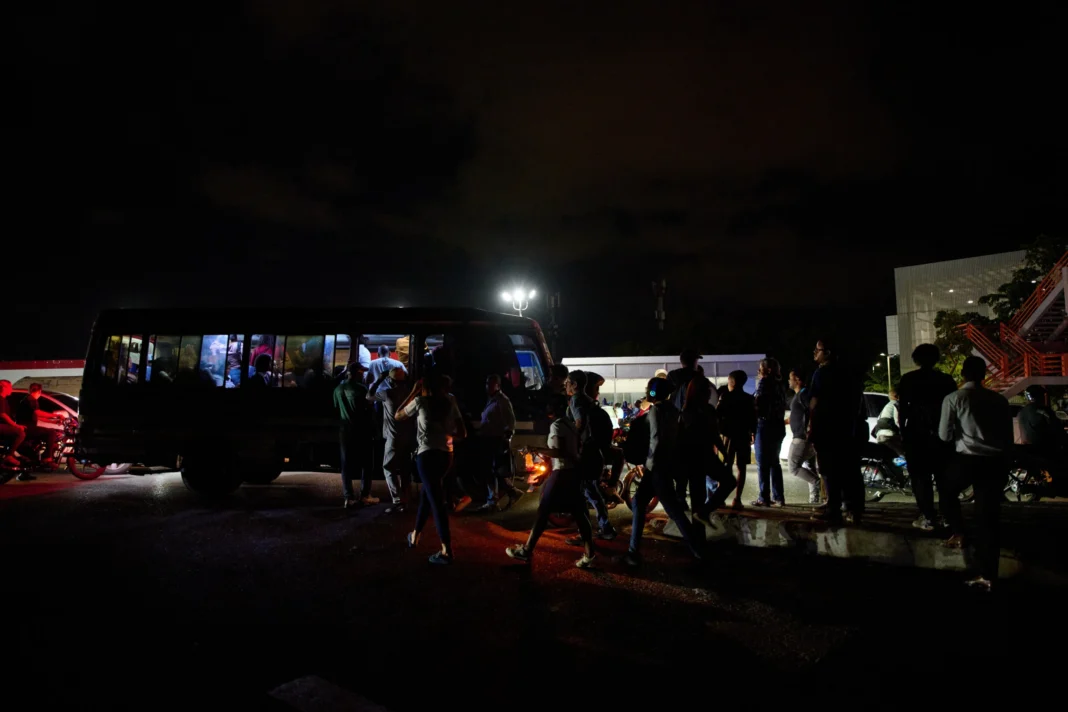
HARARE – Zimbabwe’s state-owned electricity utility, the Zimbabwe Electricity Supply Authority (ZESA), has restored power to most parts of the country following a nationwide blackout caused by a fault on a critical high-voltage transmission line, while engineers continue efforts to fully stabilise the national grid.
According to ZESA, the power outage occurred at approximately 6:24pm on Monday after a major fault developed on the Warren–Alaska 330-kilovolt transmission line, one of the country’s key electricity corridors.
The fault disrupted Zimbabwe’s interconnections with regional power suppliers, triggering voltage instability and under-frequency conditions that caused several domestic generating units to automatically shut down to protect equipment.
ZESA said electricity supplies were progressively restored through a combination of imports from South Africa’s Eskom, generation from the Kariba Hydroelectric Power Station, electricity supplied by Hydro Cahora Bassa in Mozambique, and three operational generating units at Hwange Power Station.
Power had been restored to most parts of the country by around 10:00pm, although technical teams remain engaged in synchronising the remaining generating units at Hwange with the national grid.
The utility also said repair work is continuing at the Warren Substation, a critical electricity distribution facility that supplies large parts of Harare and surrounding areas.
Grid Vulnerability Exposed
The incident highlights the vulnerability of Zimbabwe’s electricity transmission network, where faults on major transmission infrastructure can rapidly cascade into widespread system failures.
Power system experts note that modern electricity grids operate on a delicate balance between electricity generation and demand. Significant disturbances on high-voltage transmission lines can cause frequency fluctuations that automatically disconnect power stations from the grid to prevent severe damage to generating equipment.
Regional electricity interconnections have become increasingly important in maintaining grid stability, allowing neighbouring utilities to support each other during system disturbances and generation shortfalls.
Persistent Energy Challenges
The latest blackout comes as Zimbabwe continues to face long-standing challenges in the electricity sector, including ageing transmission and distribution infrastructure, periodic generation shortfalls and constrained investment in network maintenance and expansion.
The country’s electricity supply has also been affected by limited foreign currency availability to finance power imports from regional utilities during periods of domestic generation deficits.
Although generation capacity has improved following the expansion of Hwange Power Station, electricity demand continues to outpace available supply during peak consumption periods, leaving the national grid vulnerable to operational disruptions.
Industry analysts say continued investment in transmission infrastructure, grid modernisation and diversified electricity generation will be essential to improving the reliability and resilience of Zimbabwe’s power system as demand from industry, mining and households continues to grow.
ZESA has not indicated when the remaining generating units will be fully restored but said engineers are working to return the national electricity system to normal operating conditions as quickly as possible.