





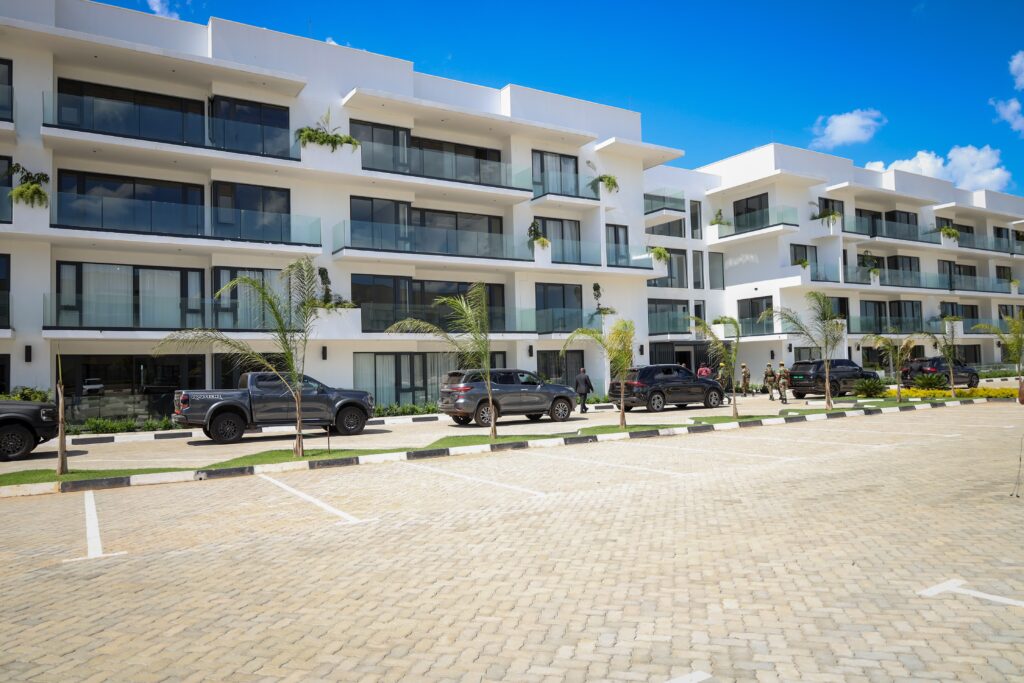
HARARE,— WestProp Holdings has more than doubled its interim dividend to 6 US cents a share despite a 6% decline in half-year profit, raising questions about the sustainability of shareholder distributions as the property developer expands its project pipeline.
Profit after tax fell to US$2.49 million in the six months to June 2026, from US$2.65 million, while revenue rose 16.3% to US$14.91 million.
The stronger revenue reflected the first consolidation of Electro Properties, Sunshine Developments and BrickFusion Manufacturing, as well as higher contributions from Millennium Heights and Pomona City.
However, earnings growth lagged revenue. Gross profit increased 9.5% to US$7.49 million, while the gross margin narrowed to 50.2% from 53.3% and operating expenses rose 34.6% to US$4.19 million.
Analysts who spoke to The Zimbabwe Financial Mail said the dividend was the key feature of the results, given that it represents about 72% of first-half profit.
“The dividend is aggressive relative to both earnings and cash generation. Investors will want to see whether WestProp can maintain that level of distribution while funding its development pipeline,” one analyst said.
Operating activities consumed US$684,954 during the period, while working-capital movements absorbed about US$5.53 million. The company nevertheless ended June with US$6.01 million in cash, supported partly by US$4.61 million raised through long-term payables.
The funding requirement is growing alongside the asset base. Total assets increased 9.1% to US$261.79 million, while investment property rose 19.4% to US$188.39 million. The shareholder loan increased to US$20.31 million from US$10.18 million.
“WestProp is balancing development spending, liquidity and shareholder returns at the same time. The sustainability of that model will depend increasingly on converting completed projects into cash-generating assets,” another analyst said.

The company has several major projects moving towards commercialisation. The Hills golf course is scheduled to open in December, with its second phase planned to include a hotel and spa, branded residences, retail and offices. WestProp expects the second phase to generate about US$250 million in sales.
At Millennium Heights, the Radisson Serviced Aparthotel is expected to be completed in early 2027, potentially adding recurring hospitality income to the group’s development-led revenue base.
“The strategic opportunity is to move from development sales towards a portfolio that produces recurring income. That would provide a stronger foundation for future dividends,” an analyst said.
Pomona City remains another important contributor. It generated US$4.99 million in first-half revenue, but WestProp plans to transfer its development land bank into Alpha Holdings Africa while retaining its income-generating and operating assets. The terms of that restructuring will be important for shareholders.
WestProp has also approved a 100-for-3 share split, increasing issued shares from 30 million to 1 billion in a move intended to improve accessibility and trading liquidity.
The company is also developing Chivhu EcoCity, a 5,000-hectare project along the Harare-Masvingo corridor planned for a population of up to 80,000 people.
For investors, the immediate question is whether WestProp’s expanding property portfolio can generate enough cash to support both continued development and its higher dividend commitment.
“The pipeline is substantial, but scale alone does not create value. Execution, cash conversion and the emergence of recurring income will determine whether the larger asset base ultimately delivers sustainable shareholder returns,” an analyst said.
WestProp’s interim results therefore show a business growing in scale while facing the familiar capital demands of property development: higher assets and revenue, but greater funding requirements and pressure on cash generation.


