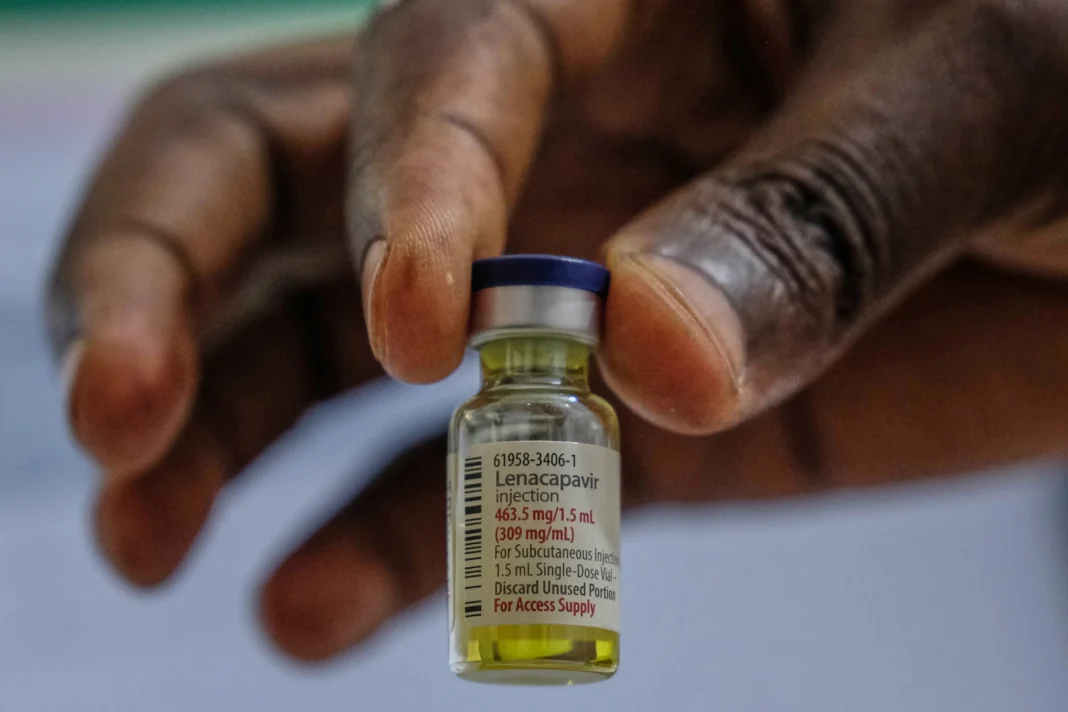
HARARE — The approval of a lower-cost generic version of lenacapavir, a twice-yearly injection designed to prevent HIV infection, could improve access to preventive treatment across low- and middle-income countries, including Zimbabwe, where the cost and availability of prevention services remain important public-health and economic concerns.
The US Food and Drug Administration has granted tentative approval to a generic version developed by India’s Dr. Reddy’s Laboratories, according to the Associated Press (AP). The development could accelerate access in as many as 120 low- and middle-income countries, with the medicine expected to cost approximately US$40 per person annually in the markets covered by the initiative.
Lenacapavir is administered twice a year, offering an alternative to daily pre-exposure prophylaxis (PrEP) pills. Two major clinical studies found that the injection nearly eliminated new HIV infections among participants at high risk, according to AP. Its less frequent dosing could also help address adherence challenges associated with daily medication.
The generic was developed through an arrangement involving Unitaid, the Clinton Health Access Initiative and South Africa-based Wits RHI. Six generic manufacturers have secured royalty-free licensing agreements with Gilead Sciences, the original developer, to support wider production in specified countries across Africa, Asia and Latin America.
For Zimbabwe, the development presents a potentially important opportunity to strengthen HIV prevention while reducing the long-term economic burden associated with new infections. Greater access to effective prevention could help protect the country’s workforce, reduce future pressure on public healthcare expenditure and support productivity among economically active communities.
However, lower manufacturing costs do not automatically translate into immediate availability. Zimbabwe would still need to establish the relevant regulatory pathway, procurement arrangements, financing and distribution systems before the injection could be incorporated into national prevention programmes. The available licensing arrangements also do not, by themselves, establish when the generic will reach the Zimbabwean market.
The Zimbabwe Mail notes that the economic significance extends beyond the price of the medicine. Affordable prevention depends on sustainable public-health financing, reliable supply chains, diagnostic capacity and the ability of healthcare providers to reach communities at risk. These requirements will determine whether the scientific breakthrough produces measurable benefits for Zimbabwe.
The generic approval follows a period in which demand for lenacapavir in lower-income markets has exceeded supply, with Gilead previously the sole supplier. The company’s branded version, Yeztugo, carries a US list price of US$28,218 annually, although that price is not the expected cost of the generic in the targeted markets.
AP reported that generic lenacapavir must be preceded by HIV testing, with further testing required before each injection. This is important because administering the drug to someone with an undiagnosed HIV infection can contribute to drug resistance. Reported side effects include injection-site reactions, headaches and nausea.
The approval is therefore a significant step, but not the end of the process. Health organisations involved in the initiative say governments and donors must still secure funding to purchase the medicine and build the systems needed to deliver it at scale.
For Zimbabwe, the potential gains will depend on whether affordable supply can be translated into an accessible national prevention programme. The breakthrough could strengthen the country’s HIV response, but procurement, regulatory approval and sustained financing will determine how quickly its benefits reach patients.