





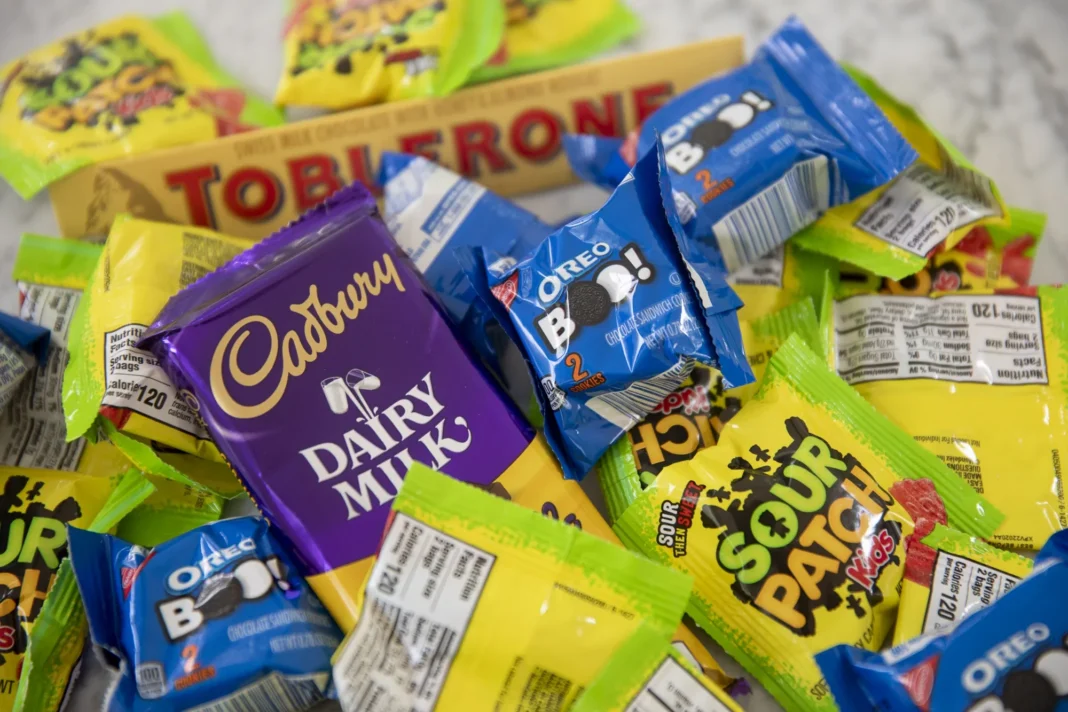
HARARE — Varun Beverages is broadening its footprint in Zimbabwe’s fast-moving consumer goods market after securing exclusive distribution rights for Mondelez International’s confectionery and biscuit portfolio, adding globally recognised brands such as Oreo, Cadbury and Toblerone to its growing retail network.
The agreement, signed through Varun Beverages (Zimbabwe) with Mondelez South Africa, takes effect from 1 October 2026 and covers the exclusive distribution of Mondelez chocolate, biscuit, candy and gum products across Zimbabwe.
The deal marks another step in Varun’s strategy of moving beyond beverages and building a broader consumer-products distribution platform in Zimbabwe.
Varun leverages existing distribution network
Varun said the agreement will allow it to expand its product portfolio by leveraging its existing snacks distribution infrastructure. Importantly, the company said no additional capital expenditure is currently envisaged, with the new business expected to use its existing logistics and distribution network.
That approach gives the partnership a potentially attractive operating model: Varun can add higher-value consumer brands to an established distribution system without immediately having to build a separate logistics platform.
“From a commercial perspective, this is a logical extension of Varun’s Zimbabwe strategy,” a consumer-sector analyst who spoke to The Zimbabwe Financial Mail said.
“The company is effectively increasing the revenue potential of its distribution infrastructure. The important question now is how quickly it can translate wider product availability into higher volumes and margins.”
Oreo, Cadbury and Toblerone join growing portfolio
Mondelez’s portfolio includes some of the world’s best-known food brands, including Oreo, Cadbury and Toblerone, alongside products across biscuits, chocolate, gum and confectionery.
The agreement follows Varun’s rapid expansion into Zimbabwe’s snacks market.
The company began distributing PepsiCo snack products in Zimbabwe and Zambia in February 2025 and subsequently moved into local production, including Cheetos. Its Zimbabwe operation has therefore been evolving from a predominantly beverage-focused business into a wider food and consumer-products platform.
“The significance is not simply the addition of three recognisable brands,” another analyst told The Zimbabwe Financial Mail. “It is the emergence of a much broader distribution ecosystem around Varun. Once you have the warehouses, routes, retailers and sales teams, adding complementary product categories can improve asset utilisation.”
Zimbabwe’s FMCG market becomes increasingly competitive
The development comes as Zimbabwe’s formal retail and FMCG industries continue to adapt to changing consumer purchasing patterns, currency conditions and competition from informal trading channels.
For manufacturers and distributors, scale has become increasingly important. Companies able to maintain reliable stock availability, manage working capital and reach retailers efficiently have an advantage in a market where supply-chain disruptions and foreign-currency constraints can affect product availability.
Varun’s expansion could therefore have implications beyond its own product portfolio.
A stronger formal distribution network can improve access to branded products for retailers while potentially reducing fragmentation between manufacturers, importers, wholesalers and shops.
“The Zimbabwe consumer market is fragmented, but that fragmentation creates an opportunity for efficient distributors,” the analyst said. “The commercial value lies in building density across the retail network rather than simply adding brands to a catalogue.”
A broader Varun strategy
The Mondelez agreement also fits into Varun’s wider international expansion strategy.
The company has been expanding its presence across Africa while building capabilities around beverages and snacks. Its Zimbabwe operation has already moved into local production of PepsiCo snacks, demonstrating a shift towards greater manufacturing depth in the market.
The latest agreement is different because it is primarily a distribution play, allowing Varun to broaden its portfolio without immediately committing substantial new capital.
For Zimbabwe, the development adds another internationally recognised consumer-goods company to an increasingly competitive FMCG landscape.
“The next phase will be execution,” the second analyst said. “If Varun can maintain availability, competitive pricing and efficient working-capital management, Mondelez gives it another significant portfolio of brands with which to deepen relationships across Zimbabwe’s retail economy.”
The agreement therefore represents more than a new distribution contract. It signals Varun’s ambition to become a broader consumer-products platform in Zimbabwe, with beverages, locally manufactured snacks and internationally recognised confectionery brands increasingly operating through the same commercial infrastructure.


