





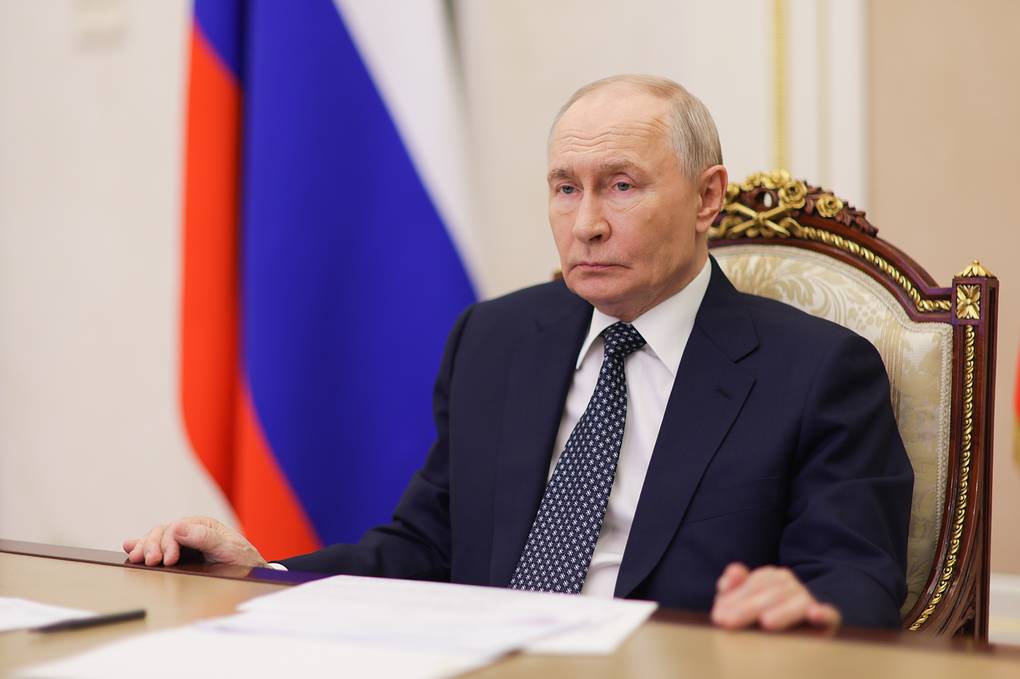
KYIV, Ukraine — Russian President Vladimir Putin told U.S. President Donald Trump during a telephone conversation on Tuesday that Moscow has no aggressive intentions toward Europe, the Kremlin said, as concerns continue to grow in European capitals over alleged Russian destabilisation and sabotage activities.
The call was confirmed by Kremlin presidential aide Yury Ushakov, who said Putin and Trump had held another telephone conversation without immediately disclosing further details.
The Kremlin’s account comes amid heightened tensions between Russia and European countries, with European officials accusing Moscow of conducting sabotage campaigns and other destabilising activities on their territory. Moscow has consistently rejected such accusations.
The conversation, according to multiple reports, also took place as diplomatic efforts continue to find a way to end Russia’s war in Ukraine, now in its fifth year.
Ukrainian President Volodymyr Zelenskyy said U.S. envoys who recently travelled to Kyiv had presented what he described as worthwhile proposals aimed at ending the conflict. Zelenskyy also indicated that he hoped to meet Trump within the next two weeks.
Despite the renewed diplomatic contacts, there was little indication that Moscow was preparing to abandon its broader military objectives in Ukraine.
Kremlin spokesman Dmitry Peskov said Russia remained committed to achieving what Moscow describes as its military goals and maintained that the situation was moving in its favour.
Ukrainian and Western observers, however, dispute Moscow’s assessment of the battlefield, arguing that Russian forces have struggled to achieve significant territorial advances despite the prolonged fighting.
The latest Putin-Trump conversation therefore comes at a potentially important moment for international efforts to end the war. Washington has been attempting to maintain dialogue with both Moscow and Kyiv, while Ukraine continues to press for security guarantees and a settlement that preserves its sovereignty.
Putin’s reported assurance to Trump that Russia has no aggressive intentions toward Europe could also be aimed at addressing growing European concerns that the conflict in Ukraine could eventually spill beyond the country’s borders.
For now, however, the central challenge remains finding common ground between Moscow’s stated military objectives, Kyiv’s demands for a durable peace and Washington’s push for a negotiated end to the conflict.


