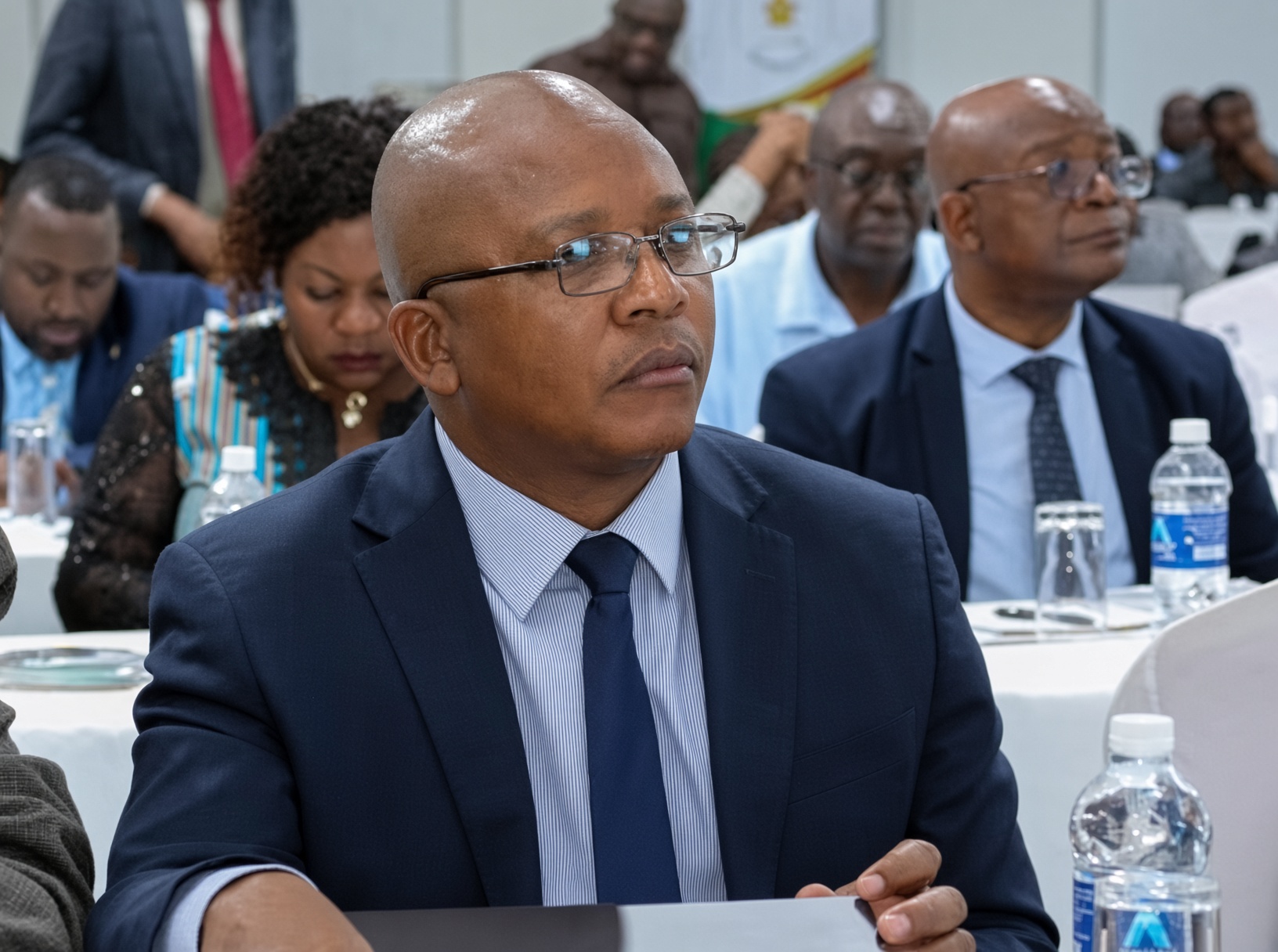
HARARE — Zimbabwe is considering a greater role for local leadership in decisions over mining investments, with Mines Minister Polite Kambamura proposing that prospective investors obtain local approval before the Government grants them mining rights.
Kambamura made the proposal while unpacking the Mines and Minerals Bill, signalling a possible shift towards giving communities and local leadership a stronger voice in decisions over mineral exploration and extraction in their areas.
Under the approach outlined by the minister, investors seeking to undertake mining activities would first have to secure approval from local leadership before proceeding to the Ministry of Mines for the relevant mining rights.
The proposal could have significant implications for Zimbabwe’s mining investment climate, particularly in areas where competition for land, mineral resources and access to traditional territories has generated tensions between investors and surrounding communities.
For the Government, involving local leadership earlier in the licensing process could help reduce disputes, improve community acceptance of mining projects and strengthen accountability over how mineral resources are exploited. It could also provide a formal channel through which communities raise concerns about land access, environmental protection, employment and compensation before projects receive approval.
However, the effectiveness of the proposal will depend on how local approval is defined and administered. Without clear procedures, statutory safeguards and transparent decision-making, the requirement could introduce additional uncertainty for investors or create opportunities for competing interests to influence licensing decisions.
Zimbabwe is seeking to attract more investment into mining as it looks to expand production, increase mineral exports and generate employment. The sector is central to the country’s foreign-currency earnings, making predictable licensing arrangements and confidence in the regulatory framework important considerations for both domestic and international investors.
The Zimbabwe Mail’s business desk notes that stronger community participation need not conflict with investment promotion. Properly structured, it could improve the social sustainability of mining projects while reducing the risk of costly disputes and operational interruptions.
The central question will be whether the proposed arrangement creates a transparent system of community consent and accountability, rather than another layer of administrative discretion. Investors will need certainty over who has authority to approve projects, the criteria governing such decisions and the process for resolving disagreements.
The proposal was presented during the unpacking of the Mines and Minerals Bill and should not be interpreted as an enacted licensing requirement. Its final form will depend on the legislative process and the provisions ultimately adopted.
For Zimbabwe, the challenge is to ensure that communities have a meaningful stake in mineral development without undermining the predictability needed to attract long-term capital. The success of the proposed reform will ultimately be measured by whether it delivers both stronger local participation and a more credible mining investment environment.