
Zimbabwe, like many nations in the Global South, faces mounting environmental pressures as urbanisation, industrialisation and population growth accelerate. The country’s landfills are filling, rivers and wetlands are polluted, and the cost of environmental degradation is rising — not only in ecological terms but also economically and socially. In response, Zimbabwe has a critical opportunity to rethink its approach to waste and pollution through the lens of the circular economy.
By Phillip Chidavayenzi
The circular economy, a model increasingly adopted worldwide, places the elimination of waste and pollution at its core. Unlike the traditional linear system of take‑make‑waste, a circular economy prioritises designing products and systems so that materials remain in use for as long as possible, and biological or technical nutrients are systemically returned safely to the environment at the end of their life. For Zimbabwe, adopting this principle is no longer a theoretical exercise — it is an environmental and economic imperative.
The Problem: Waste Built into Design
Currently, much of Zimbabwe’s economy operates in a linear fashion. Products are manufactured from raw materials, consumed, and then discarded with limited consideration for what happens to them at the end of life. Multi‑material plastics, disposable packaging and certain electronics are prime examples of items that cannot be easily reused, recycled or composted. In Harare, Bulawayo and other urban centres, such products often end up in overflowing landfills, clog storm drains or contaminate rivers and wetlands.
“Waste is not inevitable — it is a design flaw,” says Dr Tafadzwa Nyoni, a senior environmental policy analyst in Harare. “If we build circularity into the design of our products and infrastructure from the outset, we can prevent pollution before it even starts.”
From snack packaging to construction materials, Zimbabwe has largely followed a linear path, exacerbated by informal manufacturing practices, limited recycling infrastructure and a lack of incentives for sustainable design. But the solution starts with rethinking design.
From Linear to Circular
A circular economy treats waste as a resource, not a by‑product. In practice, this means products should be designed to be maintained, shared, reused, repaired, refurbished, remanufactured or — as a last resort — recycled. Biological materials, such as food and agricultural residues, can be returned to the soil to regenerate land and fuel the production of new crops.
For Zimbabwe, this offers multiple benefits: reducing the burden on municipal waste services, creating jobs in repair and recycling industries, and lessening environmental pressures on already vulnerable ecosystems. Companies and government agencies can begin by implementing product stewardship policies, incentivising local innovation in packaging and materials, and promoting industrial symbiosis where waste from one industry becomes input for another.
Mining and Agriculture: Key Sectors for Circularity
Zimbabwe’s economy is heavily dependent on mining and agriculture, both of which are traditionally high‑waste sectors. However, they also present some of the most promising opportunities for circular economy strategies.
Mining Sector
Zimbabwe’s rich deposits of gold, lithium, platinum and other minerals produce substantial waste, from tailings and slag to water contamination. Yet some local mining firms are beginning to adopt circular practices. At ZIMPLATS, for example, water recycling initiatives in processing plants have begun to reduce freshwater withdrawal and improve effluent quality. Tailings re‑processing pilots — which extract residual minerals from waste rock — have also been tested at small scale, creating additional revenue streams while reducing environmental liability.
In the lithium sector, Arcadia Lithium Project in the Midlands has explored the reuse of mining‑related wastewater for dust suppression and rehabilitation, demonstrating early circular thinking in a commodity vital to the global clean‑energy transition.
By adopting circular principles, mining operations can further expand water recycling systems, use renewable energy and bio‑based chemicals in extraction processes, and rehabilitate closed sites with biomass production, returning nutrients to soils and creating new economic value.
Agricultural Sector
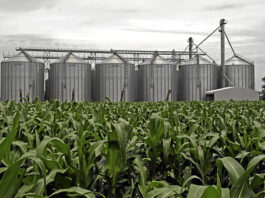
Zimbabwe’s agriculture sector is responding to circular opportunities in rural and peri‑urban communities. AgriLife Zimbabwe, a farm enterprise outside Harare, has pioneered on‑farm composting systems that convert crop residues like maize stalks and groundnut haulms into enriched soil conditioners used on the farm year‑round. The same farm has piloted reusable packaging systems for produce deliveries to markets in Harare, reducing reliance on single‑use plastics.
Meanwhile, ZimAgroTech, an agritech company focused on horticultural value chains, is working with smallholder farmers to implement regenerative practices — such as cover cropping and intercropping — that simultaneously build soil health and recycle nutrients, lowering reliance on synthetic fertilisers and reducing nutrient runoff into waterways.
These initiatives fall squarely within circular thinking: biological materials returning to the land, and farm systems designed to regenerate rather than degrade environmental capital.
Practical Steps for Implementation
Government Action
The Zimbabwean government can take a leading role by creating enabling policies that encourage circular economy adoption. This could include fiscal incentives for manufacturers using recyclable or reusable materials, support for research and innovation in sustainable product design, and reforms in environmental regulations that enforce extended producer responsibility and penalise polluters. Public awareness campaigns highlighting the economic and environmental benefits of circularity would reinforce these policies in communities nationwide.
Business Engagement
Businesses can redesign products and operations to minimise waste. Manufacturing companies can incorporate closed‑loop production systems, reuse by‑products, and adopt eco‑friendly packaging. Retailers and agricultural processors can shift to biodegradable or reusable containers, while partnerships between firms can foster industrial symbiosis, where the waste from one operation becomes raw material for another, reducing costs and environmental impact.
Zimbabwean startups are already demonstrating this potential. GreenCycle Zimbabwe, an innovative recycling enterprise, collects plastic waste from urban centres and processes it into secondary building materials — such as pavers and roofing tiles — that are sold locally. By turning waste into a resource, ventures like GreenCycle help close material loops and create employment in disadvantaged communities.
Community Participation
Communities are essential to making circularity a reality. Citizens can engage in waste separation, recycling, composting and the adoption of reusable products in their daily lives. Educational initiatives can help households and schools understand the impact of waste and empower young people to innovate and participate in sustainable practices. Community‑level initiatives — such as local repair workshops or cooperative composting schemes — can generate jobs while reducing pollution and landfill pressure.
In Bulawayo, community groups have organised neighbourhood swap meets — events where reusable items like clothing, furniture and electronics are exchanged rather than discarded — helping extend product life cycles and reduce waste streams.
Economic and Environmental Benefits
Embracing a circular economy can have profound benefits for Zimbabwe. Circular strategies reduce costs, generate employment, and limit environmental degradation while maintaining economic growth. Cleaner urban and rural environments, reduced pressure on municipal waste systems, and new opportunities for local manufacturing and innovation are just a few of the potential outcomes.
By tackling waste at its source — through design, policy and citizen engagement — Zimbabwe can transition from struggling with pollution to leading in sustainable practices in Africa. Not only would this protect the environment, but it would also position the country to attract international investors increasingly focused on ESG (Environmental, Social, and Governance) standards — especially in sectors like green mining, clean agriculture and sustainable manufacturing.
The Time is Now
Zimbabwe cannot afford to delay. Increasing urbanisation, industrial growth and climate‑related pressures exacerbate waste and pollution challenges. By adopting the circular economy principle of eliminating waste and pollution, Zimbabwe can close the materials loop, protect ecosystems, foster sustainable development and create a competitive economic advantage.
“The circular economy is not just a policy choice; it is a necessity for our survival and prosperity,” says Dr Nyoni. “By designing out waste, we are investing in Zimbabwe’s future, creating green jobs, and ensuring that our natural resources can support generations to come.”
Zimbabwe stands at a crossroads. The question is whether the country will continue with a linear, wasteful model or embrace circularity, transforming environmental challenges into economic and social opportunities. The opportunity is enormous — and the time to act is now.