I was born in Mutare in the 1980s. Before Independence, our family lived in Dangamvura. That was home for a long time and, naturally, we had family and family friends there and still do! When I was born, our family had moved from Dangamvura Township to the “Suburbs of Mutare”. This meant we would visit family in Dangamvura and vice versa very often, sometimes multiple times a week. Church every Sunday and on Thursdays (for my Mom) in the 80s was also in Dangamvura.
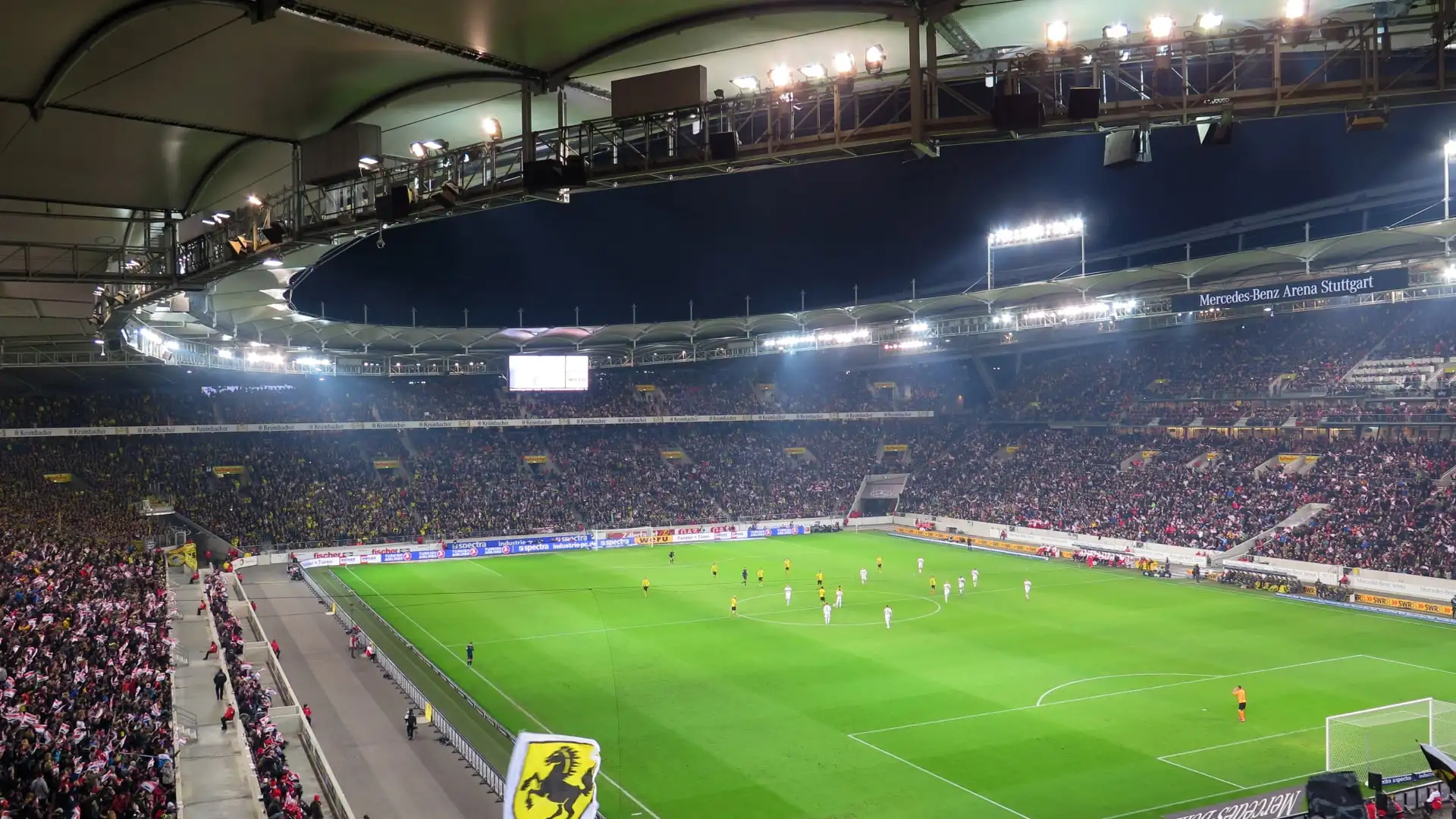
From an early age, I was very passionate about football, and that meant during the football season, frequent trips to Sakubva stadium to watch Tanganda Football Club during the days of Lloyd Mutasa, Patrick Chapoterera, Ian Matondo, and Arnold Tsunga. Of course, it was always a big occasion whenever Dynamos, Blackpool, Caps United, and Highlanders came to town.
What does all this have to do with local assembly of vehicles? Well, because of my family connections in Dangamvura, Sakubva, and football matches at Sakubva Stadium, I would travel past the Motor Vehicle Assembly Plant multiple times a week and would always marvel at the finished shiny new cars parked there by the hundreds. A number of people in our family, such as some Uncles and Aunts, were directly involved in the motor vehicle ecosystem either at the assembly plant itself, or at component manufacturing factories that were feeding local content into the assembly plant. Conversations around the automotive assembly sector were always high up on the agenda at family gatherings. Driving past the plant would then give us a sense of pride seeing finished vehicles parked outside the plant that were getting ready for deliveries across the country. This probably helped shape my love for the auto industry from an early age.
During my early high school days, the assembly plant had started assembling some models from Hyundai, namely, the Hyundai Excel and the Accent. During that time, Hyundai sponsored Dynamos Football Club, and had the fitting tag line “Handei ne Hyundai” that resonated well in the market. So, when Dembare came to town in their immaculate blue Jerseys with “Hyundai” as the main shirt sponsor, we also felt a sense of pride. At that time, the locally assembled Hyundais found a good market through anchor offtakers such as fleet operators. Rixi and AI Taxis were some of the main shared mobility services leading the uptake of these locally assembled vehicles.
Well, a lot has changed since then. The local market for brand new vehicles now sits at around 6,000 units per annum. Used vehicle imports from Japan, and in some cases, South Africa, the United Kingdom, and Thailand, now make up the bulk of local sales which are generally above 60,000 vehicles per annum. A recent post on newZWire shared some insights into Quest Motor Manufacturing’s plans to bring back the glory days of vehicle assembly to my hometown. Of course, given the history I have shared, I would be number one on the list of people to see this happen. Nostalgia aside, let’s look at some numbers:
Quest Motor Manufacturing says its plant has the capacity to produce 3,500 vehicles per month from completely knocked-down kits (CKD).
The plant has capacity to produce 15,000 vehicles per month from semi-knocked-down kits (SKD).
Let’s zone in on the CKD. For SKD, one can essentially do one vehicle per month if they like and it’s not a train smash.
For CKD, plants generally need to do about 30,000 units per year to be really viable. This ideally would need to be 30,000 units from one model. For example, it would be ideal if Quest could assemble 30,000 JAC T9s per annum. At 3,500 per month installed capacity, you can see that the Quest plant is well provisioned for a viable operation. If only it could get all the support to get back up to reasonable capacity utilisation, it could be a game changer for the country’s auto sector.
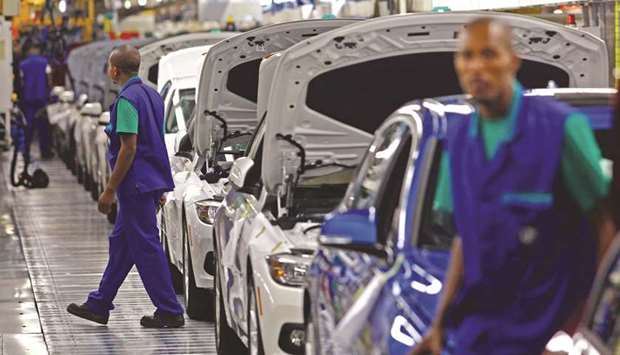
Idle capacity: Quest’s Mutare plant
____
Quest recently stressed that if the Government followed its original guidance of ordering 80% of its vehicle requirements from locally assembled vehicles, this would go a long way in helping Quest reach reasonable capacity utilisation. Here’s the thing; given that annually, individuals, private companies, and the government combined are buying about 6,000 brand new vehicles per annum across all vehicle categories, and basically 99% from vehicle importers, new demand to support CKD assembly operations would need to be found from somewhere. Where would that demand come from? The lack of affordable long term vehicle financing schemes, similar to those in South Africa, is a major barrier. The buying power of the majority of workers, including the critical civil servant workforce, is now lower than it was in the 1980s and 1990s. The real challenge is now on how to build demand for a critical mass of new car buyers to support local uptake of these vehicles.
Of that 6,000 brand new vehicles sold in Zimbabwe per year, the mix is a wide variety including the popular Toyota Hilux GD6 variants, the Ford Ranger and its in fashion Raptor variant, small sedans, hatchbacks, and SUVs from multiple brands on the market. Could you get 6,000 people to change their taste and acquire a JAC T9 for example? Then you would have to find the rest of the 24,000 shortfall of buyers to reach the ideal 30,000 a year CKD run from somewhere. Where would you find these? Export to Zambia, Malawi, Tanzania, Mozambique? This is a simplified example, just to show that there is a lot more hard work to do to really get to a viable assembly CKD plant. Perhaps, start with SKD and build volumes over say five years, grow to CKD, and then initiate programmes to boost the local vehicle component assembly industry. Of course, Quest could have a mix of vehicles making up that 3,500 monthly production run, but the challenge remains – new demand is needed to support this CKD plant.
Some have suggested it may be wiser to have regional hubs across the continent. This would mean something like South Africa to feed SADC, Kenya/Rwanda to feed East Africa, Ghana/Nigeria to feed West Africa and so on. It’s all in the numbers. The nostalgia in me wants Mutare back on the motor vehicle assembly map at full throttle ASAP. Nostalgia aside, the numbers and the market conditions decide.
About the Author:
Dr. Remeredzai Joseph Kuhudzai has been involved in the energy and electric mobility sectors for over 15 years. His work included both lead and senior team roles looking into innovation, partnerships, strategy, business development, product development, solutions architecture, and sales. He has been involved in several high profile energy and mobility projects, collaborating with partners in South Africa, Zimbabwe, Zambia, Kenya, Sweden, United Kingdom, and the USA. He has also worked extensively on key policy issues and documents in the energy transition and electric mobility sectors. He was part of a consortium that developed several frameworks and roadmaps for electric vehicles and public transport services in Zimbabwe under Climate Technology Centre & Network (CTCN) sponsored initiatives. He has also worked on the “Pioneering Electric Mobility Program” for Malawi, a World Bank Project.
His work in the commercial and industrial solar as well as in the electric mobility space has given him a unique and unparalleled view of the energy and mobility nexus, a key interface in the energy transition and especially on the role of customer experience. He has authored and co-authored several papers on electric mobility including the impact of multiple standards, connectors, Apps, and their impact on customer experience. He is the Founder of Electric Drive Africa, an initiative to promote the adoption of electric vehicles in Africa.
Source: NewZwire