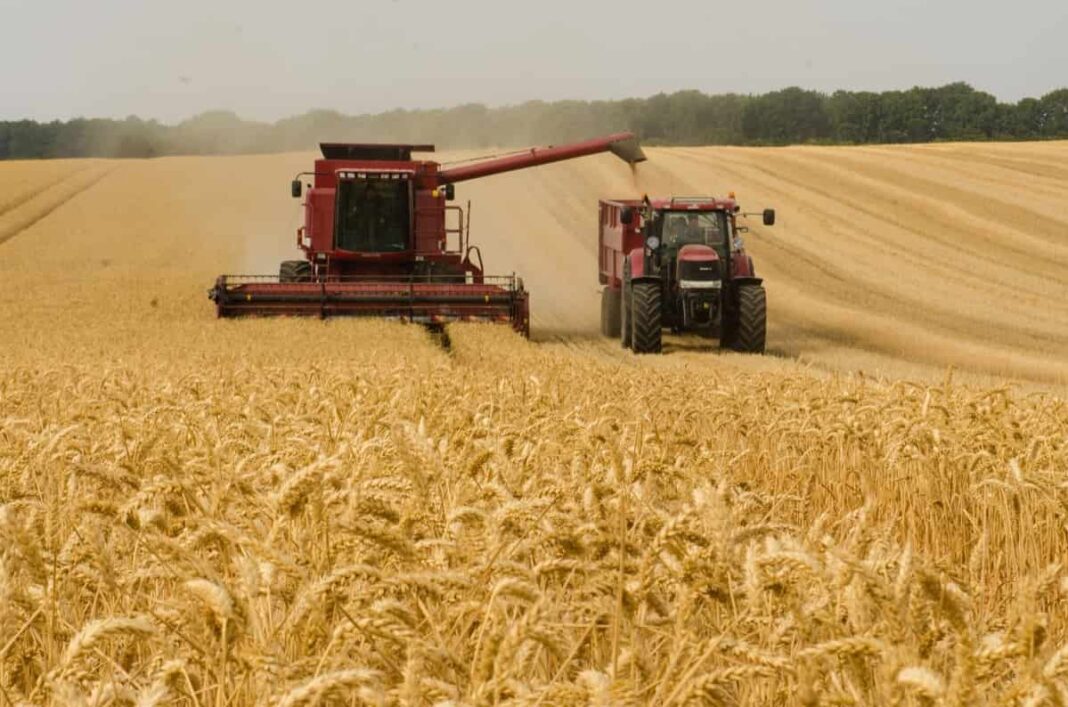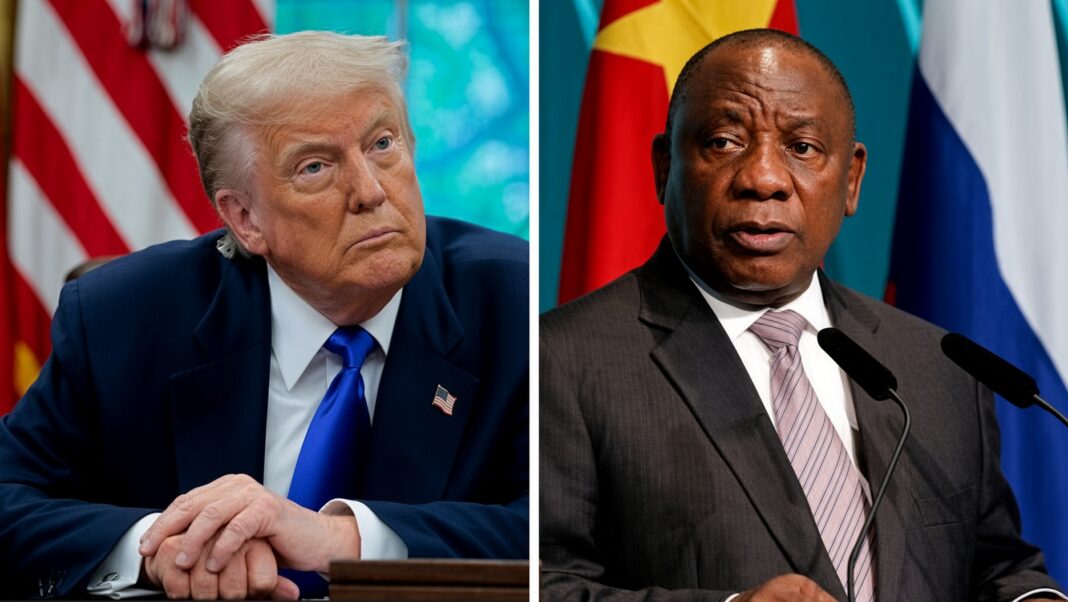
JOHANNESBURG – South Africa faces a crucial decision from Washington on November 2 over its continued participation in a preferential trade programme that has supported billions of dollars in exports, with economists warning that exclusion could threaten jobs and investment across the country’s industrial sector.
Trade, Industry and Competition Minister Parks Tau confirmed the decision date, saying Pretoria was prepared for either outcome as negotiations continue over South Africa’s eligibility for the African Growth and Opportunity Act (AGOA).
The programme provides eligible sub-Saharan African economies with duty-free access to the United States for more than 1,800 products, making it an important component of South Africa’s trade relationship with the world’s largest economy.
According to a report by BusinessTech, Tau said South Africa would have 60 days to address any concerns raised by Washington before a partial or complete suspension could take effect.
The minister expressed confidence that American authorities would respond positively to trade proposals submitted by Pretoria during negotiations over the past year.
South Africa has been the largest beneficiary of AGOA since its introduction in 2000, accounting for approximately 54 percent of exports to the United States under the programme, according to figures cited by BusinessTech.
Its potential exclusion has raised concerns among manufacturers, agricultural exporters and investors already facing uncertainty over American trade policy.
Economic modelling cited in the report suggests that between 125,000 and 576,000 direct and indirect jobs could be exposed to risk if preferential access is withdrawn.
The wide range reflects different assumptions about how exporters, manufacturers and supply chains would respond to higher tariffs rather than a forecast of immediate job losses.
Aluma Capital chief economist Frederick Mitchell warned that losing preferential access could “decimate industrial hubs that have taken three decades to build”.
However, other economists argue that the consequences may be less severe than the headline employment estimates suggest.
Agbiz chief economist Wandile Sihlobo said exclusion from AGOA could add approximately 3.4 percentage points to the existing 12.5 percent American tariff burden on affected South African exports.
While this would weaken competitiveness, it would remain below the 30 percent tariff level imposed during the trade tensions of 2025, according to his assessment.
“One could argue that, while this would be a challenging path, it would not necessarily be as catastrophic as we have faced in the past,” Sihlobo said.
The differing assessments highlight the uncertainty surrounding the economic consequences of a possible suspension, particularly as exporters adjust supply chains and explore alternative destinations.
South Africa’s government has sought to strengthen its commercial relationship with Washington while simultaneously reducing dependence on the American market.
Tau met US Trade Representative Jamieson Greer in Washington in September to discuss bilateral trade relations, investment and the future of AGOA.
The minister said more than 600 American companies operate in South Africa, supporting approximately 134,600 jobs, while US businesses have made investment commitments exceeding US$5 billion over the past year.
Pretoria has also emphasised its importance to American industrial supply chains, particularly through its production of critical minerals.
South Africa supplies 12 of the 50 minerals designated as critical by the United States, according to Tau, who said the country was willing to expand cooperation in local mineral processing and manufacturing.
Beyond Washington, South Africa is accelerating efforts to diversify export markets through its industrial development and trade strategies.
Potential growth destinations include China, India, the European Union, the United Kingdom, Southeast Asia and markets within the African Continental Free Trade Area.
For South African businesses, the immediate concern is whether the November decision will preserve established tariff preferences or introduce additional costs at a time when global trade conditions remain uncertain.
The outcome could influence investment decisions in export-oriented industries, particularly automotive manufacturing, agriculture and other sectors dependent on competitive access to American consumers.
Although Pretoria maintains that the economy can withstand an adverse ruling, the decision will test the resilience of South Africa’s export strategy and its ability to balance established Western trade relationships with expanding commercial opportunities elsewhere.
With the deadline approaching, investors and exporters will be watching whether Washington chooses continued economic engagement or imposes another obstacle to trade between the two countries.