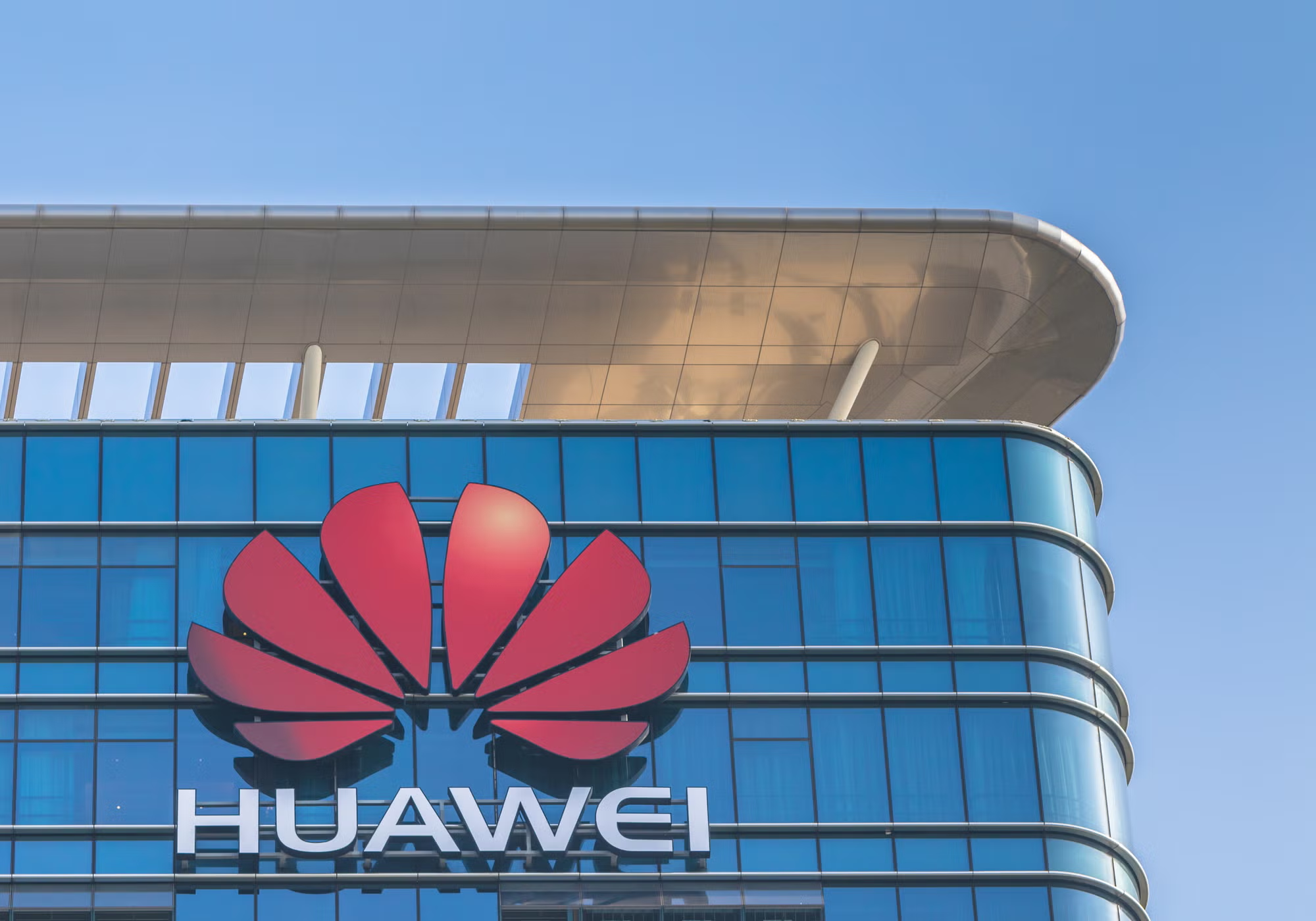
WASHINGTON, Nov 25, 2026 (The Zimbabwe Mail) – A U.S. federal jury in New York has found Chinese telecommunications giant Huawei Technologies and three of its subsidiaries guilty on 10 of 11 criminal counts, including conspiracy to steal trade secrets, bank fraud, money laundering conspiracy, and violations of U.S. sanctions on Iran and North Korea, according to the U.S. Department of Justice and Al Jazeera.
The verdict, delivered on Tuesday following a lengthy federal trial in Brooklyn, marks a major legal setback for the Shenzhen-based technology firm—even though jurors acquitted Huawei of the single most severe charge, criminal racketeering conspiracy under the Racketeer Influenced and Corrupt Organisations (RICO) Act.
Alongside the parent company, the jury convicted Chinese unit Huawei Device Co. Ltd. and U.S. affiliates Futurewei Technologies Inc. and Huawei Device USA Inc. Sentencing has been scheduled for September 2027, where Huawei faces substantial financial penalties, though defense attorneys confirmed the company intends to appeal.
“For over two decades, Huawei built its global empire on a foundation of fraud, theft and deception,” Assistant Attorney General A. Tysen Duva of the Justice Department’s Criminal Division said in a statement.
“Huawei’s crimes threatened the US financial system, took advantage of American companies that compete honestly in the global telecommunications market and undermined our national security.”
Intellectual Property Theft and Sanctions Evasion
Prosecutors originally filed criminal charges against Huawei in 2019, alleging a sustained pattern of corporate espionage and financial misrepresentation. During the trial, the Justice Department detailed multiple instances of intellectual property theft, including a Huawei employee stealing proprietary details regarding “Tappy,” a phone-testing robot developed by T-Mobile, despite an active nondisclosure agreement.
Evidence also showed Huawei engineers copied proprietary source code from Cisco Systems routers, while another employee allegedly used an alias to gain employment at U.S. solid-state technology firm CNEX Labs after CNEX declined to partner directly with Huawei.
In addition, jurors found that Huawei concealed business operations in sanctioned jurisdictions—specifically Iran and North Korea—by making false statements to U.S. financial institutions and federal regulators in violation of the International Emergency Economic Powers Act (IEEPA).
Huawei’s legal team argued throughout the proceedings that prosecutors had stitched together isolated incidents of misconduct by individual employees to allege a broader corporate conspiracy.
Beijing Condemns Verdict Amid U.S.-China Tech Rivalry
The conviction arrives amid heightened technological and geopolitical friction between Washington and Beijing, underscored by U.S. export controls on advanced artificial intelligence semiconductors and ongoing national security scrutiny surrounding Silicon Valley chipmakers.
On Wednesday, China’s Ministry of Foreign Affairs condemned the New York verdict as politically motivated economic containment. “The Chinese government firmly opposes moves by the US side aimed at containing and suppressing Chinese enterprises, and firmly supports Chinese enterprises’ lawful rights,” the ministry stated.
Global Telecom Restrictions Span Five Continents
Tuesday’s court ruling compounds years of international regulatory pressure on Huawei, which remains blacklisted in the United States and barred from supplying domestic telecommunications carriers without special federal waivers.
Several U.S. allies have similarly curtailed Huawei’s role in next-generation wireless infrastructure over national security concerns regarding potential Chinese state influence. Australia and New Zealand banned Huawei from 5G networks in 2018, while Britain prohibited new Huawei 5G equipment purchases after 2020 and mandated the removal of existing gear by 2027.
Canada barred Huawei from 4G and 5G networks in 2022, four years after Canadian authorities detained Chief Financial Officer Meng Wanzhou—daughter of founder Ren Zhengfei—on a U.S. extradition warrant tied to Iran sanctions allegations; those individual charges were later dropped in a 2021 prisoner swap.
Across Europe and Asia, major German carriers, including Deutsche Telekom, agreed in 2024 to phase out Chinese telecom equipment by 2029, joining countries such as France, Sweden, Denmark, Japan, Taiwan, and India in restricting or excluding Huawei hardware.