
Last week, we spoke about the rising need for standards in the agriculture sector that suit the local market and are achievable for the ordinary Zimbabwean farmer.
This week, we look at how urban growth and shifting diets are influencing the market for your crop and the growing need for reliable agricultural data.
The distance between where food is grown and where it is eaten is becoming longer as cities expand. These changing demographics and eating habits are reshaping demand and what markets look like. According to stabase.org, Zimbabwe’s urban population is around 37 percent of the total population and has been increasing annually at a rate of 2-3 percent.
The 2022 Census confirmed a strong urbanisation trend and greater inter-provincial mobility.
As more people live in towns and cities, these areas have become the new centres of food demand.
Urban households buy nearly all their food because they lack arable land. Their consumption patterns, schedules and lifestyles influence what types of food succeed in the market.
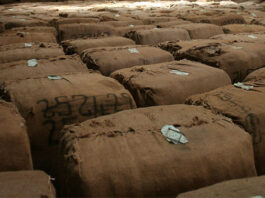
This also means produce might need to be transported further. Additionally, this creates a need for organised marketing and aggregation.
Urbanisation is also changing how people eat. While maize remains a staple in Zimbabwe, there is a growing demand for alternative starches such as rice and potatoes.
The urban population is also known for consuming ultra-processed foods that are ready to eat, but lately, this trend has been changing, with more people increasingly turning to healthier foods, particularly traditional grains.
Recent agricultural production patterns also confirm a strong rise in traditional grain output, especially sorghum and millet, following the 2024/2025 recovery season.
Climate resilience, nutrition campaigns and shifting consumer demand are coming together to create a new opportunity, one that Zimbabwean farmers are well positioned to capture.
Farmers should recognise that urban demand is no longer just about maize and vegetables; it is diversifying.
Traditional grains, indigenous vegetables, legumes, herbs, spices and healthy alternatives are becoming central to the urban diet.
As the rural-urban distance stretches, food or produce will need to move longer distances.
For the smallholder tomato farmer in Mutoko, travelling to Harare with crates of tomatoes might not make sense, and this is where the power of aggregation comes into play.
Selling individually from the homestead only makes sense if the market comes to you.
Urban consumers need consistency, quality and reliability. They expect produce to be graded, well packaged, fresh or properly dried and available in the right quantities.
Aggregation reduces costs, improves bargaining power and opens access to urban markets and institutional buyers. It also allows farmers to meet the growing demand from supermarkets, processors, restaurants, millers and exporters.
To support farmers in this rapidly changing environment, the Agricultural Marketing Authority(AMA) is developing a major digital innovation: the Agricultural Information Repository System (AIRS).
This is an ambitious, sector-wide platform designed to modernise how information flows across Zimbabwe’s agricultural value chains.
AIRS is aimed at becoming the central national repository for agricultural data, built in collaboration with farmers, regulators, agri-businesses, development partners, processors and input suppliers. This system will ensure that all decisions in the agriculture sector are based on verifiable data.
To turn these demographic and dietary shifts into opportunity, farmers can take the following practical steps:
1. Know your market
Before planting, think not about your field but your consumer.
Who will buy your product? A health-conscious youth in Harare? A family in Bulawayo? A diabetic pensioner seeking healthier grain options?
Understanding your end market changes how you grow, what you grow and how you present it.
2. Diversify intelligently
A modern cropping strategy should combine:
· Staple grains (maize, wheat)
Traditional grains (sorghum, millet, rapoko)
High-value horticulture (vegetables, herbs, fruits)
Legumes (cowpeas, groundnuts, sugar beans)
This portfolio reduces climate risk and broadens income channels.
3. Embrace aggregation
Join your nearest farmer group, cooperative or village business unit. Aggregation unlocks:
Better prices
Lower transport costs
Access to large urban buyers
Entry into supermarkets and export channels
4. Prioritise quality
Quality sells.
The following simple steps can improve marketability: grading, sorting, proper drying, clean packaging and timely delivery.
5. Stay informed
Markets shift fast. Prices fluctuate. Weather patterns change. Consumer preferences evolve. Continuously invest in learning the market to understand how best to meet its demands.
Urbanisation and shifting diets are not threats; they are signals. They indicate that Zimbabwe’s food demand is changing, and those who adapt early will lead tomorrow’s markets.
Farmers who think beyond the field, embrace aggregation, diversify their crops and align with health-conscious consumers will capture opportunities others overlook.
AMA stands ready to support this transition, helping farmers become not just producers, but market-driven entrepreneurs supplying a growing and evolving nation.
Tina Nleya is AMA’s marketing and public relations manager. She can be contacted on email: tnleya@ama.co.zw. Word From The Market is a column produced by AMA to promote market-driven production.